Jury quits over Russia and Israel leading to Golden Lion cancellation at the Venice Biennale.
- Jury resigned over ICC arrest warrants for Putin and Netanyahu
- Golden Lion awards canceled for first time in Biennale history
- Russia and Israel included despite ICC charges
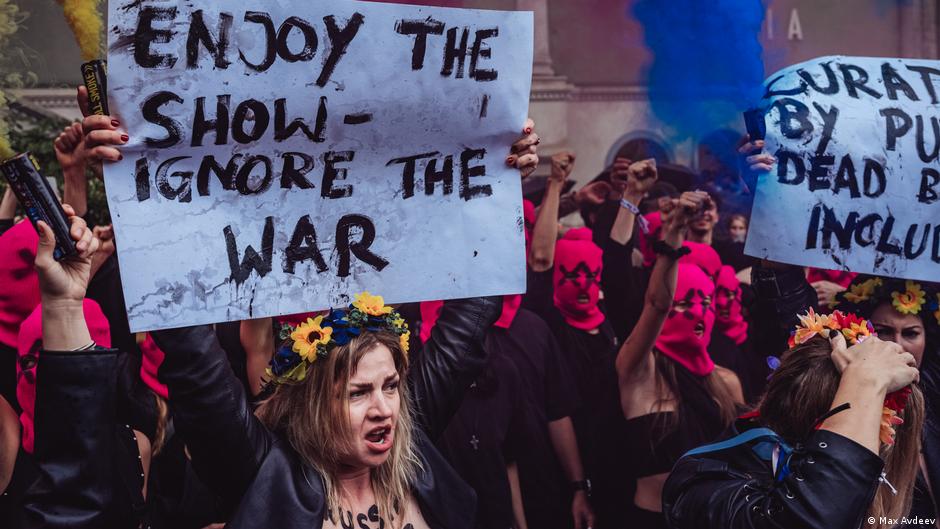
The Venice Art Biennale, often called the Olympics of the art world, scrapped its headline awards just days before it opened Friday. For the first time in its 129-year history, the Biennale won’t hand out the Golden Lion or Silver Lion prizes at its opening ceremony on May 9 after the five-member jury walked out, citing ethical objections to including artists from countries whose leaders face International Criminal Court warrants. The jury said in a statement it would not consider entries from nations led by figures charged with war crimes, which directly affected Russia and Israel. Russian President Vladimir Putin has been under an ICC arrest warrant since 2023 for alleged war crimes in Ukraine, and Israeli Prime Minister Benjamin Netanyahu was indicted in 2024 over actions in Gaza. The Biennale’s leadership hasn’t confirmed whether they asked the jury to step down or if the jurors acted on principle. The Biennale opens anyway on May 9, but visitors won’t see the usual fanfare of top prizes handed out on day one. That’s a first for an event that’s launched careers like Marina Abramović’s and Anselm Kiefer’s. The move leaves artists from the disputed countries in limbo. Some had banked on the Golden Lion to boost their international profile; now they’ll have to rely on word of mouth and media coverage instead. The Biennale’s director, Adriano Pedrosa, called the cancellation a ‘temporary suspension’ of the awards, but didn’t say when—or if—they’d return. That uncertainty hangs over the show like a storm cloud. ## Russia and Israel dominate the controversy Russia’s inclusion drew fierce protests. Ukrainian feminist group FEMEN teamed up with Russian protest collective Pussy Riot to stage a noisy demonstration outside the Russian pavilion on opening day. They unfurled banners reading ‘No culture under Putin’ and chanted slogans against the war in Ukraine. The group also targeted Italy’s government for allowing the pavilion to stay open, arguing that hosting Russian artists amounted to normalizing a regime accused of atrocities. Israel’s presence sparked its own backlash. Protesters outside the Israeli pavilion held signs accusing the Biennale of ‘whitewashing’ Netanyahu’s government amid the Gaza war. Inside, some artists distanced themselves from official state narratives by focusing their work on civilian suffering rather than political slogans. The Biennale’s curators tried to thread a needle: they kept both countries in the exhibition but stripped their entries of any state funding or branding. That compromise satisfied no one, leading to the jury’s walkout. ## The jury’s ethical stand splits opinions The five jurors—all respected art-world figures including curators and critics—said they couldn’t in good conscience award prizes while Putin and Netanyahu remain under ICC indictment. Their resignation followed weeks of private appeals to Biennale officials to exclude the two countries entirely. When those requests were refused, the jurors quit publicly, arguing that art prizes shouldn’t be awarded in a vacuum. Critics call their move hypocritical. If the Biennale bans countries based on their leaders’ legal troubles, why not exclude others with controversial regimes? Saudi Arabia, Iran, and China also have troubling human rights records, yet their artists are exhibiting without fuss. Supporters say the jury made the right call in spotlighting the ICC warrants as a moral line in the sand. They point out that the Biennale has a history of using its platform for activism, from apartheid-era South Africa to Pinochet’s Chile. ## What happens next? The Biennale runs until November 24, and the absence of the Golden Lion won’t stop the show. Visitors will still see over 300 artists from 90 countries, including new commissions from heavyweights like Yael Bartana and Arthur Jafa. But the missing prizes leave a gap at the heart of the event. Biennale officials say they’re reviewing the awards process, but no timeline has been set. Artists already on site are scrambling to adjust. Some may pivot to guerrilla tactics, like staging unannounced performances or distributing provocative flyers to draw attention. Others will hope the controversy fades, letting their work stand on its own. For now, the Biennale is open, messy, and very much alive. Whether it can reclaim its reputation as the art world’s most prestigious stage remains to be seen. The drama might even draw bigger crowds, curious to see what happens when art, politics, and principle collide.
What You Need to Know
- Source: Deutsche Welle
- Published: May 06, 2026 at 12:52 UTC
- Category: World
- Topics: #europe · #world-news · #war · #conflict · #venice-biennale
Read the Full Story
This is a curated summary. For the complete article, original data, quotes and full analysis:
All reporting rights belong to the respective author(s) at Deutsche Welle. GlobalBR News summarizes publicly available content to help readers discover the most relevant global news.
Curated by GlobalBR News · May 06, 2026
Related Articles
- Czech beer consumption drops sharply as young drink less
- 🎉 500 Articles in World!
- 🎉 250 Articles in World!
🇧🇷 Resumo em Português
A 60ª edição da Bienal de Veneza, um dos eventos artísticos mais prestigiados do mundo, chocou o meio cultural ao cancelar pela primeira vez em sua história os prêmios mais importantes da mostra, os Leões de Ouro, após a renúncia da comissão julgadora em protesto contra a participação da Rússia e de Israel. A decisão, inédita e polêmica, expôs as tensões geopolíticas que permeiam até mesmo o universo das artes, transformando a tradicional celebração da cultura em um palco de disputas simbólicas que ecoam globalmente.
O boicote aos prêmios reacendeu debates sobre o papel da arte como ferramenta de resistência ou, ao contrário, como espaço de legitimação de regimes contestados. Para o Brasil, que historicamente utiliza eventos como a Bienal como vitrine internacional — seja na arquitetura, na performance ou nas artes visuais —, a polêmica serve como um alerta sobre os riscos de a cultura virar moeda de troca em conflitos externos. Além disso, levanta questões éticas: como equilibrar a liberdade artística com a responsabilidade de não endossar governos cujas ações violam direitos humanos ou o direito internacional? A ausência de premiações nesta edição pode, paradoxalmente, reforçar a visibilidade dos artistas excluídos dos holofotes oficiais, mas também corre o risco de esvaziar o evento de seu prestígio tradicional.
Enquanto a organização da Bienal de Veneza tenta reverter o dano à sua imagem, a decisão joga luz sobre um dilema crescente: até que ponto a arte deve — ou pode — se manter neutra em tempos de guerra? O vazio deixado pelos Leões de Ouro pode ser o sinal de que, no futuro, os prêmios serão repensados, ou que a própria Bienal precisará se reinventar para sobreviver à sombra das armas.
🇪🇸 Resumen en Español
La Bienal de Venecia ha suspendido la entrega de sus prestigiosos premios León de Oro en esta edición, un gesto sin precedentes que refleja la creciente tensión geopolítica en el mundo del arte.
La decisión, impulsada por la renuncia de los miembros del jurado, surge como protesta por la participación de Rusia e Israel en el evento, países cuyos conflictos armados —especialmente la invasión a Ucrania y la guerra en Gaza— han generado un intenso debate sobre el papel del arte como herramienta de neutralidad o de toma de postura. Para los hispanohablantes, este episodio subraya cómo el arte contemporáneo se ha convertido en un escenario más de las disputas globales, donde la cultura choca con la política, y donde la voz de los artistas y las instituciones se debate entre la censura y la libertad creativa. La ausencia de estos galardones no solo resalta la fragilidad de los consensos internacionales, sino que también plantea preguntas incómodas: ¿debe el arte permanecer al margen de los conflictos o, por el contrario, asumir un compromiso moral con su tiempo?
Deutsche Welle
Read full article at Deutsche Welle →This post is a curated summary. All rights belong to the original author(s) and Deutsche Welle.
Was this article helpful?

Discussion