Ebola kills 65 in DR Congo’s Ituri province as Uganda reports cases tied to Bundibugyo strain.
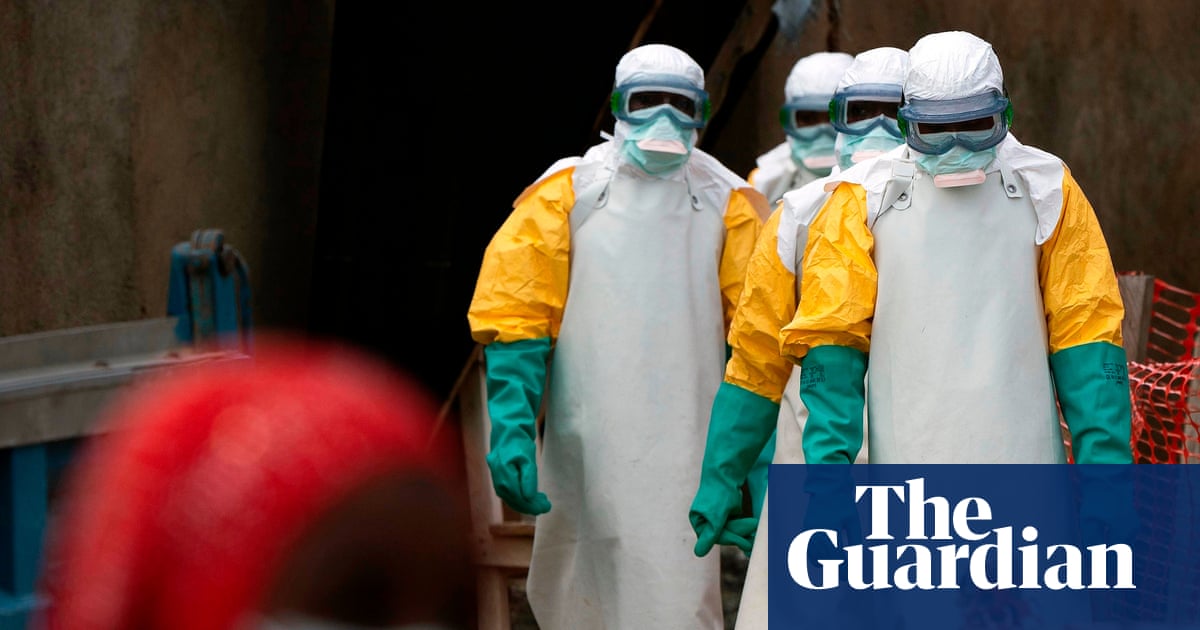
- Ebola kills 65 in DR Congo’s Ituri province
- 246 suspected cases reported in conflict-hit region
- Uganda confirms Ebola cases near DR Congo border
Health officials confirmed 65 deaths and 246 suspected cases of Ebola in Ituri province, eastern Democratic Republic of the Congo (DRC), as of [date]. The outbreak, linked to the Bundibugyo strain, has raised concerns about regional spread after neighboring Uganda reported cases along their shared border. DR Congo health authorities stated the outbreak remains contained but warned of high risk due to ongoing conflict and population displacement in Ituri and North Kivu provinces. The World Health Organization (WHO) has deployed rapid response teams to support containment efforts, including contact tracing and vaccination campaigns using the approved Ervebo vaccine. The DRC’s previous Ebola outbreaks have primarily stemmed from the Zaire strain, making the Bundibugyo strain’s appearance particularly notable. ## Ebola’s progression in eastern DRC Eastern DRC has faced recurrent Ebola outbreaks since 2018, with the most severe claiming over 2,200 lives between 2018 and 2020. Ituri province, where the current outbreak is centered, has been a hotspot due to persistent insecurity and limited healthcare access. The conflict between armed groups and government forces has displaced millions, creating conditions for viral transmission. Health workers report challenges in reaching affected communities due to roadblocks and violence, delaying critical interventions. The Bundibugyo strain, first identified in Uganda in 2007, has a lower fatality rate than the Zaire strain but remains highly contagious. ## Uganda’s response and regional risks Uganda’s Ministry of Health confirmed [date] that two cases linked to the Bundibugyo strain were detected in [district name], near the DRC border. Authorities have initiated quarantine measures and surveillance in border districts, including Bwamba and Bundibugyo. The WHO and Africa CDC are coordinating cross-border health responses to prevent further spread. Uganda’s last Ebola outbreak in 2022, which killed 56, was also caused by the Sudan strain, highlighting the virus’s unpredictable nature in the region. ## Global health concerns The simultaneous outbreaks in DRC and Uganda underscore the persistent threat of Ebola in Central Africa. The WHO has classified the risk as ‘high’ for neighboring countries, including Rwanda and South Sudan, due to porous borders and frequent cross-border movement. Travel advisories have been issued for the affected areas, with screening measures reinforced at major border crossings. Public health experts warn that delayed responses and vaccine hesitancy could exacerbate the outbreaks, as seen in past DRC crises. The current situation follows a 2023 declaration by the WHO that Ebola no longer constitutes a global health emergency, though regional risks remain. Health officials urge immediate reporting of symptoms—fever, vomiting, and bleeding—to prevent further transmission. ## What happens next Regional health authorities have activated emergency operation centers in both DRC and Uganda to coordinate response efforts. The WHO has prioritized the deployment of additional medical supplies and personnel to affected areas, with a focus on high-risk communities. Vaccination campaigns targeting frontline workers and contacts of confirmed cases are underway. Long-term measures include community engagement to address misinformation and improve trust in health services. The DRC government has also requested international support to address gaps in healthcare infrastructure, particularly in conflict zones. Experts emphasize the need for sustained funding and political commitment to curb future outbreaks.
What You Need to Know
- Source: The Guardian
- Published: May 15, 2026 at 18:22 UTC
- Category: World
- Topics: #guardian · #world-news · #international · #politics · #usa · #democrats
Read the Full Story
This is a curated summary. For the complete article, original data, quotes and full analysis:
All reporting rights belong to the respective author(s) at The Guardian. GlobalBR News summarizes publicly available content to help readers discover the most relevant global news.
Curated by GlobalBR News · May 15, 2026
Related Articles
- Zimbabwe’s diaspora reshapes real estate and farming investment trends
- 🎉 250 Articles in World!
- Eurovision 2024 faces scrutiny over Israel’s participation amid war
🇧🇷 Resumo em Português
O surto de Ebola na República Democrática do Congo (RDC) já ceifou 65 vidas e agora ameaça se espalhar para Uganda, país vizinho onde foram confirmados casos da doença. A situação se agrava com o surgimento de 246 infecções, todas ligadas à cepa Bundibugyo, uma variante menos comum, mas igualmente letal do vírus.
Embora o Brasil não esteja diretamente afetado, a notícia reacende alertas globais sobre a fragilidade dos sistemas de saúde em regiões de conflito, como o leste da RDC, onde a instabilidade política e a falta de infraestrutura facilitam a propagação de doenças. Para os falantes de português, o caso serve como lembrete da importância da vigilância epidemiológica e da cooperação internacional, especialmente em um mundo cada vez mais interconectado por viagens e migrações. A Organização Mundial da Saúde (OMS) já trabalha em parceria com os governos locais para conter o avanço do surto, mas o risco de disseminação permanece alto diante da mobilidade populacional na região.
A próxima semana será decisiva: autoridades sanitárias monitoram de perto a fronteira entre Uganda e RDC, enquanto equipes médicas se preparam para um possível cenário de emergência regional.
🇪🇸 Resumen en Español
El brote de ébola en la República Democrática del Congo ha dejado ya 65 muertos, mientras Uganda confirma casos de la enfermedad, intensificando la alerta sanitaria en África Central.
La situación se agrava en una región marcada por conflictos armados, donde la cepa Bundibugyo del virus ha provocado un aumento de contagios, con 246 casos registrados. Las autoridades sanitarias advierten sobre el riesgo de propagación transfronteriza, especialmente en zonas con sistemas de salud frágiles y movilidad constante entre países. Para los hispanohablantes, este escenario subraya la importancia de la vigilancia epidemiológica global y la necesidad de cooperación internacional para contener brotes que pueden extenderse más allá de sus focos iniciales.
The Guardian
Read full article at The Guardian →This post is a curated summary. All rights belong to the original author(s) and The Guardian.
Was this article helpful?



Discussion