Uncommon Ebola strain kills 65, infects 246 in Congo and Uganda with rare spillover to Kampala.
- Deadly Ebola strain kills 65 in Congo and Uganda
- Outbreak ranks 10th largest ever with 246 suspected cases
- Rare strain confirmed, unlike previous Congo outbreaks
The Africa Centres for Disease Control and Prevention Africa CDC confirmed a new Ebola outbreak Friday in Ituri province, northeastern Democratic Republic of the Congo DRC. Within days, Uganda reported its first imported case in Kampala, the capital. The strain driving this outbreak isn’t the usual Zaire ebolavirus. Preliminary lab results suggest it’s the less common Bundibugyo ebolavirus, which has only caused a handful of outbreaks since it was identified in Uganda in 2007. This makes it the first major Bundibugyo outbreak in Congo, raising concerns about how the virus jumped between species and borders so quickly.
So far, the DRC has recorded 246 suspected infections and 65 deaths, mostly in Mongwalu and Rwampara health zones near the Ugandan border. The outbreak’s size already puts it among the top 10 largest Ebola epidemics on record globally. This is Congo’s 17th Ebola outbreak since the virus was discovered in 1976, but it’s only the second time Bundibugyo has surfaced in the country. The last major Bundibugyo outbreak was in Uganda in 2012, killing 37 people. The current strain appears to spread faster and cause more severe symptoms, which is why health officials are racing to contain it before it spreads further.
Officials say the outbreak likely started in early August but went unreported for weeks. Local health workers first noticed clusters of unexplained hemorrhagic fever cases in Ituri, a province still recovering from years of armed conflict. The region’s porous borders and weak health infrastructure make tracking and containment especially difficult. When the virus slipped into Uganda, health authorities in Kampala confirmed a single imported case—a traveler who crossed from Congo and later died in a Kampala hospital. Uganda has now activated emergency response teams and set up screening at major entry points, including Entebbe International Airport.
Why this outbreak is different
The Bundibugyo strain behaves differently from Congo’s usual Zaire ebolavirus, which caused the devastating 2018–2020 epidemic that killed over 2,200 people. Bundibugyo has a lower fatality rate in lab studies—around 30 to 50% compared to Zaire’s 70%—but it’s harder to detect early because symptoms like fever and vomiting overlap with malaria and other tropical diseases. That delay in diagnosis can let the virus spread silently through communities before health teams realize what they’re dealing with.
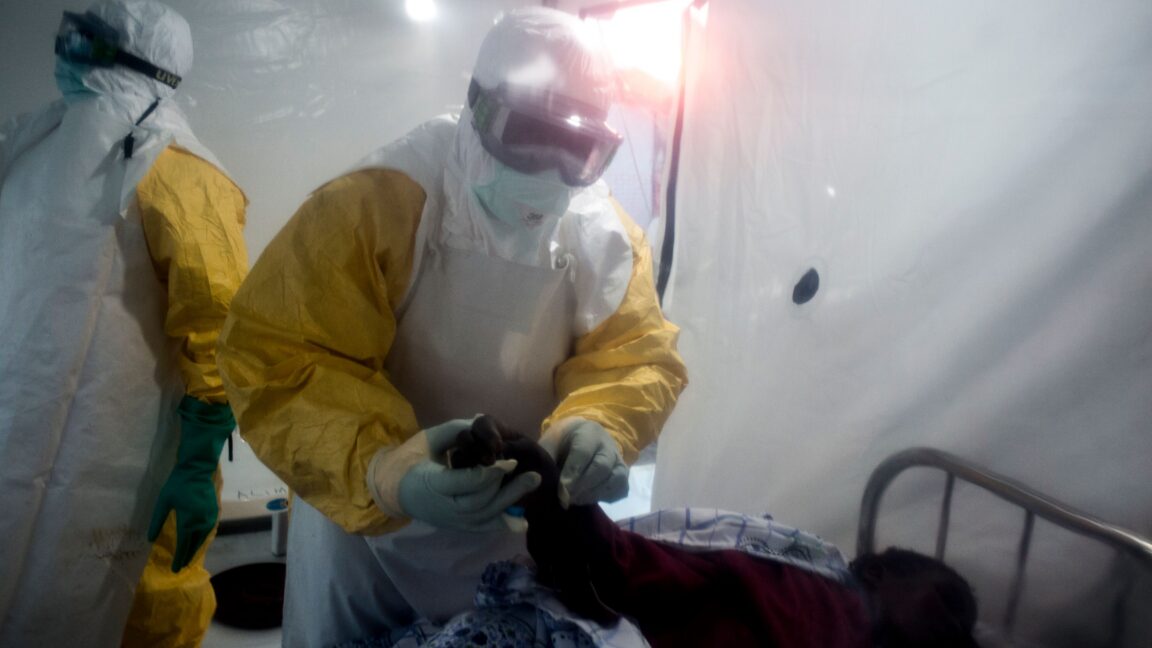
Congo’s health ministry has deployed rapid response teams with protective gear and testing kits to Mongwalu and Rwampara. They’re tracing contacts, isolating patients, and setting up mobile labs to speed up diagnoses. The World Health Organization WHO has sent experts to support the effort, but funding gaps and logistical hurdles—like poor roads and ongoing violence—are slowing the response. Neighboring countries like Rwanda and South Sudan are on high alert, monitoring their borders and preparing isolation wards.
What happens next
If this outbreak isn’t controlled quickly, it could spiral into a regional crisis. Bundibugyo has never spread widely outside Uganda before, so scientists are watching closely to see if it’s gaining new traits that make it more transmissible. The Africa CDC has already held emergency meetings with Congo, Uganda, and neighboring nations to coordinate a joint response. Vaccines exist for Zaire ebolavirus but aren’t approved for Bundibugyo, though experimental shots could be fast-tracked if needed.
For now, the priority is stopping transmission at the source. Health workers are urging people in affected areas to avoid bushmeat, use clean water, and report any fever or bleeding immediately. The longer this goes unchecked, the harder it becomes to contain. With Congo’s history of Ebola outbreaks and Uganda’s recent experience with imported cases, the stakes couldn’t be higher.
What You Need to Know
- Source: Ars Technica
- Published: May 15, 2026 at 18:51 UTC
- Category: Technology
- Topics: #arstechnica · #tech · #science · #politics · #usa · #democrats
Read the Full Story
This is a curated summary. For the complete article, original data, quotes and full analysis:
All reporting rights belong to the respective author(s) at Ars Technica. GlobalBR News summarizes publicly available content to help readers discover the most relevant global news.
Curated by GlobalBR News · May 15, 2026
🇧🇷 Resumo em Português
O mundo volta a se assustar com o ressurgimento do Ebola, mas agora com uma variante incomum que já fez 65 vítimas fatais e infectou 246 pessoas entre a República Democrática do Congo e Uganda. A notícia acende um alerta global não só pela letalidade do vírus, mas pela ameaça de uma disseminação rápida e fora do radar, justamente em uma região africana marcada por conflitos e fragilidade nos sistemas de saúde.
A epidemia, causada por uma cepa rara do Ebola, chega em um momento crítico para a saúde pública no continente africano, onde a infraestrutura médica ainda luta para se recuperar de crises anteriores, como a pandemia de Covid-19 e surtos recentes de cólera e sarampo. Para o Brasil, embora a distância geográfica reduza o risco imediato de importação de casos, a situação serve como um lembrete da importância da vigilância epidemiológica internacional e da necessidade de manter equipes preparadas para identificar e conter possíveis ameaças antes que se tornem crises globais. Especialistas brasileiros já começam a avaliar protocolos de fronteira e capacitação de laboratórios para evitar surpresas.
A Organização Mundial da Saúde (OMS) deve se reunir em caráter de urgência nos próximos dias para discutir medidas de contenção e possíveis campanhas de vacinação, enquanto os governos da região intensificam o rastreamento de contatos e a distribuição de insumos médicos essenciais.
🇪🇸 Resumen en Español
La reciente epidemia de ébola en República Democrática del Congo y Uganda desata la alarma por una cepa poco común que ya ha cobrado 65 vidas y deja 246 infectados. Las autoridades sanitarias trabajan contra reloj para contener una enfermedad que, aunque menos letal que variantes conocidas, exige máxima vigilancia.
Aunque el ébola suele asociarse a brotes en África Central, la detección de esta variante —menos agresiva pero igualmente contagiosa— subraya la fragilidad de los sistemas de alerta temprana en la región. Para los hispanohablantes, el riesgo es indirecto, pero recuerda la necesidad de cooperación global en salud pública, especialmente en zonas donde el turismo y el comercio pueden acelerar la propagación. La OMS ya moviliza recursos, pero la clave estará en evitar el pánico desinformado.
Ars Technica
Read full article at Ars Technica →This post is a curated summary. All rights belong to the original author(s) and Ars Technica.
Was this article helpful?


Discussion