SOUTHCOM launches Autonomous Warfare Command using drones and AI for strategic operations against cartels and regional threats.
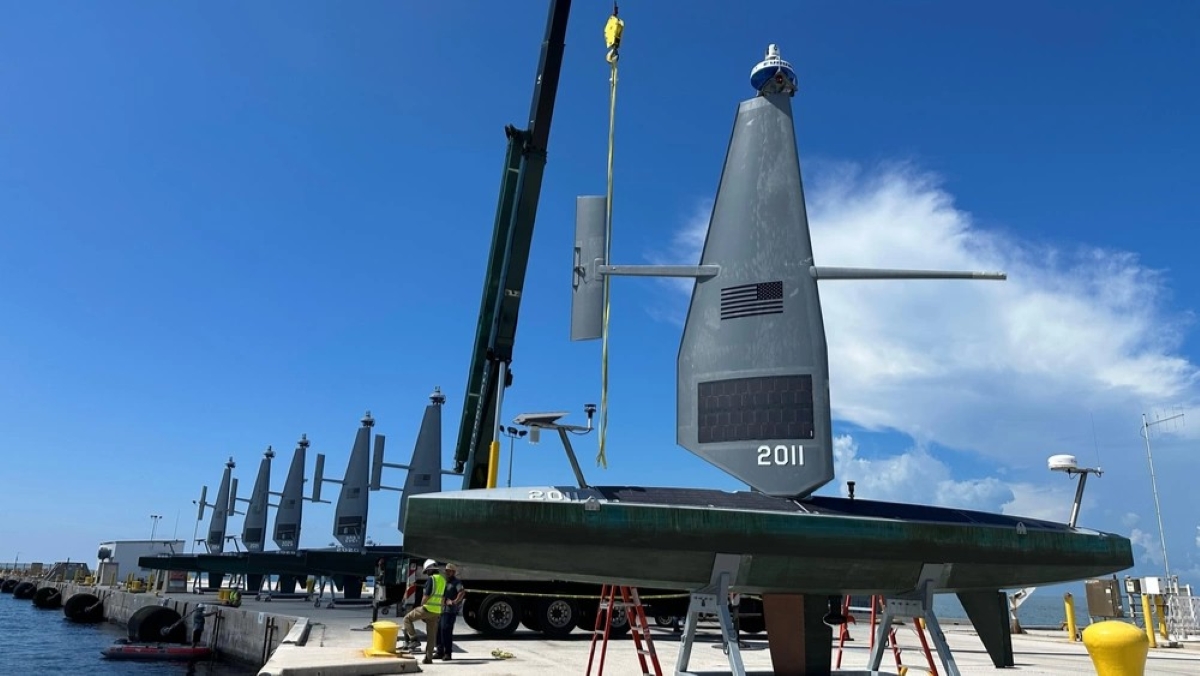
- SOUTHCOM activates Autonomous Warfare Command for Western Hemisphere ops
- Command shifts drones from tactical tests to strategic use
- Drones and AI target cartel networks labeled as terrorists
U.S. Southern Command SOUTHCOM has launched a new Autonomous Warfare Command, marking a shift from experimental drone use to full integration of autonomous systems in strategic operations. Speaking with War on the Rocks, Gen. Frank Donovan, SOUTHCOM commander, outlined the command’s vision: disrupting cartel networks designated as terrorist organizations, deepening partnerships with allies, and expanding the command’s ability to detect, decide, and respond across a volatile region.
The new command represents SOUTHCOM’s push to move beyond small-scale drone trials toward systems capable of coordinated, large-scale impact. Donovan emphasized the need for autonomous technologies to support real-time decision-making in environments where traditional manned operations face limitations. By embedding AI-driven surveillance and strike capabilities, the command aims to counter threats such as drug trafficking, human smuggling, and insurgent movements that destabilize partner nations.
SOUTHCOM’s strategic shift: From drones to decisive action
SOUTHCOM’s move reflects broader U.S. military trends in integrating autonomy into high-risk missions. Unlike earlier trials focused on intelligence gathering, the Autonomous Warfare Command will deploy systems capable of autonomous or semi-autonomous operations in contested areas. This includes real-time tracking of cartel movements, precision strikes against high-value targets, and persistent monitoring of porous borders where smuggling networks thrive.
Allied cooperation is central to the strategy. SOUTHCOM will work with regional militaries and law enforcement agencies to share data, coordinate responses, and build interoperable systems. Donovan highlighted the command’s role in bridging gaps between U.S. capabilities and partner needs, particularly in Central America and the Caribbean, where state authority often weakens.
Technology meets terrain: How drones and AI will reshape operations
The Western Hemisphere’s geography—dense jungles, vast coastlines, and urban sprawl—presents unique challenges. SOUTHCOM’s new command will leverage drones equipped with AI for target recognition, adaptive routing, and swarm coordination. These systems are expected to reduce risks to troops, improve response times, and provide persistent coverage over remote areas where cartel presence is strong.
Critics warn of risks in autonomy, including misidentification of targets and escalation in civilian-heavy zones. SOUTHCOM officials assert that human oversight will remain embedded in all operations, with strict rules of engagement governing autonomous engagements. The command’s rollout follows successful drone-based counter-narcotics missions, which have already disrupted key trafficking routes.
What happens next
The Autonomous Warfare Command will begin phased deployment this year, starting with surveillance and reconnaissance missions. Over the next 18 months, SOUTHCOM plans to expand into strike and interdiction roles, contingent on partner approval and technological validation. The initiative could set a precedent for other U.S. combatant commands facing similar transnational threats.
For Donovan, the goal is clear: turn autonomous systems from experimental tools into decisive instruments of security. “We’re not just watching threats anymore,” he said. “We’re acting on them.” The command’s success will depend on technological reliability, ethical safeguards, and sustained regional buy-in—a test case for AI’s role in modern warfare.
What You Need to Know
- Source: War on the Rocks
- Published: May 12, 2026 at 17:40 UTC
- Category: War
- Topics: #defense · #military · #geopolitics · #war · #conflict · #command-herald
Read the Full Story
This is a curated summary. For the complete article, original data, quotes and full analysis:
All reporting rights belong to the respective author(s) at War on the Rocks. GlobalBR News summarizes publicly available content to help readers discover the most relevant global news.
Curated by GlobalBR News · May 12, 2026
Related Articles
🇧🇷 Resumo em Português
O Comando Sul dos EUA acelera a militarização da América Latina com a criação de uma unidade autônoma de guerra, apostando em drones e inteligência artificial para combater redes criminosas e ameaças assimétricas — um movimento que redefine o papel das forças armadas na região e acende alertas sobre soberania e direitos humanos.
A decisão do SOUTHCOM, anunciada pelo general Laura F., reflete uma estratégia cada vez mais agressiva dos Estados Unidos no enfrentamento ao narcotráfico, migrações irregulares e grupos armados não estatais, mas também levanta questionamentos sobre a escalada de conflitos sem precedentes no continente. Para o Brasil, parceiro-chave na América do Sul, o avanço dessa tecnologia bélica pode significar uma pressão adicional para alinhamento com Washington, além de riscos de violações territoriais ou de privacidade em operações transfronteiriças. Especialistas alertam que a autonomia de sistemas de armas — sem controle humano direto — pode normalizar conflitos automatizados, um cenário até então restrito a cenários de guerra convencional.
A iniciativa deve ser debatida em fóruns regionais como a Celac e a OEA, enquanto organizações de defesa dos direitos humanos já prometem fiscalizar possíveis abusos.
🇪🇸 Resumen en Español
El Mando de Operaciones Autónomas de SOUTHCOM marca un giro radical en la estrategia militar de EE.UU. en América Latina. Con el despliegue de drones y sistemas de inteligencia artificial, Washington refuerza su capacidad para combatir redes criminales transnacionales sin poner en riesgo tropas en terreno hostil.
Este nuevo enfoque refleja la creciente militarización de la lucha contra el narcotráfico en la región, donde Washington prioriza soluciones tecnológicas para evitar bajas propias y reducir costes políticos. Para los países hispanohablantes, especialmente aquellos con presencia de carteles, la iniciativa plantea interrogantes sobre soberanía y el riesgo de que las operaciones autónomas traspasen fronteras sin control local, además de normalizar el uso de armamento no tripulado en conflictos asimétricos.
War on the Rocks
Read full article at War on the Rocks →This post is a curated summary. All rights belong to the original author(s) and War on the Rocks.
Was this article helpful?


Discussion