UK Covid inquiry calls vaccine rollout an 'extraordinary feat' in its fourth report examining pandemic response.
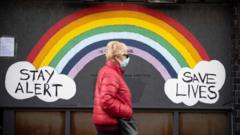
- UK inquiry praises vaccine rollout as 'extraordinary feat' in fourth report
- Public probe examines pandemic response failures and successes
- Led by Lady Heather Hallett, the inquiry seeks lessons for future crises
The UK’s public inquiry into the Covid-19 pandemic released its fourth report Tuesday, highlighting the vaccine rollout as a rare success amid widespread criticism of the government’s handling of the crisis. The probe, led by retired judge Lady Heather Hallett, is examining decisions made during the pandemic to determine what went wrong and how future responses can improve.
The inquiry’s latest findings commended the rapid deployment of vaccines as an ‘extraordinary feat,’ noting that over 150 million doses were administered in the UK by early 2022. The rollout began in December 2020, just months after the virus was declared a global pandemic. Despite early supply delays and logistical challenges, health officials prioritized vulnerable groups, achieving one of the highest vaccination rates in Europe.
How the UK Covid inquiry works
Established in 2022, the inquiry operates independently of the government, with the power to summon witnesses and request documents. Its seven modules cover topics including lockdowns, testing, and the impact on care homes. The fourth module, which focuses on vaccines, is the first to assess a major success of the pandemic response. Public hearings began in June 2023, with testimonies from scientists, ministers, and health officials.
Lady Hallett’s team has faced criticism for its slow pace, with the final report not expected until 2026. Critics argue delays risk losing critical insights as memories fade and key figures move on. However, supporters say thoroughness is necessary to avoid rushed conclusions that could obscure lessons for future pandemics.
The inquiry’s broader scope includes examining the UK’s preparedness for Covid-19, which was widely criticized after years of warnings about pandemic risks. Reports have already highlighted failures in protective equipment supply chains and delayed lockdown decisions, which contributed to higher death tolls compared to some European neighbors.
What’s next for the inquiry?
The fourth module’s report is just one of several planned, with the fifth and sixth modules set to examine the impact on health services and care homes. The final report, due in 2026, will include recommendations for government and public bodies. Meanwhile, political parties are already debating how the inquiry’s findings might shape future health policies and spending.
Public submissions remain open, allowing individuals and organizations to contribute evidence. The inquiry’s website provides updates on hearings and published reports, ensuring transparency as the process unfolds.
As the inquiry progresses, its findings could influence how the UK—and other nations—prepare for future global health threats. The vaccine rollout’s success, while praised, also raises questions about why other aspects of the response lagged behind.
What You Need to Know
- Source: BBC News
- Published: April 16, 2026 at 11:20 UTC
- Category: Health
- Topics: #bbc · #health · #medicine · #vaccine · #covid · #uk-covid-inquiry
Read the Full Story
This is a curated summary. For the complete article, original data, quotes and full analysis:
All reporting rights belong to the respective author(s) at BBC News. GlobalBR News summarizes publicly available content to help readers discover the most relevant global news.
Curated by GlobalBR News · April 16, 2026
Related Articles
- Midlife fitness boosts lifespan and health by 5+ years study finds
- Why ‘Ballmaxxing’ May Be More Dangerous Than You Think
- Weight Loss Surgeries Decline as GLP-1 Use Skyrockets. Why This Matters
🇧🇷 Resumo em Português
A pandemia de Covid-19 deixou marcas profundas em todo o mundo, mas o Reino Unido decidiu enfrentar o passado de forma transparente, com uma investigação minuciosa sobre suas próprias ações. Agora, o quarto relatório da Comissão de Inquérito Britânica sobre a Covid-19 chega às manchetes ao celebrar a campanha de vacinação como um “feito extraordinário”, um reconhecimento que reforça a importância da ciência na luta contra o vírus.
O inquérito, uma das maiores investigações públicas já realizadas no país, analisa desde decisões políticas até a logística de distribuição de vacinas, passando pelo impacto social e econômico da pandemia. Para o Brasil, país que também enfrentou desafios semelhantes — como a escassez inicial de imunizantes e a desinformação —, o relatório oferece lições valiosas sobre gestão de crises e a necessidade de planejamento em saúde pública. Além disso, a comparação com a realidade britânica pode ajudar a refletir sobre como o Brasil poderia ter otimizado suas próprias estratégias, especialmente em um momento em que novas variantes ainda representam ameaças.
O próximo passo agora é aguardar as recomendações finais do inquérito, que podem influenciar políticas globais de saúde e servir como referência para outros países revisarem suas respostas à pandemia.
🇪🇸 Resumen en Español
La investigación sobre la respuesta británica a la pandemia desvela en su cuarto informe el éxito sin precedentes de la campaña de vacunación, un hito que redefine el manejo de crisis sanitarias globales. El documento, publicado por la comisión independiente, celebra la distribución masiva de vacunas como un logro de coordinación científica y logística sin parangón en la historia reciente.
El informe no solo ensalza la velocidad y eficacia del programa británico —con más del 80% de la población vacunada en menos de un año—, sino que también analiza las sombras del proceso: desde las desigualdades en el acceso a las dosis hasta los fallos iniciales en la adquisición de suministros. Para los hispanohablantes, este caso ofrece lecciones cruciales sobre la importancia de la transparencia en la toma de decisiones, la necesidad de invertir en sistemas sanitarios robustos y la urgencia de cooperación internacional en emergencias globales, aspectos que trascienden fronteras y podrían aplicarse en futuras crisis.
BBC News
Read full article at BBC News →This post is a curated summary. All rights belong to the original author(s) and BBC News.
Was this article helpful?



Discussion