Trump’s $10B IRS lawsuit may end with a $1.7B compensation fund for his supporters.
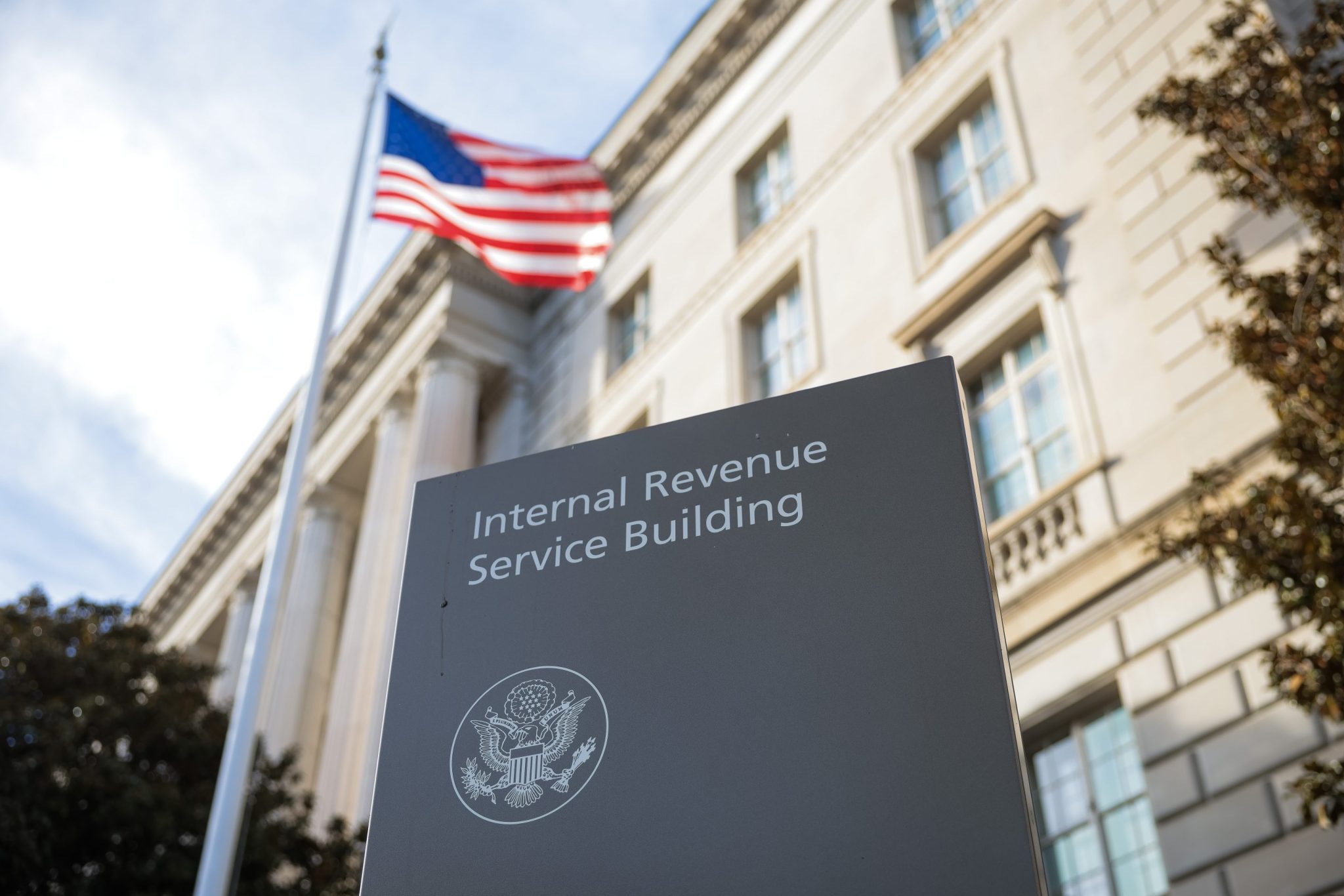
- Trump sues IRS for $10 billion over 2019 tax leak
- Feds discuss $1.7B fund to pay victims of alleged government weaponization
- Million-dollar payouts to Trump supporters may set precedent for fund distribution
Federal officials are weighing the creation of a $1.7 billion fund to compensate victims of alleged government weaponization, including supporters of former President Donald Trump, as part of settlement talks to resolve his $10 billion lawsuit against the Internal Revenue Service. The IRS is accused of leaking Trump’s tax information in 2019, a claim the agency has denied. Sources familiar with the discussions, who spoke on condition of anonymity due to the private nature of the talks, said the fund would follow the model of multimillion-dollar payouts already made to some of Trump’s allies under a separate program administered by the Department of Justice. Donald Trump filed the lawsuit in 2022, seeking damages for what he alleges was politically motivated targeting by federal agencies.
Settlement talks ahead of deadline
The settlement negotiations have intensified as a key deadline in Trump’s lawsuit approaches next week. The IRS has faced multiple allegations of bias against conservatives, including Trump, during his presidency and afterward. The proposed $1.7 billion fund would cover claims from individuals and groups who believe they were targeted for their political views or associations. Officials are also considering dropping ongoing audits into Trump, his family, and his business entities as part of the potential resolution. This approach would mirror past cases where the government has resolved disputes without admitting wrongdoing.
The $1.7 billion figure is nearly triple the amount the Justice Department has paid out since 2021 under its program to compensate victims of alleged government overreach. That program, launched during the Biden administration, has approved payments ranging from hundreds of thousands to millions of dollars to individuals and organizations, including some linked to Trump allies. The IRS has not commented on the discussions but has previously stated that its actions were lawful and unrelated to political considerations.
Trump’s lawsuit argues that the 2019 leak of his tax returns violated federal privacy laws and was part of a broader effort to undermine his political career. The documents were published by ProPublica in June 2020, revealing Trump’s tax payments and financial history. Trump’s legal team has demanded $10 billion in damages, though legal experts say a settlement is more likely given the complexity and political sensitivity of the case. The lawsuit also names several former and current IRS officials as defendants.
Legal and political implications
A settlement could set a precedent for how the federal government addresses allegations of political bias within its agencies. Critics of the IRS have long accused the agency of targeting conservative groups, a claim that gained traction after revelations in 2013 that employees had singled out Tea Party organizations for extra scrutiny. While the IRS has repeatedly denied these allegations, the controversy has fueled bipartisan calls for reform. Proponents of the fund argue it would provide a swift resolution to years of litigation, while opponents warn it could incentivize further lawsuits against the government.
The timing of the discussions adds pressure to the Biden administration, which has faced scrutiny over its handling of the IRS following reports of increased audits of high-income earners, including some affiliated with Trump. The administration has not confirmed whether it supports the fund proposal but has reiterated its commitment to investigating allegations of misconduct within federal agencies. Legal analysts suggest that if the fund is approved, the administration could move quickly to resolve the lawsuit before the deadline, avoiding a protracted legal battle in an election year.
What You Need to Know
- Source: Fortune
- Published: May 16, 2026 at 20:15 UTC
- Category: Business
- Topics: #fortune · #business · #economy · #politics · #government · #trump
Read the Full Story
This is a curated summary. For the complete article, original data, quotes and full analysis:
All reporting rights belong to the respective author(s) at Fortune. GlobalBR News summarizes publicly available content to help readers discover the most relevant global news.
Curated by GlobalBR News · May 16, 2026
Related Articles
- Kevin O’Leary: Gen Z founders working 18-hour days make ‘no sense’
- Lawyers sanctioned $110K for fake AI citations in landmark Oregon case
- Taiwan arms sales top Trump-Xi talks agenda as Xi meet ends
🇧🇷 Resumo em Português
O governo dos Estados Unidos estuda destinar US$ 1,7 bilhão em fundos federais para indenizar vítimas de supostas perseguições por parte da Receita Federal (IRS), como parte de um acordo que pode encerrar a polêmica ação judicial de US$ 10 bilhões movida pelo ex-presidente Donald Trump contra o órgão. A proposta, ainda em análise, busca resolver o caso envolvendo alegadas irregularidades na fiscalização de instituições de caridade ligadas a Trump durante a sua gestão, um escândalo que reacendeu debates sobre abuso de poder por órgãos governamentais nos EUA.
No Brasil, o episódio ganha relevância por expor fragilidades em sistemas de fiscalização tributária e riscos de instrumentalização política de instituições públicas, temas que ecoam em discussões locais sobre transparência e independência de órgãos como a Receita Federal. Além disso, a possibilidade de um acordo bilionário levanta questionamentos sobre a responsabilidade do Estado em casos de perseguição institucional, um debate que pode inspirar reflexões sobre reformas jurídicas em outros países. Para o Brasil, cujo sistema tributário já enfrenta críticas por sua complexidade e falta de equidade, o caso reforça a necessidade de mecanismos de controle e reparação eficazes.
A expectativa agora é pelo desfecho do acordo nos EUA, que poderá definir precedentes para futuras ações judiciais envolvendo perseguição política ou abuso de poder estatal, com possíveis desdobramentos globais.
🇪🇸 Resumen en Español
El Departamento del Tesoro de EE.UU. evalúa destinar 1.700 millones de dólares en fondos federales para compensar a víctimas de un presunto perjuicio fiscal sufrido bajo la administración Trump, en el marco de un acuerdo que podría saldar una demanda de 10.000 millones por filtraciones de información tributaria en 2019.
La posible movilización de estos recursos, que incluirían indemnizaciones a contribuyentes afectados por filtraciones del IRS —incluyendo casos vinculados a figuras controvertidas—, refleja la gravedad de las acusaciones sobre uso político de la agencia tributaria. Para los hispanohablantes, el episodio subraya riesgos de arbitrariedad en sistemas fiscales y la necesidad de transparencia, especialmente en un contexto donde la confianza en las instituciones es clave para el tejido económico. La resolución del caso podría sentar precedentes sobre responsabilidad estatal y reparación a ciudadanos.
Fortune
Read full article at Fortune →This post is a curated summary. All rights belong to the original author(s) and Fortune.
Was this article helpful?


Discussion