Pentagon releases 1,000+ pages of UFO documents with videos, audio and transcripts revealing new details on hovering objects and flashing lights.
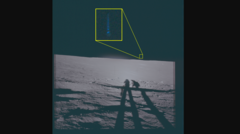
- Pentagon publishes over 1,000 pages of UFO documents
- Files include video clips, audio and interview transcripts
- Documents describe hovering objects and flashing lights
The U.S. government just made over 1,000 previously classified pages of UFO-related documents public. This isn’t some small leak or a single video. The release includes transcripts, audio clips and video footage gathered by military personnel over years. Most of it was already floating around online, but now it’s all in one official package you can actually read. The Pentagon’s All-domain Anomaly Resolution Office (AARO) handled the release. They say this is part of their ongoing effort to be more open about these strange sightings.
What’s actually in these files
The documents don’t contain any bombshell revelations like ‘aliens landed in Nevada.’ Instead, you’ll find a mix of radar data, pilot interviews and grainy night-vision footage. One video shows a dark object hovering in the sky with no visible propulsion. Another clip captures a flashing light that moves in ways pilots say they’ve never seen before. The transcripts read like something out of a sci-fi movie: military personnel describing objects that ‘don’t match any known aircraft.’ Some reports come from Navy pilots who chased these things off the East Coast in 2014 and 2015. They’re not making wild claims—they’re describing what they saw with their own eyes and instruments.
AARO’s director Sean Kirkpatrick, a former NASA scientist who now leads the Pentagon’s UFO office, signed off on the release. He’s been pushing for more transparency since taking the job in 2022. In a statement, he said the documents are meant to help researchers and the public understand what’s already been investigated. Some files date back to the Cold War era, while others are from just a few years ago. The oldest reports come from pilots who spotted strange objects near nuclear missile silos in the 1960s and 70s.
Why this release matters now
This isn’t the first time the government’s released UFO footage. The 2020 New York Times scoop on the Navy’s ‘Tic Tac’ video got everyone’s attention. But this batch is different. It’s not just a few viral clips—it’s a mountain of raw data. Researchers can now cross-reference timestamps, radar pings and pilot statements in ways they couldn’t before. Some skeptics say it’s all misidentified drones or atmospheric phenomena. Others point out that even after decades of investigation, no one’s come up with a solid explanation for what these things are.
The timing of the release isn’t random. Congress passed a law last year requiring the Pentagon to declassify UFO files every two years. This batch is the second drop since that law passed. Lawmakers from both parties have been pushing for more transparency, especially after a Pentagon whistleblower testified in July 2023 about a secret UFO recovery program. That testimony turned up the heat, and now the government’s trying to cool things down by showing it’s not hiding anything.
What happens next
Don’t expect a blockbuster alien confession tomorrow. AARO’s Kirkpatrick has repeatedly said most cases have mundane explanations like drones, weather balloons or sensor glitches. But about 5% of the cases remain unexplained after rigorous investigation. Those are the ones keeping researchers up at night. The Pentagon says it will keep releasing documents every two years. Meanwhile, NASA’s independent UFO study team is wrapping up its own report, which is expected later this year. That report won’t say aliens are real, but it might tell us how seriously the government takes these sightings.
For now, the documents are public. Anyone can download them, analyze them and come to their own conclusions. Some will call it proof of extraterrestrial life. Others will call it a waste of time. But one thing’s clear: the government’s finally giving the public a peek behind the curtain on one of the weirdest mysteries of our time.
What You Need to Know
- Source: BBC News
- Published: May 08, 2026 at 22:04 UTC
- Category: Environment
- Topics: #bbc · #environment · #climate · #war · #usa · #military
Read the Full Story
This is a curated summary. For the complete article, original data, quotes and full analysis:
All reporting rights belong to the respective author(s) at BBC News. GlobalBR News summarizes publicly available content to help readers discover the most relevant global news.
Curated by GlobalBR News · May 08, 2026
🇧🇷 Resumo em Português
O governo dos Estados Unidos acaba de jogar mais lenha na fogueira do mistério dos OVNIs ao liberar centenas de páginas de documentos, incluindo transcrições e vídeos, que prometem reacender o debate sobre a existência de vida extraterrestre e sua possível relação com fenômenos aéreos não identificados. Entre os registros, destacam-se relatos de pilotos militares que descrevem objetos voadores com capacidades tecnológicas muito além do que a humanidade conhece, além de depoimentos de civis que afirmam ter presenciado eventos inexplicáveis no céu.
No Brasil, país que historicamente mantém uma relação curiosa com fenômenos como o da “Luz de Colares” no Pará ou os relatos de OVNIs em cidades como Brasília e São Paulo, a divulgação desses documentos reacende a pergunta: afinal, estamos sozinhos no universo? Para os brasileiros, a questão ganha contornos ainda mais relevantes quando se considera que o país abriga uma das maiores reservas de biodiversidade do mundo, um laboratório natural que, segundo alguns teóricos, poderia abrigar formas de vida ainda desconhecidas. Além disso, a proximidade geográfica e estratégica do Brasil com regiões de grande atividade de avistamentos, como a Amazônia e o Atlântico Sul, coloca o tema em uma perspectiva de segurança nacional e soberania.
Se os documentos dos EUA não comprovam a existência de extraterrestres, eles pelo menos jogam luz sobre a necessidade de investigações mais transparentes e científicas sobre o tema — e, no Brasil, já há sinais de que órgãos como a Aeronáutica e universidades devem intensificar estudos sobre o fenômeno.
BBC News
Read full article at BBC News →This post is a curated summary. All rights belong to the original author(s) and BBC News.
Was this article helpful?


Discussion