SpaceX Dragon delivered 6,200 pounds of science and supplies to the ISS on May 17, 2026.
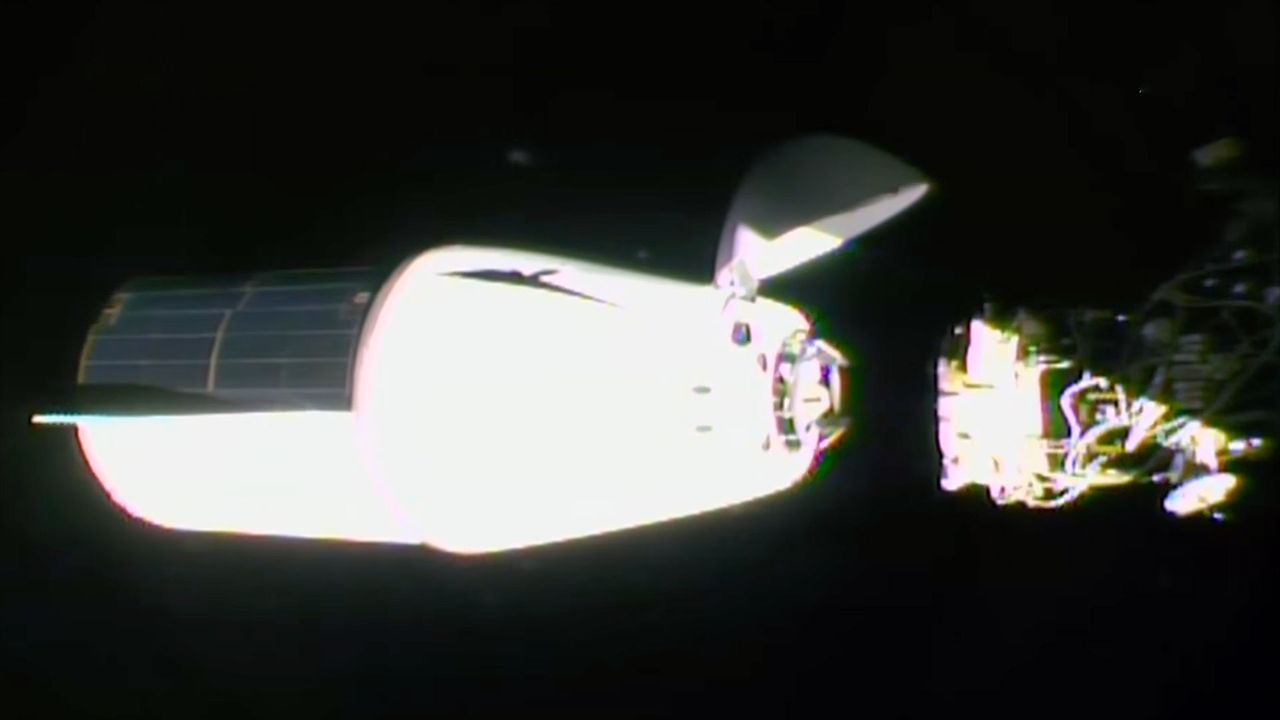
- Dragon docked at the ISS on May 17, 2026, at 7:45 a.m. ET
- Ship carried 6,200 pounds of science experiments and crew supplies
- Uncrewed capsule arrived autonomously for routine resupply mission
A SpaceX Dragon capsule docked at the International Space Station on Sunday, May 17, 2026, bringing fresh supplies and science experiments for the crew. The uncrewed spacecraft arrived at 7:45 a.m. Eastern Time, latching onto the station’s Harmony module without a hitch. This marks SpaceX’s 34th cargo mission under NASA’s Commercial Resupply Services contract, a program that keeps the orbiting lab stocked and research humming since 2012. The Dragon carried 6,200 pounds of gear, including food, spare parts, and 15 new experiments designed to push the boundaries of space science. Among the cargo was equipment for studying how microgravity affects human muscle and bone loss, as well as tools for testing new materials that could shield astronauts from radiation on long missions to the Moon or Mars. The delivery also included fresh clothes, snacks, and even some surprise treats for the crew—though NASA won’t say what’s in the snack department just yet. The capsule launched two days earlier from Kennedy Space Center in Florida, riding a Falcon 9 rocket that landed safely back at Cape Canaveral. NASA confirmed all systems operated normally during the autonomous docking, a routine procedure that’s become almost second nature for the station’s crew after dozens of these arrivals. ## A closer look at the science onboard The Dragon didn’t just bring groceries. It carried 15 new experiments, including a batch of 3D-printed human tissue samples that could help scientists understand how wounds heal in space. Another experiment will test a new type of battery designed to last longer in the harsh conditions outside Earth’s atmosphere. There’s also gear for a project studying how plants grow in microgravity, a key step for future space farms on the Moon or Mars. One of the most exciting payloads is a set of tools for the station’s new ‘space archaeology’ project, which uses lidar scanning to study how human activity leaves marks on Earth from orbit. The experiments will keep the station’s seven-person crew busy for months, with some tasks already queued up for the next spacewalk. NASA’s ground team in Houston monitored the entire process, ready to step in if anything went wrong—but as usual, the automated systems handled it without a glitch. ## Why these supplies matter more than ever The ISS is about to hit its 25th year in orbit, and missions like this keep it running smoothly. Without regular deliveries, the station wouldn’t have the food, water, or equipment needed to support crews for long stretches. This particular Dragon also brought back 3,800 pounds of old experiments and trash, which will burn up harmlessly in Earth’s atmosphere when the capsule returns in about a month. What makes this mission stand out is the focus on future exploration. Many of the experiments are directly tied to NASA’s Artemis program, which aims to return humans to the Moon by 2026. The muscle and bone loss studies, for example, will help doctors figure out how to keep astronauts healthy during long lunar stays. The radiation-shielding materials could also be used in habitats planned for the Moon’s surface. Even the snack selection isn’t random—NASA studies show comfort food boosts crew morale on long missions. The Dragon’s return trip in June will bring back biological samples and hardware, including some equipment that’s been on the station for years. Every ounce of cargo that comes back is precious, whether it’s data, hardware, or even the occasional floating sock that somehow escaped the laundry bin. ## The bigger picture for space logistics This mission is a reminder of how reliant space exploration has become on commercial partners. SpaceX isn’t just ferrying supplies—it’s part of a larger ecosystem that includes Northrop Grumman’s Cygnus and Russia’s Progress spacecraft. Each vehicle plays a role, but Dragon is the only one that can return large amounts of cargo to Earth, making it vital for experiments that need to be analyzed on the ground. The steady rhythm of these missions also keeps the ISS from becoming a ghost town. As NASA shifts focus to lunar and deep-space missions, the station remains a critical testbed for technology that will one day support astronauts on Mars. The next Dragon launch is already scheduled for August, and with it, another batch of supplies and science will head uphill. For now, the crew on the ISS gets a fresh shipment of coffee, a few new experiments to unpack, and the satisfaction of another smooth docking in the books.
What You Need to Know
- Source: Space.com
- Published: May 17, 2026 at 13:53 UTC
- Category: Science
- Topics: #space · #astronomy · #nasa · #science · #dragon · #sunday
Read the Full Story
This is a curated summary. For the complete article, original data, quotes and full analysis:
All reporting rights belong to the respective author(s) at Space.com. GlobalBR News summarizes publicly available content to help readers discover the most relevant global news.
Curated by GlobalBR News · May 17, 2026
Related Articles
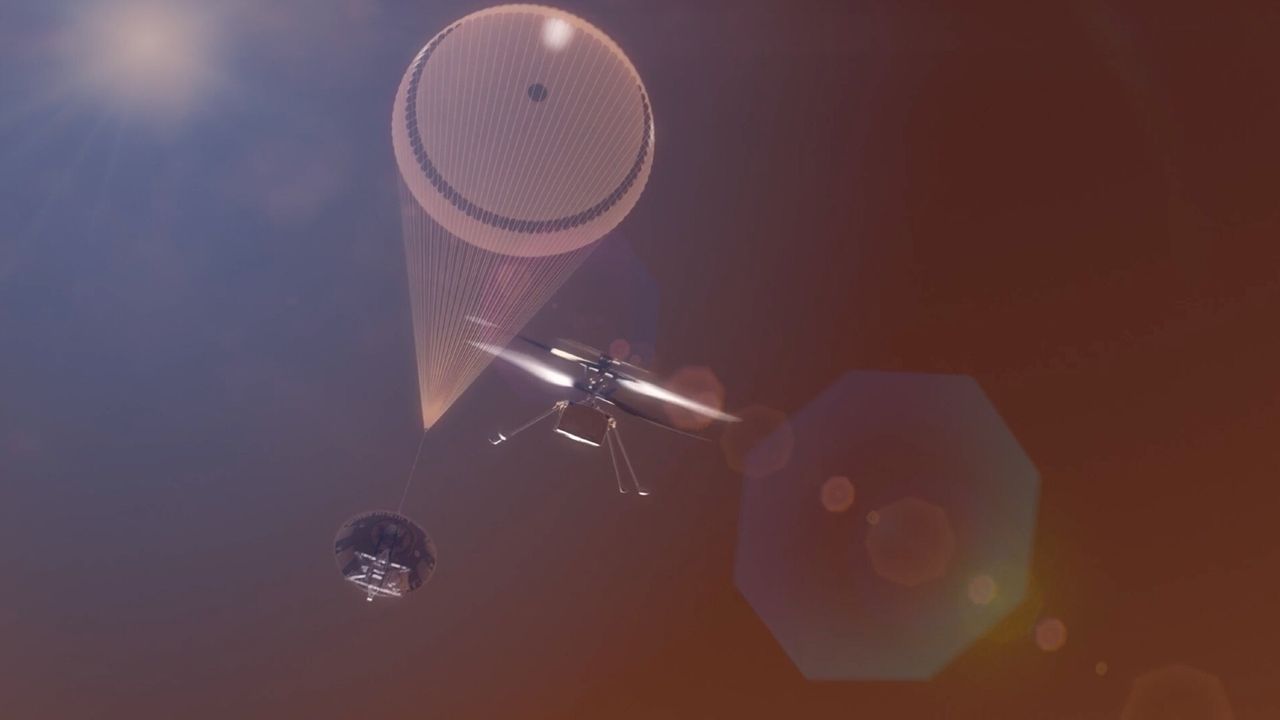
- NASA tests Mars helicopter blades that break the sound barrier
- Live stream asteroid the size of a blue whale passing Earth May 18
🇧🇷 Resumo em Português
A SpaceX inovou mais uma vez ao reabastecer a Estação Espacial Internacional (ISS) com uma carga repleta de experimentos científicos inovadores. Na última segunda-feira, 17 de maio de 2026, a cápsula Dragon atracou no laboratório orbital, levando consigo não apenas suprimentos essenciais, mas também tecnologias que prometem revolucionar pesquisas em microgravidade e saúde no espaço.
O envio da Dragon é fundamental para o Brasil, que participa ativamente de colaborações internacionais no espaço, como os estudos sobre os efeitos da microgravidade no corpo humano — uma área crítica para futuras missões tripuladas. Além disso, experimentos sobre agricultura espacial e novos materiais podem inspirar inovações também no agronegócio e na indústria nacional, setores-chave da economia brasileira. A ISS, que já serviu de base para pesquisas como a do astronauta Marcos Pontes, continua sendo um laboratório valioso para ciência de ponta.
Com a cápsula Dragon já em órbita, a próxima etapa é analisar os resultados dos experimentos, que podem abrir caminho para avanços tanto no espaço quanto na Terra.
🇪🇸 Resumen en Español
El carguero Dragon de SpaceX ha atracado con éxito en la Estación Espacial Internacional, marcando un nuevo hito en la exploración científica fuera de nuestro planeta.
Esta misión, que llega con meses de retraso debido a fallos técnicos en el cohete portador, transporta equipos clave para decenas de experimentos en gravedad cero, desde cultivos celulares hasta pruebas de materiales innovadores. Para España y el resto del mundo hispanohablante, el envío refuerza la colaboración internacional en la investigación espacial, un sector donde nuestro país ya destaca con proyectos como los desarrollados en el laboratorio Columbus. Más allá de la ciencia, el éxito de esta operación subraya la importancia de la tecnología privada en la carrera espacial, abriendo puertas a futuras misiones tripuladas y aplicaciones comerciales que podrían transformar industrias como la farmacéutica o la energética.
Space.com
Read full article at Space.com →This post is a curated summary. All rights belong to the original author(s) and Space.com.
Was this article helpful?


Discussion