Museums worldwide shift focus from objects to people, becoming community hubs beyond traditional exhibits.
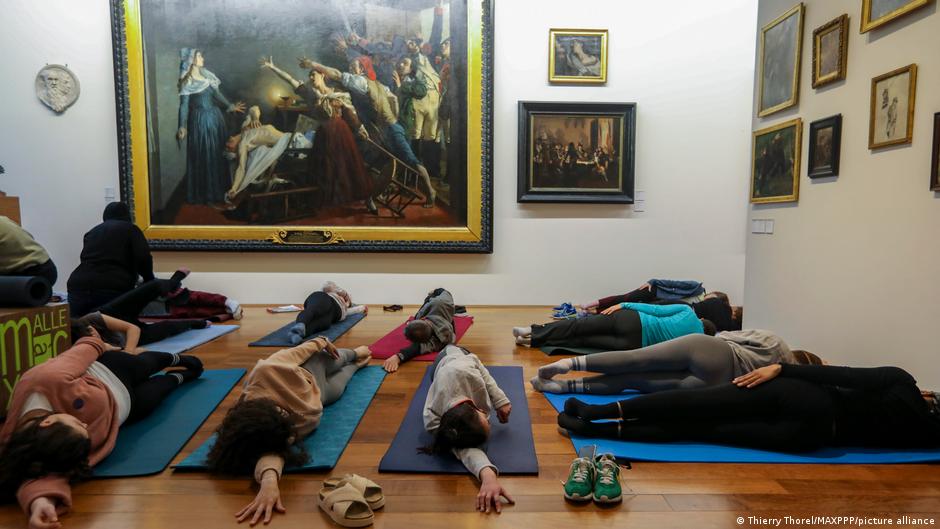
- Museums globally redefine role from storage to community spaces
- New exhibits prioritize visitor participation over static displays
- Technology expands access with digitized collections and VR
Museums are undergoing a fundamental change as they move beyond their traditional role of housing and displaying objects. On International Museum Day 2026, the focus is on how these institutions are transforming into dynamic community spaces that prioritize human connection over static exhibits. The shift reflects a broader societal demand for relevance and accessibility in cultural institutions. Sandro Debono, a museum consultant and academic, told DW that this evolution represents a move toward museums that serve as platforms for participation rather than mere repositories of artifacts. ‘The emphasis has shifted from what is on display to who is in the room,’ Debono said. The transformation aligns with the International Council of Museums’ 2026 theme: ‘Museums for Education and Research.’
From ancient temples to modern tech hubs
The concept of public museums dates back to around 530 BC in the Mesopotamian city of Ur, now modern-day Iraq. The first curator was a priestess princess who oversaw exhibits with informational labels in multiple languages. While early museums functioned as palace complexes, today’s institutions leverage technology to break physical boundaries. Digitized collections, social media platforms, and virtual reality experiences now allow global audiences to interact with artifacts remotely. However, the most significant change goes beyond access—museums are rethinking their core purpose. Institutions from Berlin to Buenos Aires are redesigning spaces to foster dialogue, co-creation, and community-driven initiatives. The Pergamon Museum in Berlin, for example, now hosts workshops where visitors collaborate with artists to reinterpret historical objects.
Participation takes center stage
Modern museums are prioritizing visitor involvement as a core function. The Museum of Modern Art in New York has launched ‘Open Art’ programs where community members curate temporary exhibits based on personal stories. In Tokyo, the Mori Art Museum integrates yoga sessions with contemporary art viewing, blending wellness and culture. These examples illustrate a broader trend: museums are becoming spaces where people don’t just observe but actively contribute. ‘Museums are no longer just about what you see—they’re about what you experience,’ said a spokesperson for the Victoria & Albert Museum in London. The shift responds to declining visitor numbers in traditional exhibit formats and a growing demand for interactive cultural experiences.
Technology bridges gaps but challenges remain
While digital tools expand reach, they also highlight disparities in access. Museums with robust online platforms can engage global audiences, but smaller institutions struggle with funding for technology upgrades. The British Museum’s digitization project, for instance, has made over 4 million artifacts available online, yet rural communities still face barriers to participation. Additionally, the pressure to create ‘Instagram-worthy’ experiences risks overshadowing educational value. Critics argue that some museums prioritize entertainment over substance, diluting their original mission. ‘The challenge is balancing innovation with meaningful engagement,’ said Debono. ‘Not every interaction needs to be gamified.’
The future: museums as civic spaces
Experts predict museums will continue evolving into civic hubs that address social issues. The Rijksmuseum in Amsterdam has partnered with local schools to create history projects that reflect diverse perspectives. In Cape Town, the Zeitz MOCAA museum focuses on contemporary African art as a tool for social change. These initiatives suggest museums are positioning themselves as spaces for dialogue on topics like migration, climate change, and identity. As they redefine their roles, institutions are also grappling with ethical questions about representation and ownership. Who gets to tell the stories behind artifacts? How can museums ensure their collections serve marginalized communities? These debates are reshaping museum governance and acquisition policies. The answers will determine whether museums remain relevant in an era where cultural institutions must justify their existence beyond preservation. The transformation underway today may well redefine what it means to be a museum in the 21st century.
What You Need to Know
- Source: Deutsche Welle
- Published: May 16, 2026 at 12:46 UTC
- Category: World
- Topics: #europe · #world-news · #science · #space · #gone
Read the Full Story
This is a curated summary. For the complete article, original data, quotes and full analysis:
All reporting rights belong to the respective author(s) at Deutsche Welle. GlobalBR News summarizes publicly available content to help readers discover the most relevant global news.
Curated by GlobalBR News · May 16, 2026
Related Articles
- Eurovision 2024 faces scrutiny over Israel’s participation amid war
- War in the Middle East: Israel targets top Hamas leader in Gaza
- US Justice Department preparing indictment against Raúl Castro
🇧🇷 Resumo em Português
Os museus deixaram de ser simples depósitos de objetos empoeirados para se tornarem verdadeiros centros de conexão humana, e essa revolução silenciosa está chegando com força ao Brasil. Em um movimento global que redefine o papel dessas instituições, a prioridade agora é o engajamento do público, com exposições interativas e programas que colocam as pessoas no centro da experiência cultural. O que antes era um espaço de contemplação passiva se transforma em um ambiente dinâmico, onde a história e a arte ganham vida por meio do diálogo e da participação ativa dos visitantes.
Essa mudança reflete uma demanda crescente por relevância social, especialmente em um país como o Brasil, onde a cultura é um pilar de identidade e resistência. Instituições brasileiras já começam a adotar modelos semelhantes, como o Museu do Amanhã, no Rio de Janeiro, que mescla ciência, tecnologia e questões contemporâneas em suas mostras. A abordagem humanizada não apenas democratiza o acesso à cultura, mas também aproxima as comunidades de suas próprias memórias e desafios, transformando os museus em espaços vivos de reflexão e transformação. Para um público acostumado a ver o patrimônio como algo distante, essa nova perspectiva pode ser a chave para reavivar o interesse pelas instituições culturais.
A pergunta que fica é: até que ponto o Brasil está preparado para abraçar essa transição de forma massiva, sem perder de vista a preservação do passado?
🇪🇸 Resumen en Español
Con un giro hacia lo humano, los museos del siglo XXI abandonan el protagonismo de los objetos para convertir a las personas en el centro de su misión. La tendencia, impulsada por directivos del sector, subraya un cambio de paradigma donde la interacción y la experiencia del visitante ganan peso frente a las exposiciones tradicionales.
Este replanteamiento responde a una demanda social creciente por espacios culturales más inclusivos y participativos, donde el diálogo y la conexión emocional superan la contemplación pasiva. Para el público hispanohablante, la transformación ofrece una oportunidad única: museos más cercanos que no solo exhiben arte o historia, sino que invitan a reflexionar, crear y formar parte activa de su narrativa, adaptándose a las expectativas de una sociedad que valora la accesibilidad y la diversidad.
Deutsche Welle
Read full article at Deutsche Welle →This post is a curated summary. All rights belong to the original author(s) and Deutsche Welle.
Was this article helpful?


Discussion