European automakers sell factories as Chinese rivals like Xpeng expand in the EU.
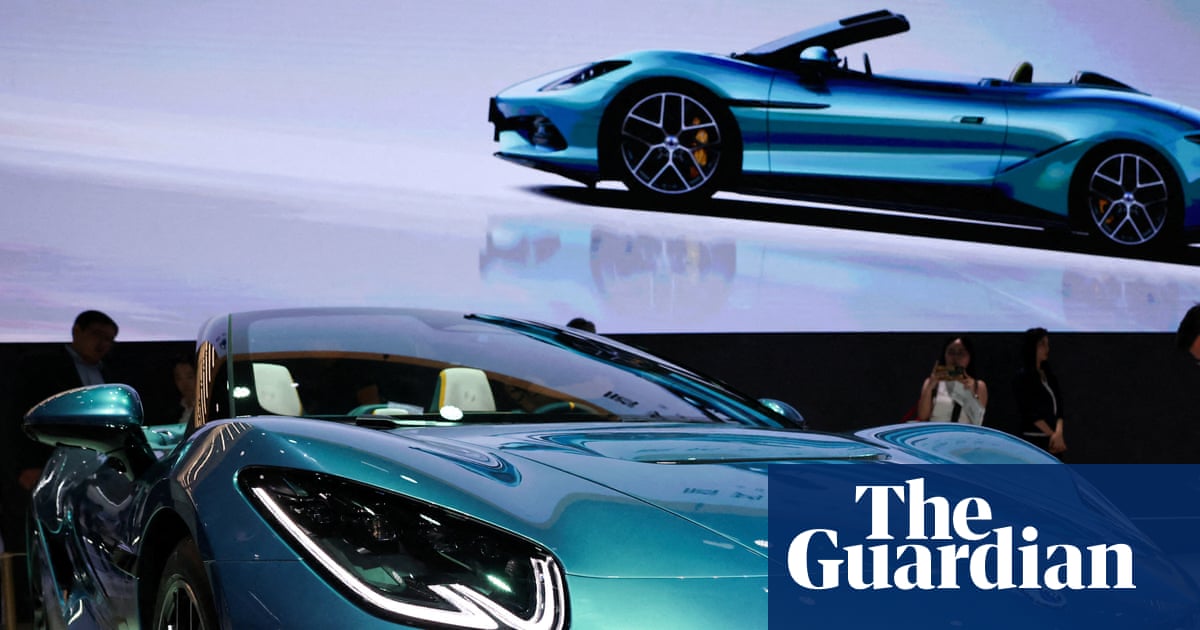
- Volkswagen plans to reduce factory count as EU market shifts
- Chinese automaker Xpeng seeks European factory for production
- European carmakers offload plants amid industry retreat
Volkswagen, one of Europe’s largest automakers, is preparing to cut its factory footprint as Chinese rivals make inroads into the continent’s car market. The German giant aims to streamline operations by reducing the number of its manufacturing sites, signaling a strategic retreat in the face of intensifying competition from Chinese brands pushing into Europe.
Chinese automaker Xpeng, known for its electric vehicles, is actively seeking a factory in Europe to establish local production. Elvis Cheng, Xpeng’s managing director for north-eastern Europe, confirmed the search but noted that one potential site lacked modern infrastructure. “It’s a little bit, I would say, old,” Cheng said during a recent interview, highlighting the challenges Chinese brands face when evaluating older European facilities.
The shift marks a broader realignment in the global auto industry as European manufacturers struggle with rising costs, shifting consumer demand and regulatory pressures. Meanwhile, Chinese automakers—backed by strong state support and expanding domestic supply chains—are aggressively targeting overseas markets, including Europe, with competitive pricing and advanced electric vehicle technology.
Chinese automakers accelerate EU expansion
China’s auto industry, the world’s largest by production volume, has seen rapid growth in exports, with European buyers increasingly open to Chinese brands. BYD, another major Chinese automaker, recently announced plans to build a factory in Hungary, its first major European production hub. The move follows earlier investments by MG, a British brand now owned by China’s SAIC Motor, which already operates a plant in the UK.
European automakers, facing weak domestic demand and high energy prices, are responding by divesting assets. Stellantis, the parent company of Fiat, Peugeot and other brands, has put several plants up for sale in Italy and France. Renault has also explored selling stakes in some of its factories, particularly in Eastern Europe, to cut costs and focus on core markets.
Market forces drive factory sales and purchases
Analysts say the trend reflects broader economic pressures. “European automakers are under intense margin pressure,” said a senior analyst at Bernstein Research. “They’re rationalizing capacity to survive the transition to electrification while Chinese competitors are leveraging scale and lower costs to enter new markets.”
The entry of Chinese brands into Europe has sparked debate over industrial policy and fair competition. The European Union has launched investigations into alleged state-subsidized Chinese EVs, citing concerns over market distortion. Despite these concerns, Chinese automakers continue to push forward, betting on cost advantages and rapid technological upgrades to gain market share.
European regulators are now weighing tariffs or stricter rules on Chinese-made vehicles, but so far, Chinese brands have made significant inroads. In 2023, Chinese EV exports to Europe surged by 70%, according to data from the China Association of Automobile Manufacturers.
As the balance of power in the auto industry continues to shift, European consumers may soon see more Chinese-branded vehicles rolling off European assembly lines—built in plants once owned by legacy automakers now in retreat. The transition raises questions about the future of European carmaking, job security and technological leadership in an era of global competition.
What You Need to Know
- Source: The Guardian
- Published: May 15, 2026 at 04:00 UTC
- Category: Business
- Topics: #guardian · #business · #economy · #chinese · #china · #xpeng
Read the Full Story
This is a curated summary. For the complete article, original data, quotes and full analysis:
All reporting rights belong to the respective author(s) at The Guardian. GlobalBR News summarizes publicly available content to help readers discover the most relevant global news.
Curated by GlobalBR News · May 15, 2026
Related Articles
🇧🇷 Resumo em Português
O sonho europeu de manter sua hegemonia no mercado automotivo está se esvaindo diante da ofensiva silenciosa, mas implacável, dos fabricantes chineses. Enquanto gigantes como a Volkswagen fecham fábricas e reduzem sua presença no continente, marcas como a Xpeng avançam com modelos elétricos cada vez mais competitivos, sinalizando uma reviravolta histórica no setor.
A decisão das montadoras europeias de vender ou desativar unidades produtivas reflete não apenas uma estratégia de realinhamento frente à queda nas vendas, mas também o impacto da crescente concorrência chinesa, que já domina seu próprio mercado e agora mira a Europa com preços agressivos e tecnologia inovadora. Para o Brasil, essa mudança pode acelerar a chegada de veículos chineses ao mercado nacional, intensificando a pressão sobre as montadoras locais e forçando uma adaptação urgente em um setor já pressionado por custos e demanda flutuante.
A próxima batalha não será travada apenas nas estradas, mas nos gabinetes políticos, onde regras de importação e incentivos à indústria nacional deverão definir quem ficará de pé quando o novo equilíbrio do mercado automotivo finalmente se assentar.
🇪🇸 Resumen en Español
Europa cede terreno en su industria automovilística tradicional ante el avance imparable de los fabricantes chinos, que compran plantas en el Viejo Continente para ganar presencia en el mercado. La estrategia de gigantes como Volkswagen de reducir su capacidad productiva contrasta con la expansión agresiva de marcas como Xpeng, cuyo objetivo es consolidarse en Europa aprovechando su ventaja en tecnología eléctrica.
El movimiento refleja un cambio de paradigma en el sector, donde la presión de los competidores asiáticos —con costes más bajos y mayor apoyo estatal— obliga a las firmas europeas a replantearse su modelo. Para los consumidores hispanohablantes, esto podría traducirse en más opciones de vehículos eléctricos a precios competitivos, aunque también en una posible reducción de empleo en plantas tradicionales. La cuestión clave será si Europa logra proteger su liderazgo tecnológico sin ahogar la innovación con medidas proteccionistas.
The Guardian
Read full article at The Guardian →This post is a curated summary. All rights belong to the original author(s) and The Guardian.
Was this article helpful?


Discussion