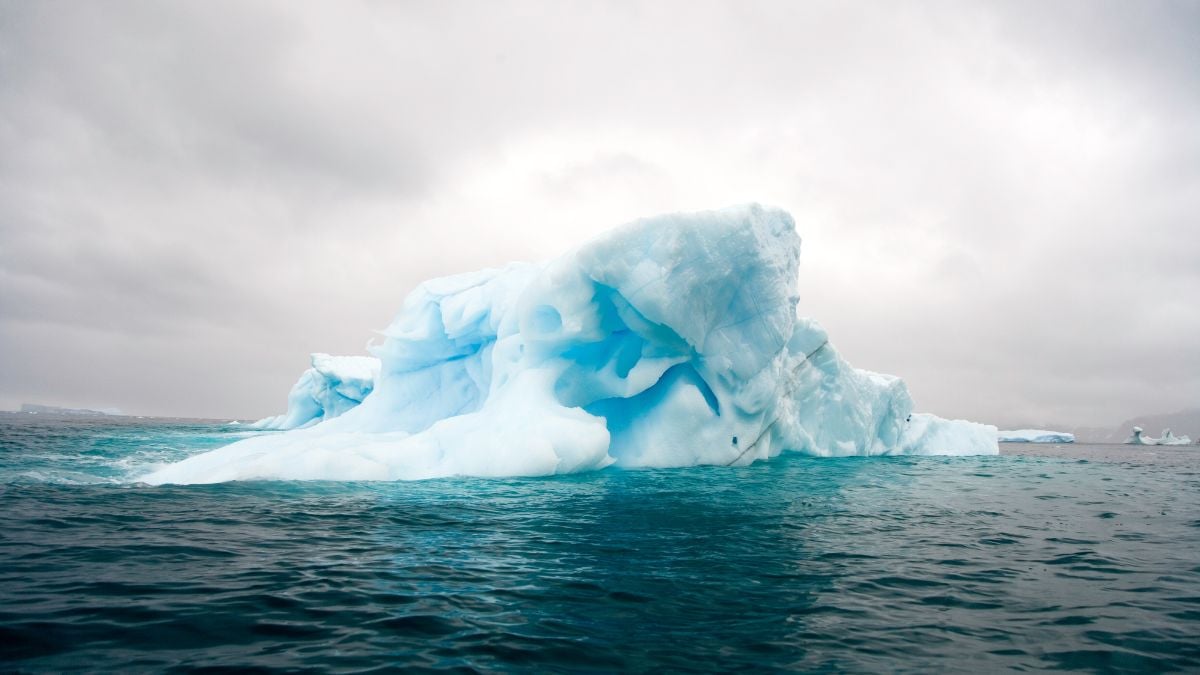
Antarctic sea ice shrank to a shocking record low in 2024 as ocean warmth overwhelmed a long-standing buffer.
- Antarctic sea ice hit record low below 2 million square kilometers in 2024
- Ocean heat broke through a natural barrier that kept ice stable for decades
- Scientists call the decline 'shocking' and warn it speeds up climate risks
Antarctic sea ice just crashed to a shocking low. This year, it dropped below 2 million square kilometers for the first time since satellites started tracking it in 1979. That’s roughly half of what it was in the 1980s and 90s. The sudden drop isn’t just a blip—it’s a sign that heat is breaking through a natural barrier that kept the region’s ice relatively stable for decades.
The ice around Antarctica acts like a giant mirror, reflecting sunlight back into space. When it shrinks, more heat gets absorbed by the dark ocean, which warms the planet faster. Scientists expected some ice loss, but the speed and scale of this year’s collapse caught them off guard. The previous record low was set in 2023, and this year smashed it by a huge margin.
Why the Antarctic ice is disappearing now
For years, Antarctic sea ice bucked the global trend. While the Arctic lost ice steadily, Antarctica’s ice stayed mostly intact, even growing slightly in some places. Researchers blamed strong winds, natural climate cycles, and the isolated geography of the continent. But now, that stability is gone.
The collapse matches what scientists call a “regime shift.” A mix of rising ocean temperatures, shifting wind patterns, and possibly changes in deep ocean currents is tearing the ice apart. Some researchers point to the Southern Ocean, which has been warming faster than expected. Others warn that the ice’s protective role is weakening—thinner ice breaks up more easily under waves and storms.
In February 2024, sea ice coverage hit its summer minimum at just 1.95 million square kilometers. For comparison, the average minimum from 1981 to 2010 was 3.16 million square kilometers. That’s a loss bigger than the entire area of Mexico. The jump from one year to the next is especially alarming—it’s not gradual. It’s a sharp drop.
What this means for the planet
The Antarctic ice sheet doesn’t just cool the planet. It also helps regulate ocean currents worldwide. When ice melts, it adds fresh water to the Southern Ocean, which can slow down currents like the Antarctic Circumpolar Current—the strongest ocean current on Earth. That could mess with weather patterns thousands of miles away, making heatwaves, droughts, and storms more extreme.
Closer to home, melting Antarctic ice raises global sea levels. Unlike Arctic ice, which is already floating, Antarctic ice sits on land. When it melts, it pours into the ocean. Right now, Antarctica is losing ice faster than at any point in the last 11,000 years. If the trend continues, coastal cities from Miami to Mumbai could face flooding much sooner than expected.
Scientists are scrambling for answers
Researchers are still figuring out why the ice collapsed so fast. Some blame human-caused climate change. Others say natural cycles might be to blame, but even those cycles are acting differently now because of the warmer ocean. What’s clear is that the old rules no longer apply.
A team at the National Snow and Ice Data Center (NSIDC) called the decline “shocking” in their latest report. They warned that if the ice doesn’t recover soon, the planet could face even faster warming. Meanwhile, other scientists are racing to update climate models that were built on the assumption that Antarctic ice would stay mostly stable for decades.
The bigger picture: Earth’s icy shields are under attack
This isn’t just about Antarctica. The Arctic has been losing ice for years, and now Antarctica is catching up—fast. Together, they form Earth’s two big ice shields. When both weaken, the planet loses its ability to cool itself. That means more heat trapped in the atmosphere, more extreme weather, and faster sea-level rise.
The question now isn’t whether this matters—it’s how bad it’s going to get. If the ice keeps shrinking, the next few years could redefine what “normal” weather even means. Cities that never worried about flooding might need new defenses. Farmers might see crops fail in ways they weren’t prepared for. And the ocean could keep getting warmer, feeding a cycle that’s hard to break.
One thing is certain: the clock is ticking. The Antarctic ice isn’t just a distant barometer of climate change. It’s a warning sign that’s getting harder to ignore.
What You Need to Know
- Source: ScienceAlert
- Published: May 17, 2026 at 18:00 UTC
- Category: Science
- Topics: #science · #biology · #chemistry · #space · #astronomy · #antarctic-sea-ice
Read the Full Story
This is a curated summary. For the complete article, original data, quotes and full analysis:
All reporting rights belong to the respective author(s) at ScienceAlert. GlobalBR News summarizes publicly available content to help readers discover the most relevant global news.
Curated by GlobalBR News · May 17, 2026
Related Articles
- NASA tests Mars helicopter blades that break the sound barrier
- Live stream asteroid the size of a blue whale passing Earth May 18
- Venus and moon pair up in rare night sky show May 18
🇧🇷 Resumo em Português
O gelo marinho da Antártida mergulhou em um declínio sem precedentes, com dados recentes mostrando uma redução drástica que acendeu alertas entre cientistas e ambientalistas. Pela primeira vez desde que medições confiáveis começaram há quatro décadas, a extensão do gelo ao redor do continente gelado ficou bem abaixo dos níveis históricos, sinalizando um possível ponto de virada no sistema climático global.
O fenômeno não é apenas uma anomalia pontual, mas faz parte de um padrão preocupante de derretimento acelerado, impulsionado pelo aumento das temperaturas oceânicas. Para o Brasil, país com mais de 7.000 quilômetros de costa vulnerável à elevação do nível do mar e mudanças nos padrões climáticos, o desequilíbrio na Antártida pode agravar secas prolongadas, intensificar tempestades tropicais e ameaçar ecossistemas costeiros. Além disso, a perda de gelo antártico influencia diretamente o clima da América do Sul, com impactos já sentidos na agricultura e na segurança hídrica de regiões como o Sul e o Sudeste.
A comunidade científica agora corre contra o tempo para entender se este é um episódio isolado ou o início de uma tendência irreversível, enquanto governos e organizações internacionais debatem medidas urgentes para frear o aquecimento global.
🇪🇸 Resumen en Español
El hielo marino antártico ha alcanzado un mínimo histórico alarmante, desvaneciéndose a un ritmo sin precedentes mientras el calor oceánico irrumpe con fuerza, lo que enciende las alarmas sobre una aceleración del cambio climático. Los datos más recientes revelan una pérdida de cobertura helada equivalente a más de cuatro veces el tamaño de España, un colapso que supera todos los pronósticos y cuestiona la estabilidad de uno de los reguladores climáticos más cruciales del planeta.
Este fenómeno no solo refleja la fragilidad de los ecosistemas polares, sino que también amenaza con desestabilizar patrones climáticos globales que dependen de la Antártida para mantener el equilibrio térmico. Para los hispanohablantes, especialmente en regiones costeras o dependientes de la pesca, las consecuencias podrían ser devastadoras: desde la alteración de las corrientes marinas que regulan el clima en América Latina hasta el aumento del nivel del mar, que ya afecta a comunidades vulnerables. La ciencia advierte que, sin acción urgente, lo que ocurre en los confines helados del sur podría sentirse mucho más cerca de lo que imaginamos.
ScienceAlert
Read full article at ScienceAlert →This post is a curated summary. All rights belong to the original author(s) and ScienceAlert.
Was this article helpful?


Discussion