Warm winter forced bees to swarm 17 days early, alarming beekeepers as colony losses rise.
- Warm winter woke bees 17 days earlier than last year
- Beekeepers scramble to adapt to shifting swarm season
- Record colony losses last year added to alarm
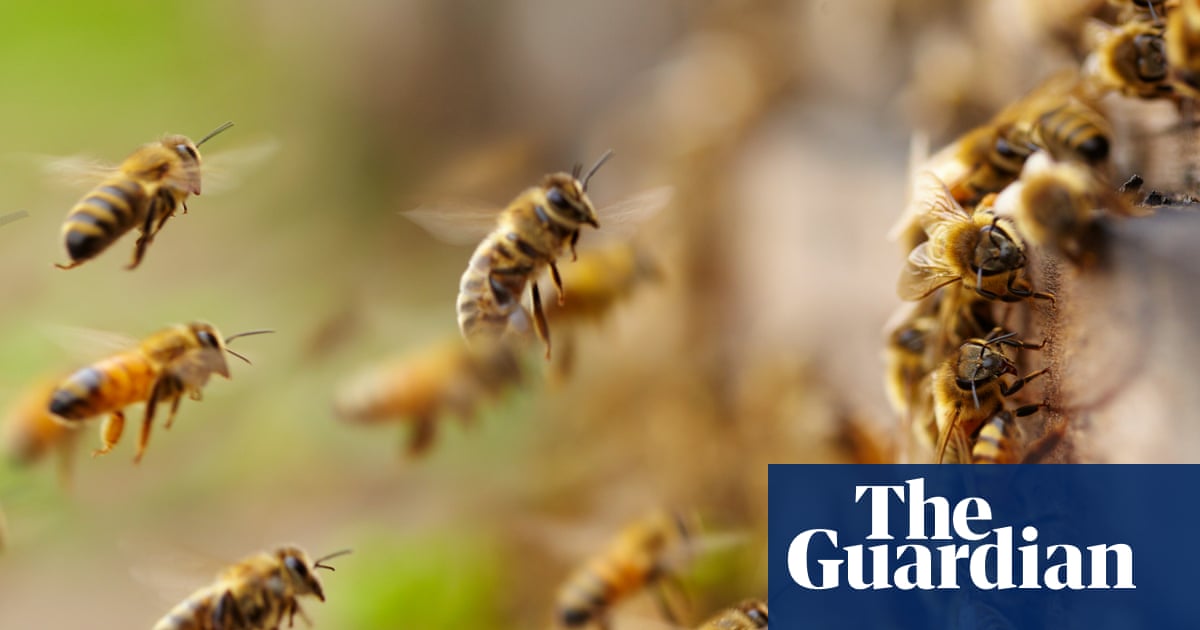
North America’s honeybees kicked off swarm season 17 days ahead of schedule this year, a shift that’s forcing beekeepers to act fast. The early start follows a winter so mild it disrupted the insects’ usual hibernation cycle, according to a new report from Swarmed, a global network of over 10,000 beekeepers that tracks and safely relocates swarms. Last year’s colony losses hit record highs worldwide, making this year’s early activity even more concerning for beekeepers already on edge.
The warm winter isn’t just an inconvenience—it’s a warning sign. Bees rely on cold snaps to slow their metabolism and conserve energy during winter. When temperatures stay above average, as they did this year across much of the U.S. and Canada, the insects remain active longer, burning through food stores faster. Some beekeepers in the Midwest and Northeast report seeing swarms as early as February, a month before normal. That leaves colonies weaker going into spring pollination season, a critical time for both wild plants and commercial crops.
How beekeepers are racing to keep up
Swarmed’s data shows that early swarms are overwhelming beekeepers who’ve had to adjust their schedules on the fly. Many report scrambling to relocate swarms before they settle in inconvenient spots—attics, sheds, even parked cars. “We’ve got teams working 12-hour days now, when we’d normally be prepping for the usual March-April rush,” said Mia Rodriguez, a certified beekeeper and Swarmed coordinator in Texas. Rodriguez’s team has already handled 40% more swarms this year compared to the same period in 2024, and the peak hasn’t even hit yet.
The rush isn’t just about workload. Early swarms mean bees are out foraging when flowers aren’t blooming yet, leaving them with little food. Some beekeepers are supplementing with sugar syrup or protein patties to keep colonies alive until spring plants start producing pollen. Others are splitting hives earlier to prevent overcrowding, a risky move that can stress the bees further if done incorrectly.
Climate change isn’t just making bees wake up early
This year’s early swarms are just one symptom of a much bigger problem. Over the past decade, beekeepers in North America and Europe have lost an average of 40% of their colonies annually, according to the USDA. Pesticides, habitat loss, and parasites like the Varroa destructor mite have hammered bee populations for years. Now, climate change is piling on.
Warmer winters mean pests like the Varroa mite survive longer into the season, attacking weakened colonies. Droughts reduce the variety of flowers bees need for diverse nutrition, while intense heatwaves can kill off entire hives outright. In California’s Central Valley, one of the world’s most important agricultural regions, almond growers are already bracing for shortages after last year’s bee losses left some orchards without enough pollinators.
What’s next for bees—and beekeepers
The big question now is whether this early start will become the new normal. Swarmed’s data suggests it might. Their tracking shows that over the past five years, swarm season has crept forward by an average of three days per year. That’s not much on its own, but combined with other stressors, it’s enough to push some beekeepers to the brink.
Some are calling for more research into heat-resistant bee breeds or ways to mimic winter conditions in managed hives. Others are pushing for stricter pesticide regulations or expanded wildflower planting programs to give bees better food sources. But for now, the focus is on survival. “We’re in triage mode,” said Dr. Elias Chen, an entomologist at the University of California, Davis. “Every year the season shifts, the challenges grow. We’re running out of time to figure out how to protect these bees before the next crisis hits.”
What You Need to Know
- Source: The Guardian
- Published: May 17, 2026 at 12:00 UTC
- Category: World
- Topics: #guardian · #world-news · #international · #war · #conflict · #experts
Read the Full Story
This is a curated summary. For the complete article, original data, quotes and full analysis:
All reporting rights belong to the respective author(s) at The Guardian. GlobalBR News summarizes publicly available content to help readers discover the most relevant global news.
Curated by GlobalBR News · May 17, 2026
Related Articles
- 🎉 250 Articles in World!
- WHO declares Ebola emergency as Congo outbreak spreads to Uganda
- WHO declares Ebola emergency as Congo and Uganda outbreaks surge
🇧🇷 Resumo em Português
O Brasil, que já enfrenta desafios ambientais sem precedentes, agora observa com atenção um fenômeno que pode agravar ainda mais a crise global da biodiversidade: na América do Norte, a temporada de enxameamento das abelhas, tradicionalmente prevista para março, chegou 17 dias antes do esperado, impulsionada por ondas de calor recorde e invernos cada vez mais amenos. O que parece ser um detalhe sazonal para muitos é, na verdade, um sinal alarmante para ecossistemas e para a segurança alimentar mundial, já que as abelhas desempenham um papel crucial na polinização de cerca de 75% das culturas agrícolas.
Especialistas brasileiros já haviam alertado para os riscos de eventos climáticos extremos no Hemisfério Norte influenciarem diretamente a agricultura nacional, especialmente em estados como São Paulo e Paraná, grandes produtores de frutas e grãos. A antecipação do enxameamento, que afeta diretamente a polinização e a produção de mel, pode desequilibrar cadeias produtivas globais e, consequentemente, os preços dos alimentos no Brasil. Além disso, a perda de colônias — já em ascensão por causa do uso excessivo de agrotóxicos e do desmatamento — pode se agravar, exigindo medidas urgentes de políticas públicas e conscientização de produtores rurais.
A tendência de invernos mais quentes e primaveras antecipadas deve se intensificar, obrigando governos e sociedade a repensar estratégias de adaptação, ou enfrentar colapsos ainda maiores na cadeia alimentar.
🇪🇸 Resumen en Español
El temprano enjambre de abejas en Norteamérica, adelantado 17 días por inviernos cada vez más cálidos, alerta a los expertos ante un fenómeno que amenaza el equilibrio ecológico y la agricultura. Este inicio precoz de la temporada, registrado en 2024, refleja los efectos tangibles del cambio climático y sus consecuencias para uno de los polinizadores más vitales del planeta.
La situación pone en jaque a apicultores, que enfrentan pérdidas crecientes en sus colmenas mientras intentan ajustar sus prácticas a un clima que ya no sigue patrones predecibles. Para los hispanohablantes, especialmente en regiones agrícolas de América y España, la alerta es doble: la supervivencia de las abejas —clave para cultivos como frutales o almendros— está en riesgo, y su declive podría encarecer alimentos básicos en los próximos años. La ciencia advierte que, sin medidas urgentes, el colapso de estos insectos agravaría la crisis alimentaria global.
The Guardian
Read full article at The Guardian →This post is a curated summary. All rights belong to the original author(s) and The Guardian.
Was this article helpful?


Discussion