Jagger and Clapton helped stop a 29-storey Thames tower after a planning inspector rejected Rockwell Property’s plan.
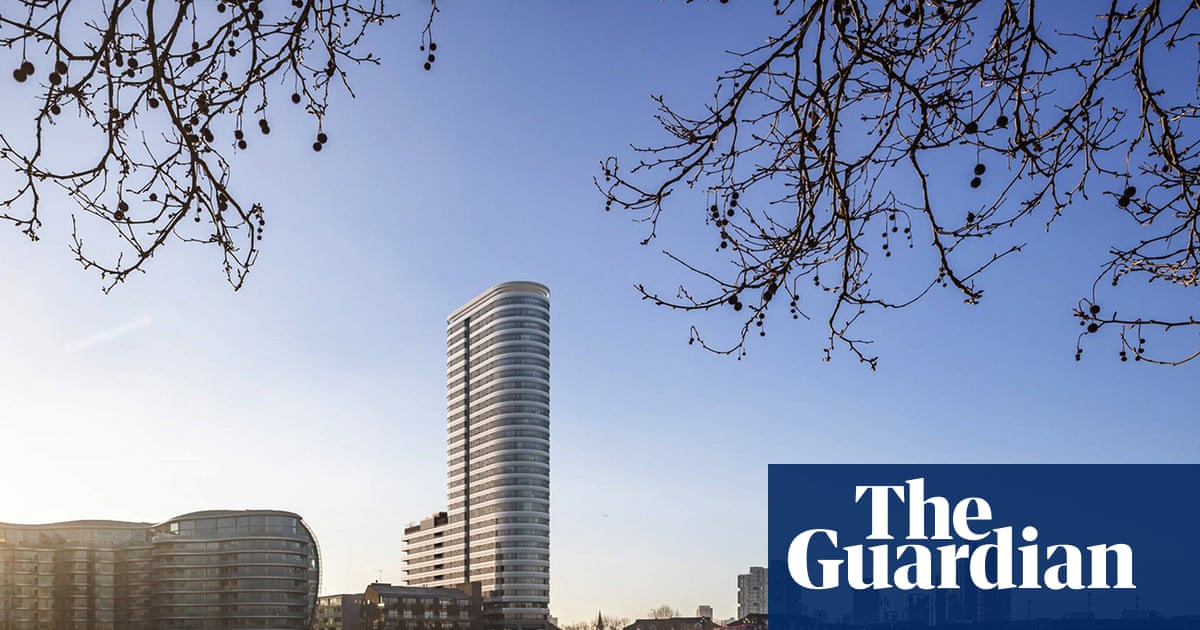
- Court rejects 29-storey tower plan near Battersea Bridge
- Rockwell Property fought two-year battle over 100-metre Thames development
- Planning inspector upholds council’s rejection of scheme
A planning inspector has sided with local councilors and celebrities including Mick Jagger to block a 29-storey tower planned for the south bank of the Thames near Battersea Bridge in southwest London. The 100-metre-high development proposed by Rockwell Property would have rivaled the iconic chimneys of the nearby Battersea Power Station.
The inspector ruled the tower was not “exemplary, extraordinary, remarkable or distinctive, just tall,” confirming the rejection issued by Hammersmith and Fulham Council. The council had refused the scheme in 2022, citing harm to the historic character and riverside views. Opponents argued the tower would dominate the skyline and alter the riverside setting protected by local conservation policies.
Celebrities including Jagger, guitarist Eric Clapton, actress Felicity Kendal and comedian Harry Hill joined local campaign groups in opposing the project. The group argued the tower would harm the area’s heritage and residential character, despite Rockwell’s claims it would bring investment and housing.
Campaigners cite heritage and skyline concerns
Campaigners said the tower’s height and location would overshadow the historic Chelsea Embankment and disrupt views protected under the Thames Policy Area Design Guide. The guide aims to preserve sightlines and the character of riverside areas. Opponents also pointed to the proximity to low-rise residential streets and the potential impact on property values and quality of life.
Rockwell Property argued the development would deliver 300 new homes, including affordable units, and claimed the design met local planning policies. The company said it was “disappointed” by the inspector’s decision and considering its next steps. Local councillors welcomed the ruling, calling it a victory for residents and heritage protection.
What happens next
The inspector’s decision brings a two-year dispute to a close, but it may not end the broader debate over tall buildings in London’s conservation areas. Similar high-rise proposals have faced opposition in central London and along the Thames, where heritage and skyline policies are tightly enforced. The case highlights tensions between housing demand and heritage protection in one of the capital’s most sought-after neighborhoods.
Planning experts say the ruling reinforces the weight given to local character and conservation in high-profile appeals. It also signals that height alone is unlikely to justify approval in sensitive locations, even if the scheme includes affordable housing. For now, the Thames riverside remains unchanged, preserving views cherished by residents and visitors alike.
What You Need to Know
- Source: The Guardian
- Published: May 16, 2026 at 11:35 UTC
- Category: World
- Topics: #guardian · #world-news · #international · #mick-jagger · #eric-clapton · #thames-planning
Read the Full Story
This is a curated summary. For the complete article, original data, quotes and full analysis:
All reporting rights belong to the respective author(s) at The Guardian. GlobalBR News summarizes publicly available content to help readers discover the most relevant global news.
Curated by GlobalBR News · May 16, 2026
Related Articles
- Eurovision 2024 faces scrutiny over Israel’s participation amid war
- War in the Middle East: Israel targets top Hamas leader in Gaza
- US Justice Department preparing indictment against Raúl Castro
🇧🇷 Resumo em Português
Mick Jagger e Eric Clapton conseguem barrar megatower de 29 andares às margens do Rio Tâmisa, após dois anos de batalha judicial.
A decisão do inspetor de planejamento britânico de manter a rejeição a um empreendimento de 29 andares na região de Battersea, às margens do Rio Tâmisa, em Londres, representa uma vitória para os moradores e figuras públicas que se mobilizaram contra a construção. A proposta, que incluía um prédio de luxo com 500 apartamentos, foi contestada não apenas por nomes como Mick Jagger e Eric Clapton, que temiam o impacto no visual e na qualidade de vida da região, mas também por grupos de defesa do patrimônio histórico e ambiental. O caso ganhou destaque internacional, chamando atenção para os desafios de urbanização em áreas nobres da capital britânica, onde o crescimento desordenado ameaça a identidade local.
Para o Brasil e os leitores de língua portuguesa, o caso serve como alerta sobre os conflitos entre desenvolvimento imobiliário e preservação urbana, especialmente em cidades com forte apelo turístico e histórico. A decisão reforça a importância da participação cidadã em processos de licenciamento, um debate que ganha força também em metrópoles brasileiras, como no Rio de Janeiro e em São Paulo, onde empreendimentos de grande porte frequentemente enfrentam resistência. Além disso, a vitória de figuras públicas como Jagger e Clapton mostra como a influência de celebridades pode ser usada como ferramenta de pressão em causas urbanísticas.
A batalha, no entanto, pode não ter chegado ao fim: os desenvolvedores ainda têm a opção de recorrer da decisão, o que manterá o impasse em aberto. Enquanto isso, a discussão sobre como conciliar crescimento econômico e qualidade de vida nas cidades globais segue mais viva do que nunca.
🇪🇸 Resumen en Español
El legendario Mick Jagger y el guitarrista Eric Clapton han logrado frenar, tras dos años de intensa lucha legal, la construcción de una descomunal torre de 29 plantas en las orillas del Támesis, un proyecto que amenazaba con alterar para siempre el perfil histórico de Battersea.
La decisión del inspector de planificación respalda la postura del ayuntamiento de rechazar la edificación, un triunfo que no solo preserva el paisaje fluvial, sino que refuerza la protección de zonas residenciales y de valor patrimonial en el área. Para los hispanohablantes residentes en Londres o interesados en la defensa del entorno urbano, este caso subraya la importancia de la movilización ciudadana y las alianzas entre figuras públicas y autoridades para frenar desarrollos inmobiliarios agresivos, un debate recurrente en ciudades donde el crecimiento descontrolado choca con la identidad local.
The Guardian
Read full article at The Guardian →This post is a curated summary. All rights belong to the original author(s) and The Guardian.
Was this article helpful?


Discussion