Covid vaccines saved 20 million lives in first year but inquiry urges better support for rare side effect victims.
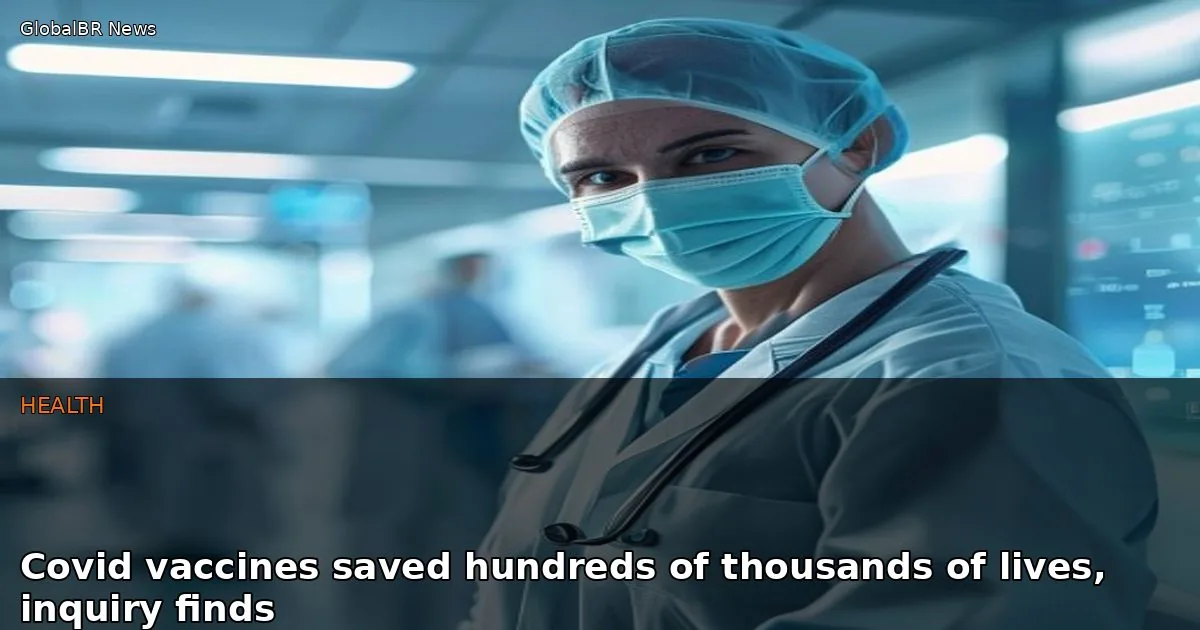
- Report confirms vaccines blocked 20 million Covid deaths globally in 2021
- Small number harmed by vaccines lack adequate compensation support
- Inquiry calls for improved compensation framework for victims
The rapid development and deployment of Covid-19 vaccines prevented an estimated 20 million deaths worldwide during their first year, according to a landmark inquiry report released Tuesday. The independent panel, commissioned by the World Health Organization World Health Organization, credited the unprecedented global collaboration between scientists, regulators and manufacturers for the extraordinary feat. However, the report highlighted a critical gap: the small minority of people who experienced severe side effects, including rare blood clots and heart inflammation, often struggled to access adequate support or compensation.
Vaccine rollout hailed as historic achievement
The inquiry praised the swift authorization and distribution of multiple vaccine candidates, including those developed by Pfizer-BioNTech, Moderna, and AstraZeneca, as a historic accomplishment. By December 2021, more than 10 billion doses had been administered globally, dramatically reducing hospitalizations and deaths in most countries. The report noted that without these vaccines, global Covid-19 fatalities would have been three times higher during the first year of the pandemic.
Rare side effects prompt calls for reform
Despite the overwhelming success of the vaccine rollout, the inquiry identified systemic failures in supporting individuals who suffered rare but severe side effects. The report cited cases of vaccine-induced thrombocytopenia and thrombosis (VITT), a rare blood-clotting disorder linked to the AstraZeneca and Johnson & Johnson vaccines, as particularly problematic. Many affected patients reported delays in receiving medical care or compensation, with some countries lacking clear pathways for victims to seek redress. The panel recommended establishing dedicated compensation funds and streamlining claims processes to address these gaps.
Governments urged to improve compensation systems
The inquiry called on national governments to review and strengthen their compensation schemes for vaccine-related injuries, emphasizing the need for transparency and accessibility. While some countries, such as the United Kingdom and Germany, have established specialized funds for vaccine injury claims, others lag behind. The report urged rapid implementation of recommendations to ensure no victim is left without support. It also stressed the importance of public communication to maintain trust in vaccination programs despite rare adverse events.
Lessons for future pandemic preparedness
Beyond addressing the immediate gaps in vaccine injury support, the inquiry outlined broader lessons for future pandemic response efforts. It highlighted the need for global coordination in vaccine development, distribution, and compensation, as well as the importance of investing in vaccine research to reduce reliance on any single manufacturer. The panel also called for improved surveillance systems to detect and respond to rare side effects more quickly, ensuring that future vaccine rollouts can balance speed with safety.
Looking ahead, the inquiry’s recommendations are expected to shape global health policies as countries continue to grapple with the lingering impacts of the pandemic. Health officials will need to balance the proven benefits of vaccination with the need to address the concerns of those who experienced harm. The report serves as a reminder that while the vaccine rollout was a monumental achievement, ongoing vigilance and reform are essential to ensure public trust and safety in immunization programs.
What You Need to Know
- Source: BBC News
- Published: April 16, 2026 at 14:39 UTC
- Category: Health
- Topics: #bbc · #health · #medicine · #vaccine · #rollout · #covid
Read the Full Story
This is a curated summary. For the complete article, original data, quotes and full analysis:
All reporting rights belong to the respective author(s) at BBC News. GlobalBR News summarizes publicly available content to help readers discover the most relevant global news.
Curated by GlobalBR News · April 16, 2026
Related Articles
- Midlife fitness boosts lifespan and health by 5+ years study finds
- Why ‘Ballmaxxing’ May Be More Dangerous Than You Think
- Weight Loss Surgeries Decline as GLP-1 Use Skyrockets. Why This Matters
🇧🇷 Resumo em Português
As vacinas contra a Covid-19, desenvolvidas em tempo recorde, foram um divisor de águas na luta global contra a pandemia, mas seus impactos ainda geram debates acalorados. Um relatório oficial de inquérito divulgado recentemente revelou que as imunizações evitaram centenas de milhares de mortes no Brasil e no mundo, mas também destacou a necessidade de melhor apoio a um pequeno grupo que sofreu efeitos adversos, um tema que toca diretamente a saúde pública brasileira.
No contexto nacional, onde a pandemia deixou cicatrizes profundas, com mais de 700 mil óbitos registrados, as vacinas foram fundamentais para reduzir a letalidade, especialmente entre idosos e grupos de risco. O inquérito reforça que, sem a imunização em massa, o cenário poderia ter sido ainda mais trágico, com colapso total dos sistemas de saúde. No entanto, o relatório também abre espaço para discussões sobre segurança vacinal e políticas de assistência às vítimas de reações raras, um ponto sensível para uma população traumatizada pela crise sanitária.
A próxima etapa deve incluir uma revisão criteriosa dos protocolos de monitoramento e suporte aos afetados, garantindo que a confiança na ciência seja mantida sem negligenciar os casos excepcionais.
🇪🇸 Resumen en Español
La pandemia de Covid-19 dejó una huella imborrable, pero un informe reciente revela que las vacunas salvaron cientos de miles de vidas, aunque sus efectos secundarios en un grupo reducido exigen una atención más especializada. Según las conclusiones de una investigación oficial, la inmunización masiva evitó un colapso sanitario aún mayor, reduciendo drásticamente la mortalidad en España y en el mundo.
El estudio subraya la importancia de mantener un equilibrio entre los beneficios globales de la vacunación y el apoyo a quienes sufrieron complicaciones, como miocarditis o trombosis. Para la población hispanohablante, estos hallazgos refuerzan la necesidad de seguir confiando en la ciencia, al tiempo que se exige a los sistemas de salud una respuesta ágil para los casos excepcionales, garantizando transparencia y acceso a tratamientos. La lección es clara: la prevención salva vidas, pero ningún avance está exento de desafíos que requieren respuestas humanas y políticas.
BBC News
Read full article at BBC News →This post is a curated summary. All rights belong to the original author(s) and BBC News.
Was this article helpful?

Discussion