NATO drills in Latvia test wheeled robots as opposing forces gain tactical advantage over drone-only teams.
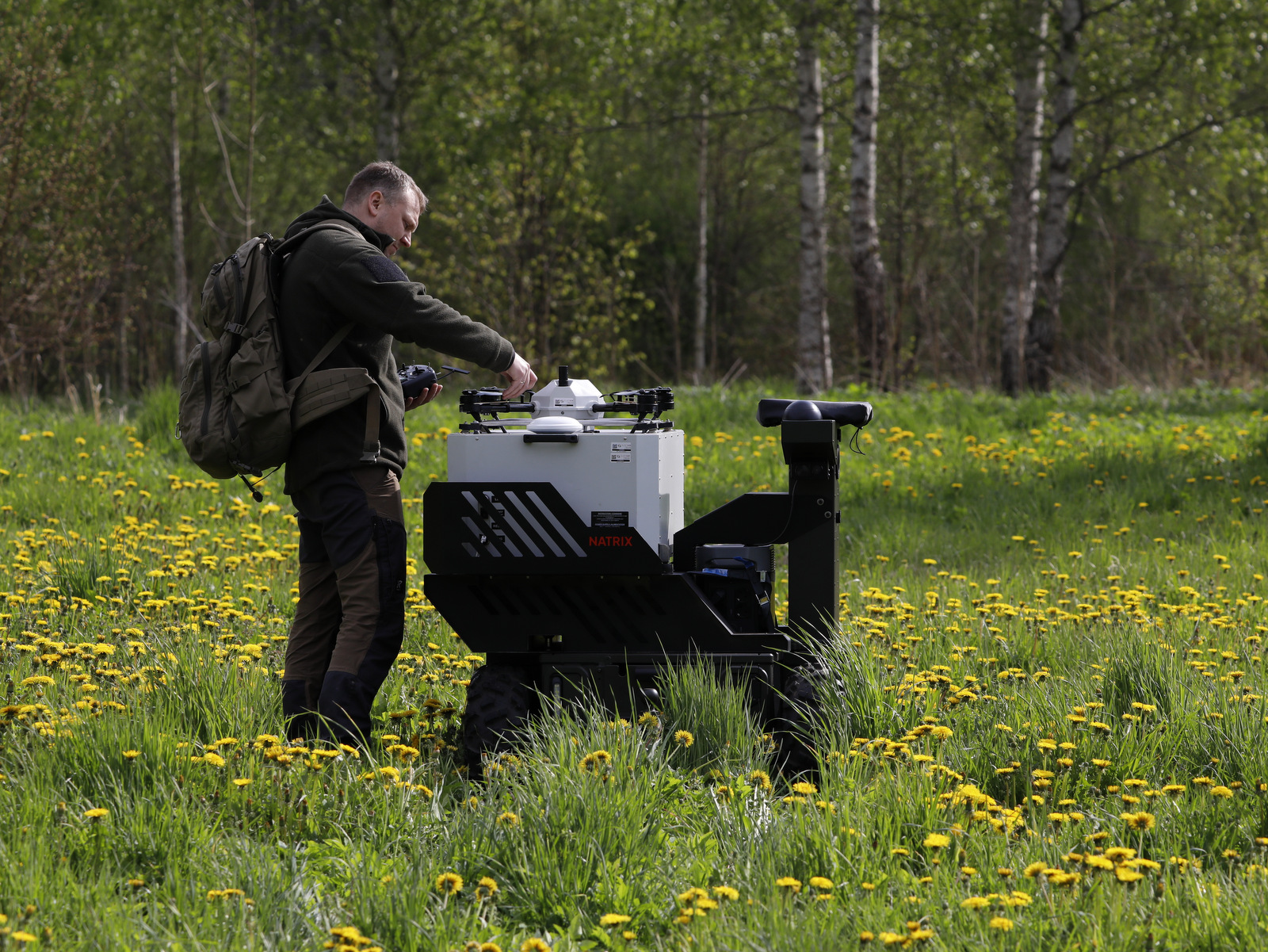
- NATO drills in Latvia test unmanned ground vehicles against aerial drone teams
- Wheeled robots provide opposing forces an element of surprise
- Latvian battalion commander calls robots 'force multipliers'
RIGA, Latvia — In Latvia’s dense pine and birch forests, Latvian troops encountered an unexpected challenge during NATO’s Crystal Arrow exercises this week: wheeled robots. The opposing forces, equipped with unmanned ground vehicles, gained a tactical advantage over teams relying only on aerial drones, according to Lt. Col. Andris Brūveris, commander of Latvia’s 2nd Mechanized Infantry Battalion. The drills near the Russian border highlighted the alliance’s push to integrate robotic systems into modern warfare.
Brūveris, speaking to reporters at the Sēlija training area in central Latvia on Monday, called the robots “force multipliers” that are “here to stay.” The exercise, part of NATO’s ongoing efforts to keep pace with rapid advancements in drone warfare, tested how ground robots could complement traditional military tactics. The robots’ ability to navigate rough terrain gave the opposing forces an edge over the blue team’s aerial drone reliance.
NATO adapts to robotic warfare
The inclusion of unmanned ground vehicles reflects NATO’s broader strategy to modernize its military capabilities. As adversaries increasingly deploy robotic systems, the alliance is investing in technologies that can counter or leverage these tools. The Crystal Arrow drills provided a real-world testing ground for how these systems perform in combat simulations. Observers noted the robots’ mobility and adaptability in challenging environments.
Latvia, a NATO member bordering Russia, has become a key location for such exercises amid heightened regional tensions. The country’s proximity to Russia makes it a strategic testing ground for defensive operations. The drills also served as a demonstration of NATO’s commitment to collective defense and rapid response capabilities.
Robots reshape battlefield dynamics
Military analysts say the integration of ground robots is reshaping battlefield dynamics. Unlike aerial drones, which are limited by range and weather conditions, wheeled robots can operate closer to the ground, providing real-time reconnaissance and fire support. Brūveris emphasized that these systems enhance situational awareness and reduce risks to human soldiers.
The exercises also tested the robots’ ability to coordinate with human troops and other unmanned systems. NATO officials said the drills were designed to evaluate the robots’ performance in simulated combat scenarios, including ambushes and reconnaissance missions. The results will inform future procurement and training decisions.
Future of military robotics
As NATO continues to refine its robotic warfare strategies, the alliance is expected to expand its use of unmanned systems in upcoming exercises. The Crystal Arrow drills may serve as a model for larger-scale integration of ground robots in combat operations. Military leaders say the technology will play an increasingly critical role in modern military doctrine.
The broader implications of robotic warfare extend beyond NATO’s exercises. Global military powers are investing heavily in unmanned systems, raising questions about the ethical and strategic implications of their use. The Crystal Arrow drills offer a glimpse into how these questions might be addressed in real-world scenarios.
What You Need to Know
- Source: Defense News
- Published: May 15, 2026 at 10:01 UTC
- Category: War
- Topics: #defense · #military · #pentagon · #war · #conflict · #near-russian
Read the Full Story
This is a curated summary. For the complete article, original data, quotes and full analysis:
All reporting rights belong to the respective author(s) at Defense News. GlobalBR News summarizes publicly available content to help readers discover the most relevant global news.
Curated by GlobalBR News · May 15, 2026
Related Articles
- Wembanyama’s Spurs reach Western finals, Pistons stay alive in NBA playoffs
- 🎉 250 Articles in War!
- 🎉 100 Articles in War!
🇧🇷 Resumo em Português
O mundo acompanha, cada vez mais, uma corrida tecnológica acelerada nas frentes de batalha, e a Letônia, país báltico fronteiriço com a Rússia, tornou-se um laboratório estratégico para os testes de robótica militar da OTAN. Em um exercício inédito, as forças aliadas testaram veículos terrestres não-tripulados durante manobras de combate, sinalizando como a guerra moderna está sendo reescrita pela automação e pela inteligência artificial. Enquanto o conflito na Ucrânia já demonstrou o impacto de drones e sistemas autônomos no campo de batalha, as manobras na Letônia mostram que a próxima geração de armas — silenciosas, precisas e sem risco imediato para vidas humanas — já está pronta para ser incorporada às Forças Armadas ocidentais.
O Brasil, embora distante geograficamente dos centros de tensão europeus, não pode ignorar essa transformação. A defesa nacional brasileira tem investido em modernização, mas a adoção de robôs de combate — como os testados pela OTAN — exige não apenas recursos financeiros, mas também uma discussão estratégica urgente sobre ética, soberania e a capacidade de resposta do país frente a um cenário global cada vez mais automatizado. A pergunta que se impõe é: até quando o Brasil ficará fora dessa revolução militar? Especialistas alertam que a demora em incorporar essas tecnologias pode deixar as Forças Armadas brasileiras defasadas em relação a potências regionais e globais, especialmente em um contexto de crescente militarização da América do Sul.
A próxima etapa dos exercícios na Letônia deve incluir simulações mais complexas, com integração de sistemas autônomos em operações conjuntas, o que deve acirrar ainda mais o debate sobre o uso de armas robóticas no mundo.
🇪🇸 Resumen en Español
Las maniobras de la OTAN en Letonia incorporan robots terrestres no tripulados para modernizar sus tácticas ante un escenario bélico en constante cambio. Los ejercicios, realizados cerca de la frontera con Rusia, reflejan la apuesta aliada por integrar sistemas autónomos en escenarios reales de combate.
Estas pruebas, enmarcadas en la misión de disuasión del flanco oriental, subrayan cómo la robótica militar está redefiniendo el equilibrio de poder en Europa. Para los lectores hispanohablantes, el avance tecnológico plantea interrogantes sobre el futuro de la defensa colectiva y los costes de una carrera armamentística donde la inteligencia artificial gana terreno. Además, la proximidad con el territorio ruso añade un componente estratégico clave, especialmente en un contexto de tensiones geopolíticas crecientes.
Defense News
Read full article at Defense News →This post is a curated summary. All rights belong to the original author(s) and Defense News.
Was this article helpful?



Discussion