Berkshire Hathaway acquires $2.6 billion in Delta Air Lines shares, its first airline investment since 2016.
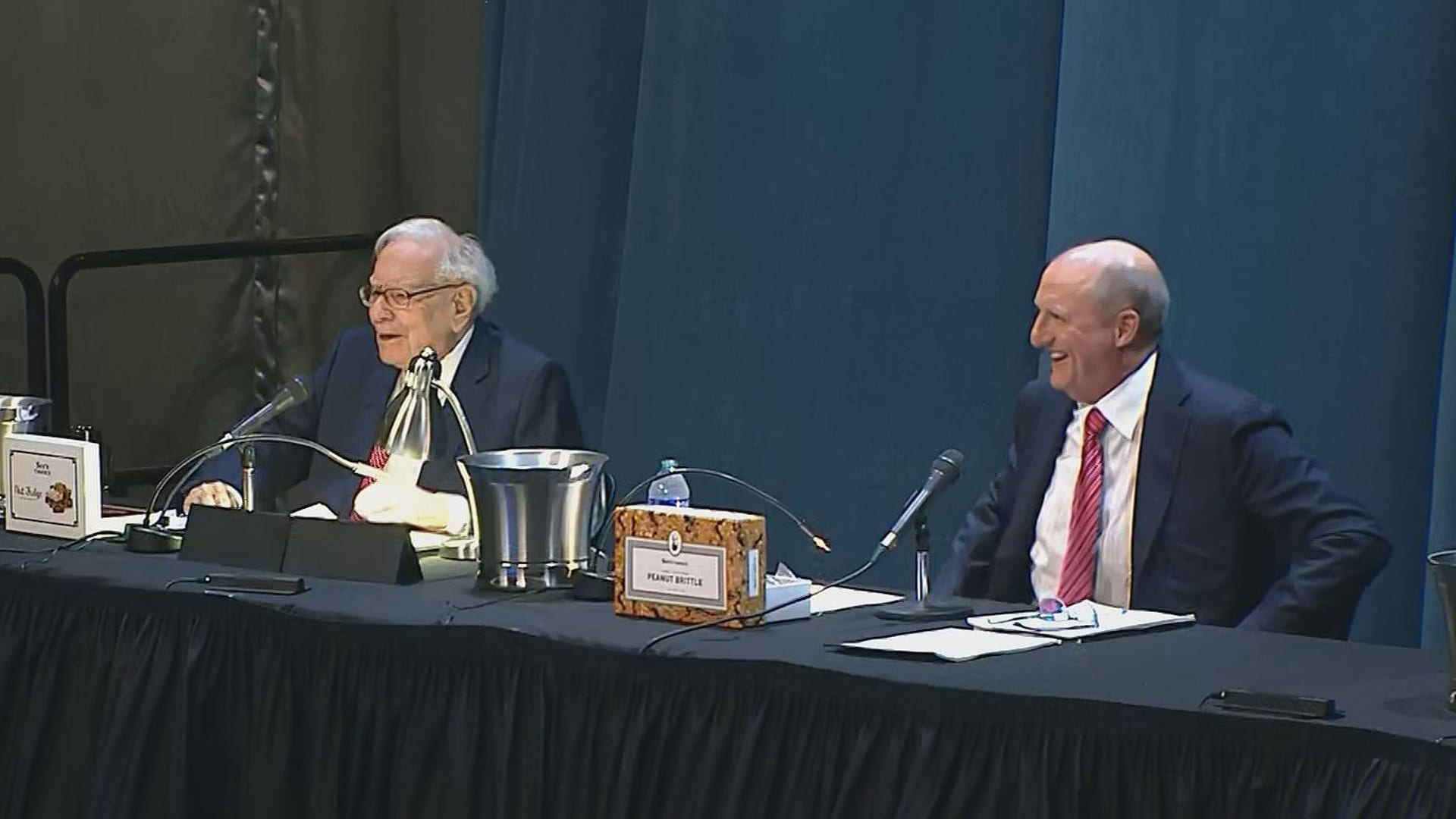
- Berkshire Hathaway invests $2.6 billion in Delta Air Lines
- Delta becomes Berkshire’s 14th-largest holding
- Company returns to airline stocks after eight-year absence
Berkshire Hathaway has resumed investing in airlines, purchasing a $2.6 billion stake in Delta Air Lines, the company revealed in its latest regulatory filing. The Omaha-based conglomerate, led by Warren Buffett, last held airline stocks in 2016 before selling off its entire position in the sector.
The stake in Delta represents Berkshire’s largest airline investment in nearly a decade. At the end of March, the company’s holdings in Delta were valued at $2.6 billion, making it the 14th-largest position in Berkshire’s $400 billion-plus equity portfolio. The filing, submitted to the U.S. Securities and Exchange Commission, did not detail Berkshire’s purchase timing or strategy.
The move marks a shift from Berkshire’s prior stance on airlines. Buffett had previously called the airline industry a ‘death trap for investors,’ criticizing its high capital requirements and cyclical nature. Berkshire exited its airline holdings in 2020 amid the COVID-19 pandemic’s devastation to the travel sector, selling all shares in American Airlines, Delta Air Lines, Southwest Airlines, and United Airlines.
Berkshire’s evolving stance on airline stocks
Analysts suggest Berkshire’s renewed interest may reflect confidence in the airline industry’s recovery post-pandemic. U.S. airlines have posted record profits in recent years, driven by strong demand and reduced competition. Delta, one of the largest U.S. carriers, has benefited from this trend, reporting $6.4 billion in net income for 2023.
Berkshire’s investment could also signal broader market confidence in the sector. The company has historically favored stable, cash-generating businesses, and airlines now fit that profile better than in past decades. Industry consolidation and disciplined capacity management have reduced volatility, making airlines more attractive to long-term investors.
Regulatory filing reveals portfolio adjustments
The disclosure aligns with Berkshire’s quarterly reporting requirements. While the filing did not specify whether Berkshire purchased shares directly or through derivatives, the size of the stake suggests a significant commitment. The company’s top holdings remain in Apple, Bank of America, and Coca-Cola.
Industry watchers will scrutinize Berkshire’s next moves. The conglomerate has a history of long-term holdings, and its Delta investment may indicate a broader bet on the airline sector. If Berkshire increases its position, it could influence investor sentiment toward airlines.
The investment also raises questions about Buffett’s evolving views on the industry. His past criticisms included airlines’ reliance on debt and vulnerability to economic downturns. However, the post-pandemic recovery and structural improvements may have changed his assessment. Berkshire’s decision to re-enter the sector could signal a new phase for airline investments.
What You Need to Know
- Source: CNBC
- Published: May 15, 2026 at 20:50 UTC
- Category: Business
- Topics: #cnbc · #finance · #economy · #travel · #airline · #flight
Read the Full Story
This is a curated summary. For the complete article, original data, quotes and full analysis:
All reporting rights belong to the respective author(s) at CNBC. GlobalBR News summarizes publicly available content to help readers discover the most relevant global news.
Curated by GlobalBR News · May 15, 2026
Related Articles
- Lawyers sanctioned $110K for fake AI citations in landmark Oregon case
- Putin to meet Xi in Beijing May 19-20 after Trump visit
🇧🇷 Resumo em Português
O megainvestidor Warren Buffett, dono do conglomerado Berkshire Hathaway, voltou a apostar nas aéreas com um aporte bilionário de US$ 2,6 bilhões na Delta Air Lines, após oito anos longe do setor. A movimentação, revelada em comunicado regulatório, reforça a confiança do bilionário no setor aéreo, que ainda enfrenta dificuldades financeiras em meio a crises como a pandemia e a alta dos combustíveis.
A decisão da Berkshire não só surpreende pelo timing, como também levanta questões sobre a saúde do mercado aéreo global e sua recuperação pós-crise. Para o Brasil, que tem a aviação como um pilar econômico — com empresas como LATAM e Azul dependentes do setor —, a movimentação pode sinalizar um otimismo renovado, embora os riscos persistam. Analistas veem o movimento como um voto de confiança na capacidade das aéreas de gerar caixa e se recuperar, mas o cenário ainda é incerto, especialmente com a volatilidade dos preços do querosene de aviação.
Com a Berkshire Hathaway de volta ao jogo, o mercado deve ficar atento a novas jogadas do investidor e ao impacto nos papéis das aéreas, tanto nos EUA quanto no Brasil.
🇪🇸 Resumen en Español
Warren Buffett, el legendario inversor detrás de Berkshire Hathaway, vuelve a apostar por el sector aéreo tras ocho años de ausencia, adquiriendo un paquete accionario en Delta Air Lines por valor de 2.600 millones de dólares. La operación, revelada en un documento regulatorio, confirma el interés renovado de la firma por una industria que, pese a su alta volatilidad, sigue siendo clave en la economía global.
La maniobra no solo refleja la confianza de Buffett en la recuperación y solidez de las aerolíneas, sino que también envía una señal clara al mercado: el sector aéreo, golpeado por crisis como la pandemia y la inflación reciente, comienza a recuperar el favor de los grandes inversores. Para los hispanohablantes, este movimiento tiene implicaciones más allá de los mercados financieros, ya que afecta a millones de pasajeros y empresas que dependen de la conectividad aérea. Además, en un contexto de alza de precios y tensiones geopolíticas, la decisión de Berkshire Hathaway podría interpretarse como un voto de optimismo hacia la estabilidad futura de las rutas internacionales y el comercio global.
CNBC
Read full article at CNBC →This post is a curated summary. All rights belong to the original author(s) and CNBC.
Was this article helpful?


Discussion