Massive-roofed Chinese SUVs appeared in Trump’s Beijing motorcade during his 2017 visit.
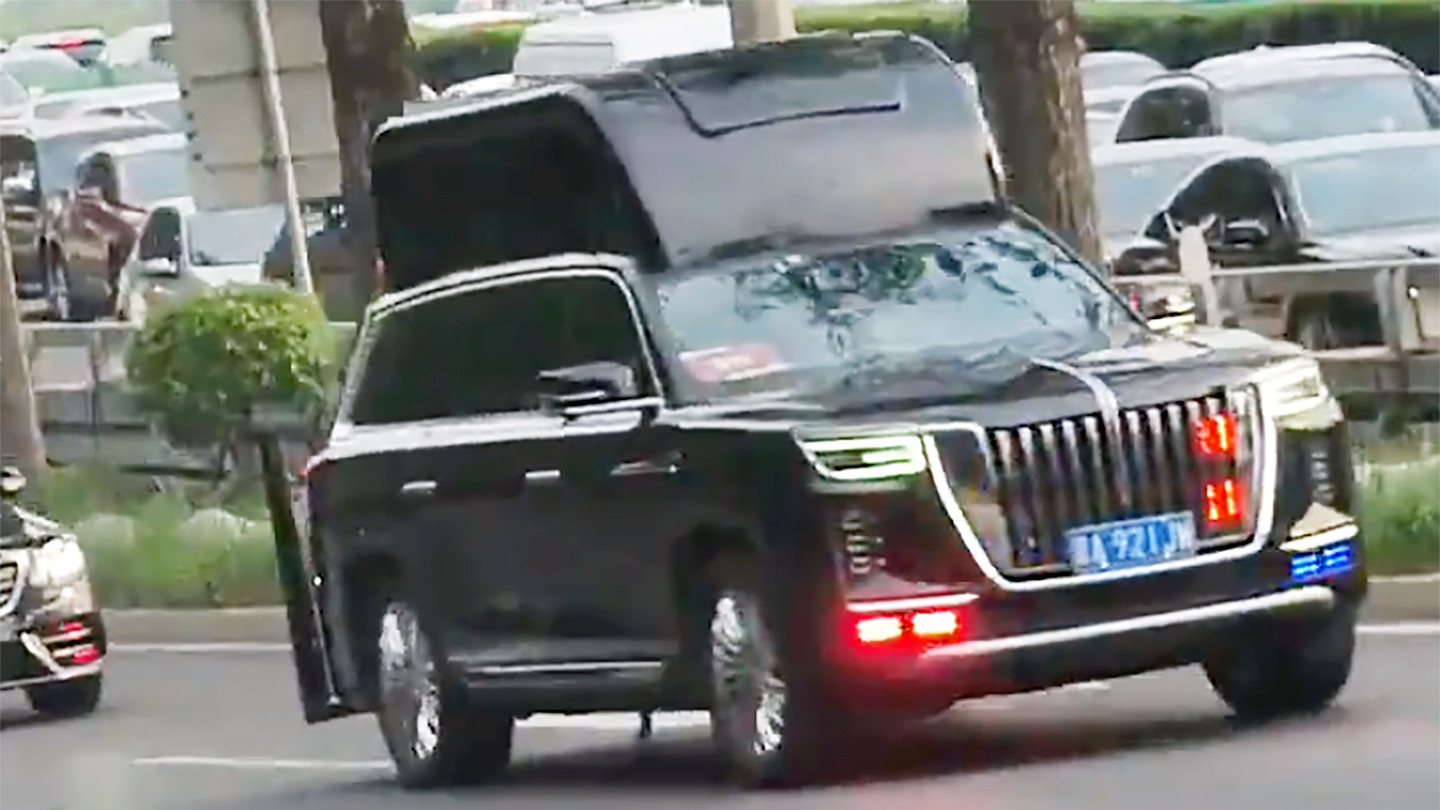
- Trump’s Beijing motorcade featured two unusually configured Chinese SUVs
- The SUVs had massive custom roof structures not seen before
- The vehicles appeared during Trump’s 2017 state visit with Xi Jinping
President Donald Trump’s motorcade through Beijing during his 2017 state visit with Chinese leader Xi Jinping Xi Jinping included two Chinese SUVs with unusually large custom roof structures. The vehicles stood out among the standard motorcade security vehicles, drawing significant attention from onlookers and online observers. The motorcade, which stretched hundreds of meters with flashing police lights, became a viral spectacle in China, with bystanders capturing and sharing footage of the procession.
The SUVs, loaded with roof-mounted equipment, did not match any known Chinese security vehicle configurations. Analysts noted the modifications appeared designed to accommodate advanced communication or surveillance gear, though no official explanation was provided. Other vehicles in the motorcade also featured smaller roof additions, but none matched the scale of the two primary SUVs. Video footage from the day shows the procession moving through central Beijing, with the oversized vehicles positioned near the front of the line.
Security experts described the motorcade as one of the largest ever deployed for a foreign leader in China. The inclusion of the custom-roofed SUVs suggested a heightened level of preparedness, possibly for intelligence gathering or secure communications during the high-profile meetings. While Chinese state media did not comment on the vehicles, social media users in China extensively discussed the unusual sight, with some calling it the most elite security convoy they had ever seen.
The state visit, which concluded on the same day as the motorcade appearance, included meetings between Trump and Xi Jinping at the Great Hall of the People. The discussions covered trade, North Korea, and regional security, with both leaders emphasizing the importance of U.S.-China relations. The unusual vehicles in the motorcade raised questions about China’s security protocols for foreign dignitaries and the potential use of specialized equipment.
No further details about the SUVs’ purpose or origin have been released by either the U.S. or Chinese governments. The vehicles remain a subject of speculation among security analysts and online observers. Similar configurations have not been documented in subsequent Chinese motorcades, suggesting the setup was tailored specifically for Trump’s visit. The incident highlighted the extensive measures taken to ensure the safety of high-profile international leaders during diplomatic engagements.
China’s approach to motorcade security often reflects its broader security priorities, which include strict control over public appearances of foreign officials. The inclusion of the custom-roofed SUVs may have been intended to project both strength and preparedness during the visit. While the exact function of the roof modifications remains unclear, the vehicles served as a visible symbol of the extensive security operation surrounding the Trump-Xi meetings.
What You Need to Know
- Source: The Drive
- Published: May 15, 2026 at 22:54 UTC
- Category: War
- Topics: #military · #weapons · #conflict · #politics · #government · #mysterious-chinese
Read the Full Story
This is a curated summary. For the complete article, original data, quotes and full analysis:
All reporting rights belong to the respective author(s) at The Drive. GlobalBR News summarizes publicly available content to help readers discover the most relevant global news.
Curated by GlobalBR News · May 15, 2026
Related Articles
🇧🇷 Resumo em Português
O mundo assistiu perplexo quando, durante a visita de Estado do então presidente dos EUA, Donald Trump, à China em 2017, dois SUVs chineses de dimensões colossais e tetos sob medida chamaram a atenção nas ruas de Pequim, integrando a comitiva presidencial americana. As imagens, viralizadas na época, revelavam não apenas um detalhe curioso da logística de segurança, mas também um recado simbólico: a China não apenas dominava a produção de veículos utilitários esportivos em escala industrial, como também detinha a capacidade de personalizar soluções para os mais altos escalões do poder global.
O episódio, aparentemente simples, ganhou contornos estratégicos quando analisado sob a ótica das relações internacionais e da indústria de defesa. Naquele momento, a China já emergia como um player incontestável na fabricação de veículos blindados e de alta performance, muitos deles destinados a governos estrangeiros — inclusive aliados dos Estados Unidos. Para o Brasil, que historicamente importa tecnologia militar e veículos de transporte de autoridades, o episódio serviu como um alerta: a dependência de soluções estrangeiras em setores sensíveis expunha o país a riscos logísticos e geopolíticos. Além disso, a habilidade chinesa de adaptar seus produtos a demandas específicas de lideranças mundiais mostrava um avanço não só industrial, mas também em inteligência estratégica, algo que o Brasil precisaria monitorar de perto.
A presença desses veículos na comitiva de Trump revelou, sobretudo, que a China já não era apenas uma fábrica global, mas um ator capaz de influenciar — e até ditar — padrões em setores críticos, inclusive aqueles ligados à segurança de nações rivais.
🇪🇸 Resumen en Español
Dos vehículos todoterreno chinos de diseño inusual llamaron la atención en el convoy presidencial durante la visita de Estado de Donald Trump a Pekín en 2017, destacando por sus enormes techos personalizados que generaron especulaciones sobre su posible uso en comunicaciones protegidas. Las imágenes del momento, difundidas luego por medios internacionales, revelaron un detalle poco común en los desplazamientos oficiales de alto nivel.
Aunque China ha invertido fuertemente en modernizar su flota de transporte para líderes y visitas extranjeras, los SUV con techos elevados —similares a los usados por servicios de inteligencia— sugirieron la posibilidad de que albergaran equipos de comunicación segura. Para la audiencia hispanohablante, este episodio subraya cómo las cumbres diplomáticas se han convertido en escenarios donde tecnología y protocolo se entrelazan, reflejando tensiones geopolíticas y la constante evolución de los métodos de protección en viajes de Estado.
The Drive
Read full article at The Drive →This post is a curated summary. All rights belong to the original author(s) and The Drive.
Was this article helpful?


Discussion