Protests erupt over alleged murder of 14-year-old Aboriginal girl, spotlighting Australia's racial inequalities.
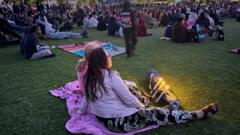
- Protests erupt over alleged murder of 14-year-old Aboriginal girl
- Case exposes systemic inequalities in Australian society
- Police investigate death amid public outrage
Protests erupted across Australia this week after reports emerged of the alleged murder of a 14-year-old Aboriginal girl, highlighting deep-seated inequalities in the country’s treatment of Indigenous communities. The case has drawn condemnation from activists, politicians, and the public, with calls for justice and systemic change growing louder by the day.
The incident took place in remote Northern Territory, a region known for persistent disparities in health, education, and policing. Local police confirmed they were investigating the death but declined to provide further details, citing the sensitivity of the case. The girl’s family has spoken publicly about their grief and frustration, demanding a thorough and transparent investigation.
The alleged murder has reignited debates about systemic racism and the failure of Australian institutions to protect Indigenous Australians. Advocacy groups point to statistics showing Indigenous Australians are overrepresented in the criminal justice system and face higher rates of violence and poverty. Protests have been held in major cities, including Sydney and Melbourne, with demonstrators carrying signs that read “Justice for [girl’s name]” and “Stop killing us.”
Australia’s Prime Minister Anthony Albanese has acknowledged the “deep pain and anger” felt by many in the community. In a statement, he called for calm while emphasizing the need for accountability. “We must ensure that every Australian, regardless of background, feels safe and protected,” he said. The federal government has also pledged to review policies affecting Indigenous communities, though critics argue past promises have fallen short.
Australia’s Indigenous inequalities under scrutiny
The case has thrust into the spotlight the broader issue of Australia’s treatment of its Indigenous population, who make up about 3.8% of the country’s 26 million people. Indigenous Australians die an average of 8 years younger than non-Indigenous Australians, according to government data. They are also more likely to experience incarceration, child removal, and discrimination in healthcare and education.
Activists argue that the alleged murder of the 14-year-old girl is not an isolated incident but part of a pattern of violence and neglect. “This is not just about one tragedy—it’s about generations of systemic failures,” said Lidia Thorpe, a Senator and Indigenous rights advocate. She called for urgent reforms, including better policing, housing, and education in Indigenous communities.
Calls for justice and systemic change
The girl’s death has become a rallying point for Indigenous rights groups, who are demanding immediate action. Protesters in Sydney’s central business district chanted slogans and held vigils, while similar demonstrations were reported in Brisbane and Perth. Social media has amplified the outrage, with the hashtag #JusticeFor[girl’s name] trending across the country.
Legal experts and human rights organizations have criticized the slow pace of investigations in cases involving Indigenous victims. They point to a history of underreporting and misconduct in such cases, which has eroded trust in authorities. “When a child dies under suspicious circumstances, the response must be swift and transparent,” said Megan Davis, a human rights lawyer and Indigenous academic.
The Northern Territory Police have faced scrutiny over their handling of past cases involving Indigenous Australians. In 2021, a royal commission into youth detention in the territory exposed widespread abuse and neglect of Indigenous children. Critics argue that the system has failed to change, despite repeated calls for reform.
What happens next?
The investigation into the girl’s death is ongoing, with authorities promising to follow all leads. Meanwhile, Indigenous leaders and activists are pushing for policy changes to address the root causes of inequality. The federal government has signaled it may introduce new measures to improve safety and opportunity in Indigenous communities, though details remain unclear.
For many Australians, the case serves as a stark reminder of the work that remains to be done. As one protester in Melbourne put it, “We won’t stop until every Indigenous child is safe, and every life matters equally.” The outcome of this investigation and the response from authorities will be closely watched by both the public and advocacy groups.
What You Need to Know
- Source: BBC News
- Published: May 15, 2026 at 20:37 UTC
- Category: World
- Topics: #bbc · #world-news · #international · #alleged · #aboriginal · #australia
Read the Full Story
This is a curated summary. For the complete article, original data, quotes and full analysis:
All reporting rights belong to the respective author(s) at BBC News. GlobalBR News summarizes publicly available content to help readers discover the most relevant global news.
Curated by GlobalBR News · May 15, 2026
Related Articles
- Zimbabwe’s diaspora reshapes real estate and farming investment trends
- Eurovision 2024 faces scrutiny over Israel’s participation amid war
- War in the Middle East: Israel targets top Hamas leader in Gaza
🇧🇷 Resumo em Português
O desaparecimento e a suposta morte de uma menina aborígine de 14 anos na Austrália escancarou mais uma vez as profundas desigualdades que persistem no país, reacendendo ondas de protestos pelo mundo. O caso, que chocou a população local e internacional, reforça a urgência de medidas concretas contra o racismo estrutural e a violência sistemática sofrida pelos povos originários australianos.
A Austrália enfrenta há décadas críticas por sua incapacidade de combater as disparidades sociais enfrentadas pelos aborígines, que ainda lutam por direitos básicos como saúde, educação e segurança. No Brasil, onde a população indígena também sofre com violência e marginalização, o caso serve como um alerta sobre os riscos de se naturalizar a opressão contra minorias étnicas. A repercussão do episódio pode inspirar debates sobre políticas públicas inclusivas em outros países, especialmente naqueles que, como o Brasil, também carregam um histórico de colonização violenta e exclusão social.
Enquanto as investigações avançam e os protestos ganham força, a pressão internacional pode forçar o governo australiano a assumir compromissos reais com a justiça social para os povos originários.
🇪🇸 Resumen en Español
Un nuevo caso de violencia contra una menor aborigen enciende la mecha de la indignación en Australia, donde la justicia social sigue siendo una asignatura pendiente. La presunta muerte de una adolescente de 14 años, perteneciente a la comunidad originaria, ha reavivido las protestas que exigen medidas urgentes contra las desigualdades estructurales que persisten en el país.
El contexto no es nuevo: Australia arrastra décadas de discriminación sistemática contra los pueblos aborígenes, con tasas alarmantes de pobreza, violencia y encarcelamiento que superan con creces a las de la población no indígena. Este crimen, que se suma a una larga lista de casos no resueltos, refleja la impunidad con la que operan los prejuicios y la falta de políticas efectivas para proteger a las comunidades más vulnerables. Para los hispanohablantes, este escenario debería servir como espejo de las luchas globales por los derechos indígenas, recordando que la lucha contra el racismo y la desigualdad trasciende fronteras.
BBC News
Read full article at BBC News →This post is a curated summary. All rights belong to the original author(s) and BBC News.
Was this article helpful?
Discussion