Britain throws away 6m vapes daily, costing £1bn a year to recycle as banned disposables pile up.
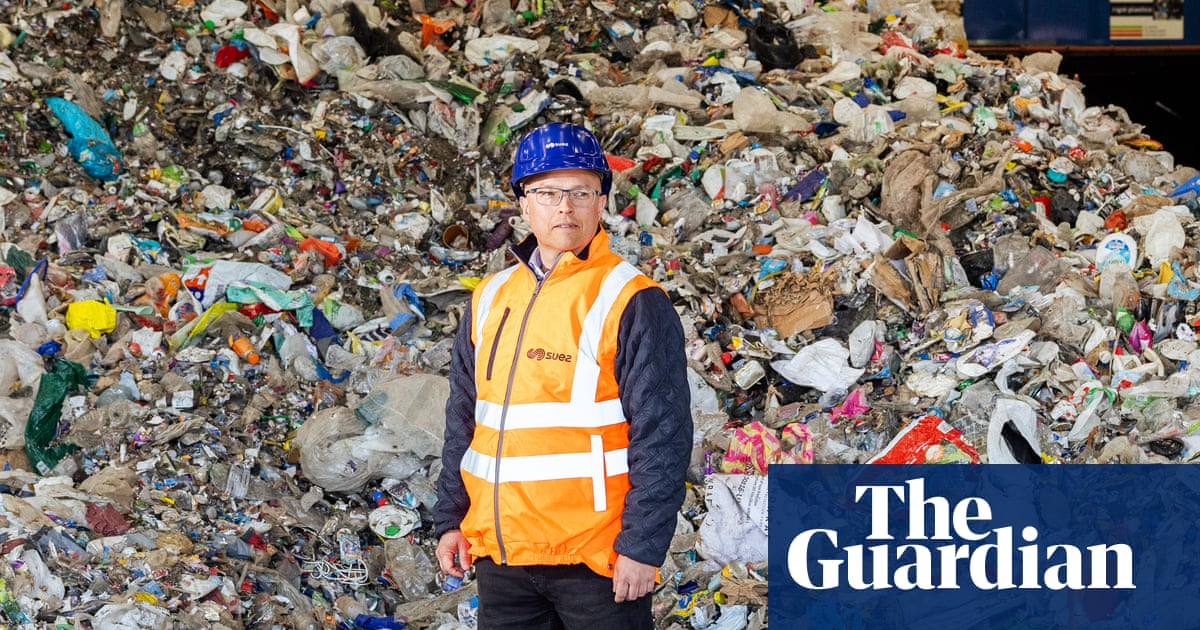
- Recycling plants now face £1bn yearly costs from 6m discarded vapes
- Workers like Ana smash devices by hand to extract toxic batteries and metals
- Ban on disposables hasn’t stopped the flood of waste clogging UK recycling
The warehouse floor at the Suez recycling plant near Birmingham is scattered with crushed vape shells and loose batteries. Ana, a site operative, has just finished her afternoon shift. In front of her sits a bucket with 40 half-dismantled vapes—she’s already cracked open half the bucket with a hammer. “It’s not just the plastic,” she says, holding up a lithium battery. “These things are full of lithium, lead, and nickel. They can’t go in the regular bin.” Each vape takes her about 90 seconds to break apart, peeling out the batteries, circuit boards, and plastic casings. The lithium alone needs special handling to avoid fires. Last year, the plant dealt with 12,000 tonnes of vape waste—up from 6,000 tonnes in 2021. That’s about 6 million vapes a day across Britain, according to waste industry estimates. The numbers are staggering because of how quickly disposables became popular. In 2023, Brits bought 1.3 billion disposable vapes—enough to circle the planet if laid end to end. The problem is they’re banned now, but the waste keeps piling up. The ban on disposable vapes only came into force in April 2024, but enforcement is lagging. Shops still sell them under loopholes, and online sellers dodge regulations. Meanwhile, the waste mountain grows. ## Why vapes are a recycling nightmare Each vape contains a mix of materials that don’t play nice together. The lithium-ion batteries risk sparking fires if crushed or pierced. The plastic casings often melt at high temperatures, gumming up machinery. And the tiny circuit boards are packed with rare metals like cobalt and gold—valuable, but nearly impossible to extract cleanly. “You can’t just chuck them in a shredder,” says Mark Harvey, operations manager at Suez’s West Bromwich plant. “One wrong move and you’ve got a fire on your hands or you’ve ruined a whole batch of recyclables.” The cost of processing vape waste has tripled in three years. Suez now spends £250,000 a month just handling vape-related waste at its UK plants. That’s money that could go toward recycling plastic bottles or cardboard instead. Industry analysts say the total bill for the UK is around £1 billion a year—paid for by taxpayers and businesses. ## Who’s responsible—and who’s not The government insists the burden falls on manufacturers and retailers. But the UK Vaping Industry Association admits only 15% of vapes are properly recycled. The rest end up in landfills, incinerators, or worse—down the drain. “We’ve got a generation of people who think vaping is disposable,” says Dr. Sarah Locker, an environmental toxicologist at Imperial College London. “But these devices last longer than a coffee cup, and they’re poisoning the soil and water when they leak.” Local councils are overwhelmed. In Manchester, the city council has installed vape-specific bins in some areas, but they’re rarely used. “People don’t know what to do with them,” says a council spokeswoman. “They’re not like batteries or plastic bottles—they’re a whole new category of waste.” ## What’s being done—and what’s not Most vape recycling schemes rely on manual labor. Companies like EcoVape and Totally Wicked offer mail-back programs, but they’re voluntary and underused. The Environment Agency has fined shops for selling banned disposables, but the black market thrives online. Meanwhile, the government’s Extended Producer Responsibility scheme, meant to make brands pay for recycling, is stuck in consultation. “We’re three years behind where we should be,” says Harvey. “The ban was a step, but without real enforcement and infrastructure, it’s just moving the problem around.” Some companies are trying to innovate. British American Tobacco has launched a vape recycling trial in Nottingham, where users can drop off used devices at specific stores. But it’s a drop in the ocean compared to the scale of the problem. The bigger issue is design. Most vapes are built to be cheap and disposable, not recyclable. Even with the ban, the waste will keep coming for years as people hold onto old devices. ## What happens next? The government’s next move is a consultation on vape recycling standards, expected by the end of 2024. It might force manufacturers to redesign devices with recycling in mind—or at least pay for the mess they’ve created. But for now, workers like Ana will keep smashing vapes with hammers, one painful component at a time. The real fix won’t come from recycling plants—it’ll come from better products, stricter rules, and a change in how people see vaping. Until then, Britain’s vape waste mountain keeps growing.
What You Need to Know
- Source: The Guardian
- Published: May 17, 2026 at 08:00 UTC
- Category: Environment
- Topics: #guardian · #climate · #environment · #fire · #britain · #despite
Read the Full Story
This is a curated summary. For the complete article, original data, quotes and full analysis:
All reporting rights belong to the respective author(s) at The Guardian. GlobalBR News summarizes publicly available content to help readers discover the most relevant global news.
Curated by GlobalBR News · May 17, 2026
Related Articles
🇧🇷 Resumo em Português
O Brasil, que já enfrenta desafios monumentais com o lixo eletrônico, pode aprender com o caos ambiental que se instalou no Reino Unido: o descarte inadequado de mais de 6 milhões de cigarros eletrônicos descartáveis por dia está gerando um prejuízo de quase R$ 6 bilhões anuais em reciclagem, além de contaminar solos e rios com metais pesados. Enquanto a Inglaterra tenta conter o problema com a proibição gradual desses dispositivos, o Brasil segue sem uma política clara para lidar com o crescente mercado de vapes, que cresce de forma descontrolada, especialmente entre jovens — um risco que vai muito além da saúde pública.
A situação no Reino Unido serve como um alerta urgente para o Brasil, onde a falta de fiscalização e ausência de sistemas de coleta específicos para eletrônicos descartáveis já vêm gerando danos ambientais irreversíveis. A reciclagem manual, praticada em galpões superlotados, expõe trabalhadores a substâncias tóxicas, enquanto o material plástico e as baterias se acumulam em aterros, liberando poluentes que atingem diretamente biomas como a Amazônia e o Pantanal. Especialistas brasileiros já soam o alarme: sem legislação específica e com um mercado informal de vapes em expansão, o país caminha para uma crise ainda maior do que a europeia.
A próxima década será decisiva: enquanto a União Europeia avança com leis que obrigam fabricantes a arcar com a logística reversa, o Brasil precisa urgentemente regulamentar o setor — ou enfrentar um passivo ambiental que custará muito mais do que dinheiro.
The Guardian
Read full article at The Guardian →This post is a curated summary. All rights belong to the original author(s) and The Guardian.
Was this article helpful?


Discussion