Three cruise ship passengers, including a British man, were evacuated to the Netherlands after hantavirus symptoms appeared aboard the MV Hondius.
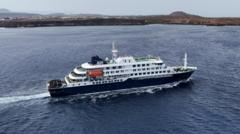
- Three passengers evacuated from MV Hondius after hantavirus symptoms appeared
- British man among evacuees sent to Netherlands for medical evaluation
- Cruise ship continued to Canary Islands while authorities investigated
The MV Hondius, a polar expedition cruise ship operated by Hornblower Group, was en route to the Canary Islands on Saturday when three passengers were evacuated to the Netherlands after displaying symptoms consistent with hantavirus infection. The ship, which had departed from Antwerp, Belgium, was carrying approximately 180 passengers and 90 crew members at the time of the incident.
Ship diverted for medical evacuation
The evacuation occurred mid-voyage, with the passengers flown to Amsterdam for medical evaluation at a specialized infectious disease unit. Authorities in the Netherlands confirmed the evacuees were isolated upon arrival, though no further details were immediately released about their condition. The Dutch National Institute for Public Health and the Environment (RIVM) stated it was coordinating with international health agencies to monitor the situation.
The MV Hondius, built in 2019 and certified for polar expeditions, had not previously reported outbreaks of infectious diseases during its operations. The ship’s operator, Hornblower Group, issued a statement confirming the evacuation but declined to provide additional comment on the health status of the passengers or crew. The vessel was scheduled to dock in Las Palmas de Gran Canaria within days, though its itinerary remained unchanged despite the incident.
Hantavirus: rare but serious
Hantavirus is a rare but potentially deadly virus spread primarily through contact with rodent urine, droppings, or saliva. Human infections typically occur when someone breathes in aerosolized particles from contaminated areas, such as cabins or common spaces where rodents may have been present. Symptoms often resemble those of the flu, including fever, muscle aches, and fatigue, but can progress to severe respiratory distress and organ failure in severe cases.
The World Health Organization (WHO) reports that hantavirus cases are uncommon but have been documented in Europe, particularly in regions with rodent infestations. The virus does not spread from person to person, reducing the risk of widespread transmission aboard the ship. However, health authorities are expected to conduct thorough inspections of the vessel upon its arrival in the Canary Islands to rule out contamination.
Cruise industry faces ongoing health scrutiny
This incident adds to ongoing concerns about health and safety protocols in the cruise industry, which has faced multiple challenges since the COVID-19 pandemic. Cruise lines have implemented stricter sanitation and monitoring measures, though outbreaks of other viruses, such as norovirus, have still occurred. The MV Hondius, like other expedition ships, operates in remote regions where medical evacuations can be logistically complex, making proactive health monitoring critical.
Authorities in the Canary Islands have not yet confirmed whether additional precautions will be taken when the ship arrives. The vessel’s medical team is reportedly conducting contact tracing among passengers and crew to identify anyone who may have been exposed. Further updates are expected in the coming days as health officials review test results and environmental assessments from the ship.
What You Need to Know
- Source: BBC News
- Published: May 07, 2026 at 09:40 UTC
- Category: Health
- Topics: #bbc · #health · #medicine · #virus · #disease · #hantavirus
Read the Full Story
This is a curated summary. For the complete article, original data, quotes and full analysis:
All reporting rights belong to the respective author(s) at BBC News. GlobalBR News summarizes publicly available content to help readers discover the most relevant global news.
Curated by GlobalBR News · May 07, 2026
Related Articles
- Why ‘Ballmaxxing’ May Be More Dangerous Than You Think
- Woman thrives 30 years after 1996 HIV diagnosis at age 74
- 18 Americans airlifted home after hantavirus outbreak on cruise ship
🇧🇷 Resumo em Português
Um surto de hantavírus a bordo de um navio de expedição na Antártida levou à evacuação emergencial de três passageiros com sintomas suspeitos para a Holanda, após o diagnóstico confirmado da doença em outros tripulantes. O incidente ocorreu no navio MV Hondius, que transportava cientistas e turistas em uma expedição na região, levantando alertas sobre os riscos de contaminação em ambientes fechados e isolados, especialmente em meio à temporada de viagens polares.
No Brasil, onde doenças transmitidas por roedores como o hantavírus já são monitoradas pelo Ministério da Saúde — com casos registrados principalmente na região Sul —, a notícia reforça a importância da vigilância em viagens internacionais e do controle de pragas em embarcações. Especialistas brasileiros destacam que, embora o hantavírus seja raro, sua letalidade exige atenção redobrada em ambientes com aglomeração e pouca ventilação, como navios e acampamentos. O caso do MV Hondius serve como alerta para o setor de turismo e saúde pública sobre a necessidade de protocolos rígidos de biossegurança.
A situação ainda está em apuração, e as autoridades holandesas devem divulgar mais detalhes sobre o estado de saúde dos evacuados, enquanto o navio permanece sob investigação epidemiológica.
🇪🇸 Resumen en Español
Tres pasajeros del crucero hondureño MV Hondius, afectado por un brote de hantavirus, fueron trasladados urgentemente a Países Bajos tras manifestar síntomas preocupantes. La alerta sanitaria en el buque, que ya había registrado varios casos entre su tripulación, reavivó el debate sobre los riesgos de contagio en espacios cerrados y la necesidad de protocolos estrictos en entornos de alta densidad humana.
El incidente pone de relieve la vulnerabilidad de los viajes en crucero ante brotes de enfermedades infecciosas, especialmente en regiones donde el hantavirus —transmitido por roedores— es endémico. Para los lectores hispanohablantes, este caso sirve de recordatorio sobre la importancia de extremar precauciones en zonas con posible exposición a roedores, así como de exigir medidas de prevención en buques y otros espacios compartidos, donde pequeños focos pueden escalar rápidamente.
BBC News
Read full article at BBC News →This post is a curated summary. All rights belong to the original author(s) and BBC News.
Was this article helpful?



Discussion