WHO declares DRC’s Ebola outbreak a global health emergency after 246 cases and 80 deaths.

- WHO declares DRC Ebola outbreak a global emergency
- 246 cases and 80 deaths reported so far
- DRC government calls it a serious but contained threat
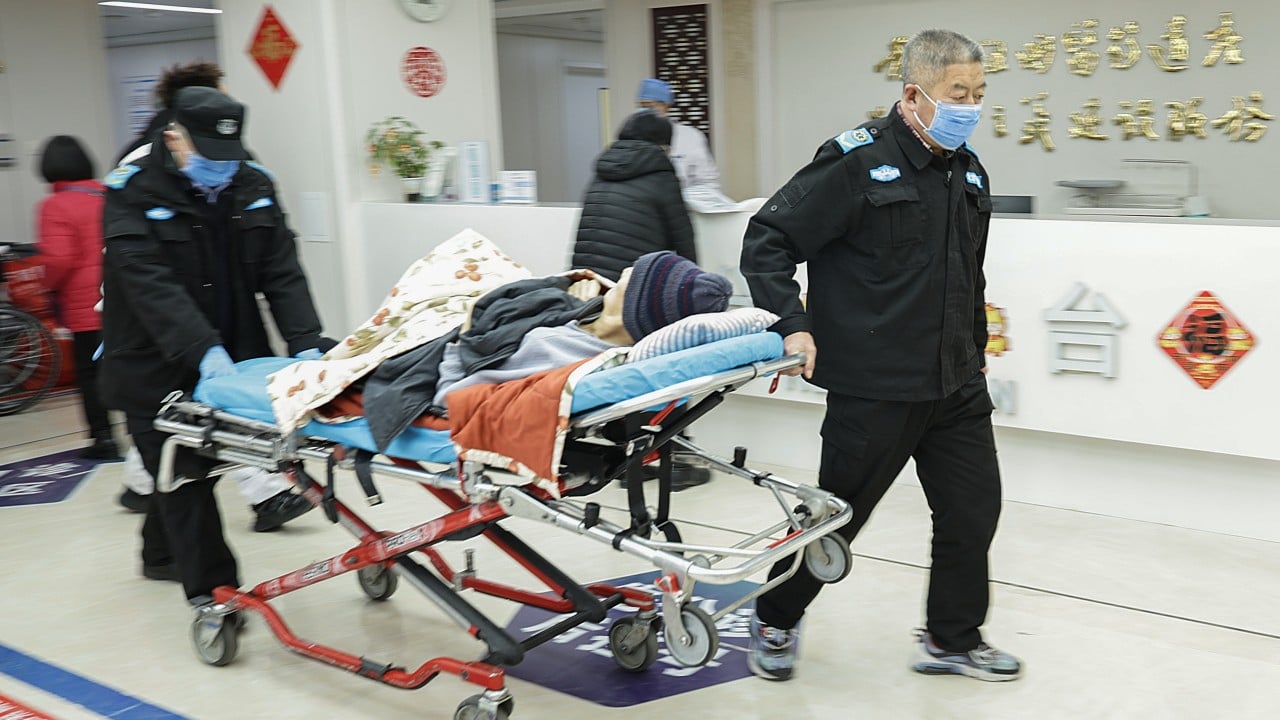
The World Health Organization (WHO) announced Wednesday that the Ebola outbreak in the Democratic Republic of Congo (DRC) now qualifies as a Public Health Emergency of International Concern (PHEIC). The declaration came after the agency’s emergency committee met to assess the situation, which has sickened 246 people and killed 80 since the outbreak began in August 2018. The committee stressed that while the outbreak is serious, it doesn’t yet meet the threshold for a pandemic emergency. WHO Director-General Tedros Adhanom Ghebreyesus called the situation “serious and concerning” but said the risk of international spread remains low outside the region.
The outbreak is centered in the northeastern provinces of North Kivu and Ituri, where armed conflict and community mistrust have hampered efforts to contain the virus. More than 194,000 people have received the experimental Ebola vaccine, but cases continue to emerge, often in hard-to-reach areas. The DRC’s health ministry reported that 80 people have died, including 51 confirmed Ebola cases and 29 probable ones. Health workers have confirmed cases in Uganda as well, though no deaths have been reported there. The WHO committee noted that the risk of spread to neighboring countries is moderate, but the declaration aims to mobilize more resources and attention.
Why this declaration matters
Declaring a PHEIC is WHO’s highest alert level and triggers international support for containment. It’s only the fifth such declaration since the rule was created in 2005, following outbreaks like Zika in 2016 and Ebola in West Africa in 2014. The move puts pressure on governments and aid groups to step up funding and logistical help. The DRC government welcomed the declaration but emphasized that the outbreak is under control within the country. Health Minister Oly Ilunga Kalenga said the country has the tools to manage the situation but needs more money to stop the spread.
Critics argue the declaration is long overdue. Médecins Sans Frontières (MSF) warned last month that the outbreak could spiral without stronger action. The group said vaccination campaigns and safe burials are being disrupted by violence and community resistance. Local leaders say people are refusing vaccines because they don’t trust health workers or fear the government. Some communities blame the virus on political manipulation or foreign interference, making outreach even harder.
What happens next
The WHO’s declaration doesn’t change how the outbreak is handled on the ground, but it puts the world on notice. Countries are now legally required to report any suspected cases crossing their borders, and airlines may face stricter screening rules. The UN health agency is asking for $98 million to fund its response through September, but only about half of that has been pledged so far. The DRC government is also seeking $40 million from international donors to support its own efforts.
Health experts say the biggest risk isn’t a global pandemic—it’s that the outbreak drags on for years, becoming the new normal in eastern DRC. The virus has already outlasted the 2014–2016 West Africa outbreak, which killed more than 11,000 people. Unlike that crisis, this one is unfolding in a war zone, where armed groups control swaths of territory and mistrust of outsiders runs deep. The longer it lasts, the harder it gets to track and treat cases.
For now, the focus is on vaccinating more people, tracking contacts, and safely burying the dead. But without a ceasefire in the region’s conflicts and stronger community engagement, the outbreak could keep smoldering. The WHO’s emergency declaration is a warning shot—one that says the world can’t afford to look away.
What You Need to Know
- Source: BBC News
- Published: May 17, 2026 at 02:55 UTC
- Category: World
- Topics: #bbc · #world-news · #international · #health · #pandemic · #disease
Read the Full Story
This is a curated summary. For the complete article, original data, quotes and full analysis:
All reporting rights belong to the respective author(s) at BBC News. GlobalBR News summarizes publicly available content to help readers discover the most relevant global news.
Curated by GlobalBR News · May 17, 2026
Related Articles
- 🎉 250 Articles in World!
- Bulgaria wins Eurovision 2025 with Dara’s historic victory
- ‘She was phenomenal, she was iconic’: Delta Goodrem wins praise as Australia places fourth at Eurovision
🇧🇷 Resumo em Português
A Organização Mundial da Saúde (OMS) decretou emergência sanitária global pela segunda vez em menos de dois meses devido ao surto de Ebola na República Democrática do Congo (RDC), uma decisão que acende o alerta sobre os riscos da doença se espalhar além das fronteiras africanas. A medida, anunciada após a confirmação de casos na cidade de Goma — um importante hub comercial próximo à fronteira com Ruanda —, reforça a preocupação com a capacidade de contenção do vírus em uma região marcada por conflitos armados e fragilidade nos sistemas de saúde.
O Brasil, embora não esteja diretamente exposto ao surto atual, precisa observar com atenção o avanço da doença, especialmente em um contexto de globalização acelerada e circulação constante de pessoas entre continentes. Historicamente, surtos de Ebola na África tiveram impactos indiretos no país, como o aumento da vigilância sanitária em aeroportos e a revisão de protocolos de biossegurança para viajantes provenientes de regiões afetadas. Além disso, a OMS pode solicitar apoio internacional para conter a epidemia, o que poderia envolver cooperação técnica ou logística, como já ocorreu em outras emergências sanitárias.
A declaração de emergência global deve pressionar os países africanos vizinhos a reforçarem suas barreiras sanitárias e a OMS a mobilizar recursos para evitar uma crise ainda maior.
🇪🇸 Resumen en Español
La Organización Mundial de la Salud (OMS) ha elevado a emergencia sanitaria global el brote de ébola en la República Democrática del Congo, una decisión que refleja la gravedad de una epidemia que ya suma más de mil víctimas y se extiende por regiones de difícil acceso.
Este anuncio, el quinto de este tipo en la historia, subraya la magnitud del brote —el segundo más letal desde que el virus asoló África Occidental entre 2014 y 2016— y activa protocolos internacionales para contener su expansión. Para los hispanohablantes, la alerta resuena especialmente por el precedente de crisis pasadas, que demostraron cómo la falta de recursos en países en desarrollo puede convertir focos locales en amenazas globales. La declaración, aunque no implica restricciones inmediatas, obliga a reforzar la cooperación internacional y a destinar fondos urgentes, un recordatorio de que enfermedades como el ébola no conocen fronteras y exigen respuestas coordinadas más allá de lo local.
BBC News
Read full article at BBC News →This post is a curated summary. All rights belong to the original author(s) and BBC News.
Was this article helpful?

Discussion