Trump says Iran war’s economic toll isn’t driving peace talks as US inflation hits three-year high.
- Trump denies economic pressure from Iran war drives peace efforts
- US inflation hits three-year high amid rising oil prices
- President dismisses financial strain on Americans in Iran talks
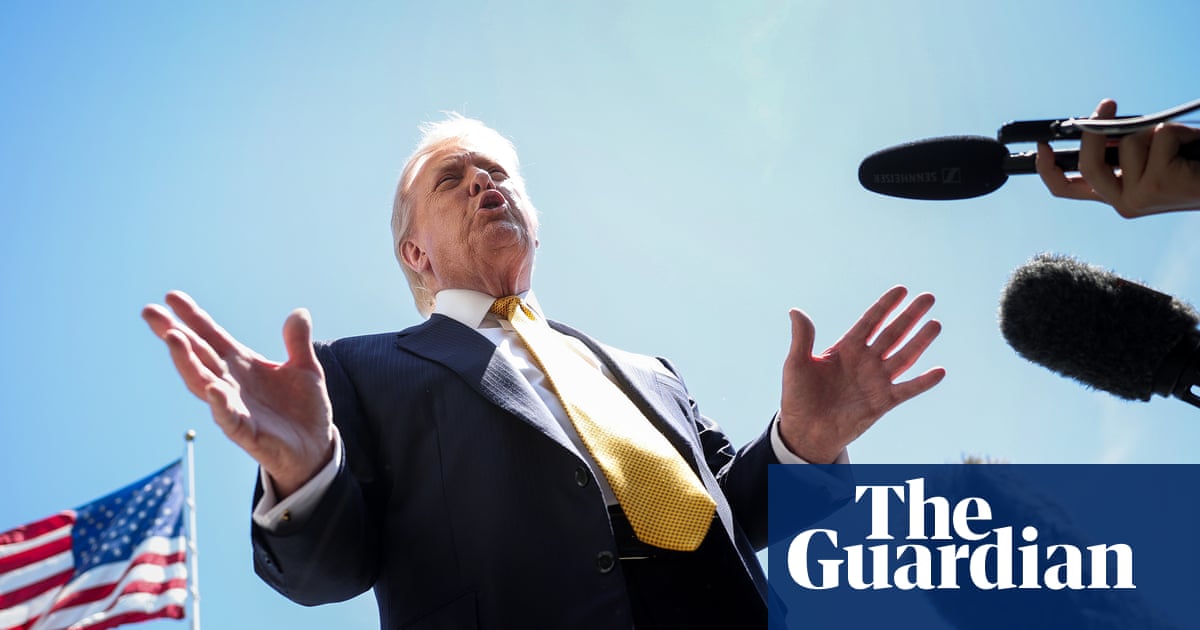
US President Donald Trump on Tuesday said he is not prioritizing economic strain from the conflict with Iran as US inflation reached its highest level in three years and fuel prices continued climbing. Speaking to reporters, Trump stated the financial hardship faced by Americans due to rising oil prices and inflation is ‘not even a little bit’ motivating his administration’s push for a peace deal with Tehran.
The president’s remarks come as the US Bureau of Labor Statistics reported inflation at 3.4% in December, the highest since 2021, driven in part by surging energy costs. Crude oil prices have jumped nearly 15% since late December amid escalating tensions between Washington and Tehran, further straining household budgets already squeezed by persistent price increases.
Trump, who has long framed himself as a dealmaker, suggested other geopolitical and strategic considerations are guiding his approach to Iran rather than economic concerns. ‘We have very big things happening with Iran, and they’re not related to the economy,’ Trump told reporters at the White House. ‘Our focus is on security and stability in the region, not on financial pressures.’
Critics quickly seized on the president’s comments, arguing that economic stability should be a central component of any foreign policy decision. ‘Inflation is crushing American families, and Iran’s actions are directly contributing to higher gas prices,’ said Senate Majority Leader Chuck Schumer D-NY. ‘Ignoring that link sends the wrong message.’
Rising oil prices add to economic strain
The conflict with Iran has intensified in recent weeks following a series of attacks on commercial shipping in the Red Sea and retaliatory strikes by the US. Analysts warn that prolonged hostilities could keep oil prices elevated, potentially slowing economic growth and increasing inflationary pressures in the US and globally.
Oil prices surged past $80 per barrel this week, a level not seen since October, as traders priced in the risk of disrupted supply routes through the Strait of Hormuz, a critical chokepoint for global oil shipments. The US Energy Information Administration projects that gasoline prices could rise another 10 to 15 cents per gallon in the coming months if tensions persist.
Trump’s stance contrasts with his predecessor’s approach. During the 2020 assassination of Iranian General Qasem Soleimani, then-President Trump ordered a drone strike but later cited economic concerns as a factor in de-escalation efforts. His current remarks suggest a shift in priorities, with economic considerations taking a backseat to broader foreign policy objectives.
What’s next in Iran talks and US economy
The administration has not provided a timeline for when negotiations with Iran might resume, though State Department officials have indicated that indirect talks remain possible. Meanwhile, the Federal Reserve is closely monitoring inflation trends, with some economists predicting a potential interest rate hike later this year if price pressures do not ease.
For American consumers already grappling with higher costs for groceries, rent, and healthcare, the prolonged conflict with Iran adds another layer of uncertainty. The administration’s focus on security over economic relief could further strain public sentiment as midterm election cycles approach.
Analysts say the disconnect between Trump’s priorities and public economic concerns could undermine confidence in his leadership on both domestic and international fronts. The White House has yet to outline specific measures to address inflation beyond calling for increased domestic energy production.
What remains clear is that the economic fallout from the Iran conflict—and the administration’s response—will continue to shape both foreign policy and domestic politics in the months ahead.
What You Need to Know
- Source: The Guardian
- Published: May 13, 2026 at 14:03 UTC
- Category: Business
- Topics: #guardian · #business · #economy · #war · #conflict · #americans
Read the Full Story
This is a curated summary. For the complete article, original data, quotes and full analysis:
All reporting rights belong to the respective author(s) at The Guardian. GlobalBR News summarizes publicly available content to help readers discover the most relevant global news.
Curated by GlobalBR News · May 13, 2026
Related Articles
- How Trump’s ‘unusual’ brokerage account traded around his own market-moving decisions—selling hyperscalers and buying energy stocks during the war
- Cerebras debuts on Wall Street with AI chip demand soaring 2024
🇧🇷 Resumo em Português
O presidente dos Estados Unidos, Donald Trump, surpreendeu ao afirmar que as tensões com o Irã não estão no topo das prioridades das negociações de paz, mesmo com a inflação norte-americana em seu pior nível em três anos. A declaração, feita em meio a um cenário de crescente instabilidade geopolítica no Oriente Médio, deixa claro que, para a atual administração, questões domésticas como o controle de preços e a economia interna pesam mais do que os conflitos externos na agenda diplomática.
O contexto é especialmente relevante para o Brasil, um dos maiores importadores de petróleo do mundo e fortemente impactado pelos preços internacionais do combustível. A escalada de tensões entre EUA e Irã, tradicionalmente um dos principais produtores de petróleo, já tem influenciado os mercados globais, com reflexos diretos nos custos de gasolina e diesel pagos pelos brasileiros. Além disso, a postura de Trump pode sinalizar uma estratégia de priorização da estabilidade econômica interna em detrimento de intervenções militares ou sanções que agravem ainda mais a crise energética global.
Se confirmada, essa abordagem poderá redefinir as relações diplomáticas dos EUA com o Oriente Médio e, consequentemente, os preços de produtos essenciais no Brasil nos próximos meses.
🇪🇸 Resumen en Español
El presidente de Estados Unidos, Donald Trump, ha dejado claro que la tensión con Irán no es una prioridad en las negociaciones de paz, a pesar de que la inflación en el país alcanza su nivel más alto en tres años y los precios del petróleo se disparan por el conflicto. En un contexto de creciente presión económica, Trump ha minimizado el impacto de estas tensiones en su agenda diplomática, centrando su atención en otros frentes.
Este enfoque ha generado escepticismo entre analistas y ciudadanos, pues la escalada con Irán suele ser un factor clave en la estabilidad de los mercados energéticos y la economía global. Para los hispanohablantes, especialmente aquellos dependientes de remesas o vinculados a sectores energéticos, esta postura podría traducirse en un aumento de costes en productos básicos y una mayor volatilidad en los mercados internacionales. La decisión de Trump, en un año electoral, también refleja un cálculo político que prioriza la imagen de firmeza sobre la gestión de crisis con repercusiones directas en la vida cotidiana.
The Guardian
Read full article at The Guardian →This post is a curated summary. All rights belong to the original author(s) and The Guardian.
Was this article helpful?


Discussion