China’s clean energy push is winning the global race while US fossil fuel interests cling to the past.
- China’s clean energy growth outpaces US fossil fuel lobbying in latest trade talks
- US oil exports to China face steep decline as Beijing accelerates solar and EV production
- Trump’s Beijing summit failed to secure major oil deals, despite White House claims
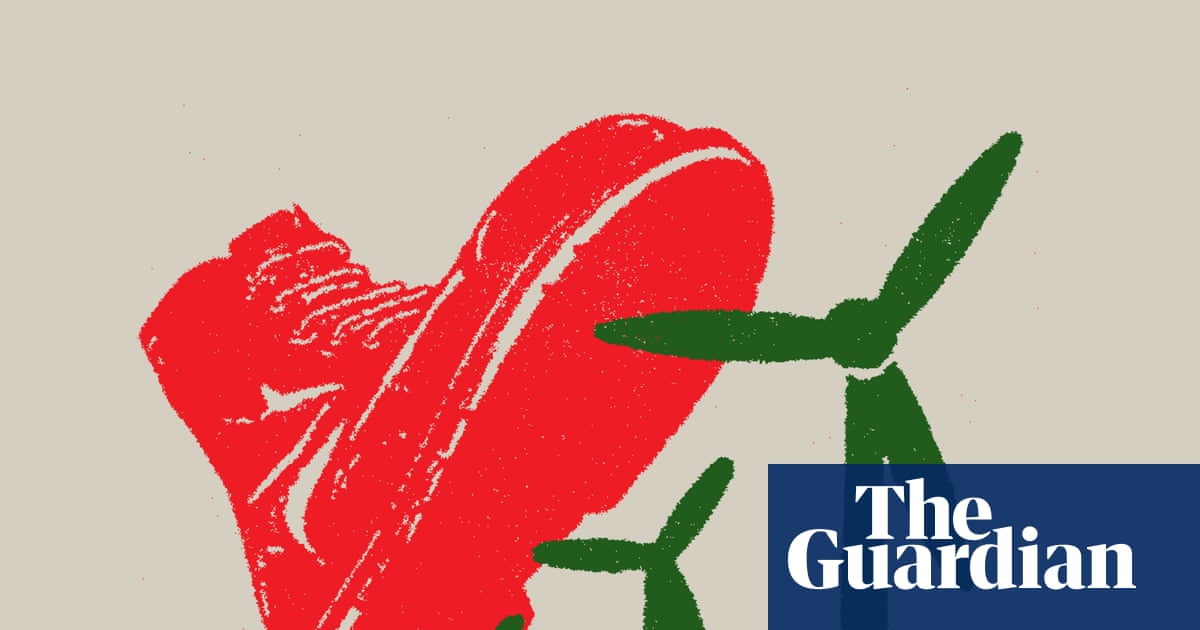
Last week, Chinese kids chanted ‘farewell’ to Donald Trump as he left Beijing with empty hands on oil deals, despite his claims of ‘fantastic’ agreements. The summit exposed a hard truth: the world’s energy future is being written in Beijing, not Houston. While Trump pitched more American oil, gas, and soybeans, China’s leaders showed off their real exports—solar panels, electric cars, and wind turbines pouring into global markets at prices the US can’t match. The message was clear. The American century of oil is over. The Chinese century of electrons has already begun.
American oil’s last stand
The US still pumps more crude than any other country, but the era of dominance is ending. In 2023, China installed more solar power in one year than the entire US grid has in a decade. Its EV sales now top 10 million annually—more than the US and Europe combined. Meanwhile, US fossil fuel lobbyists are pushing states to ban electric cars and block clean energy projects, as if they can turn back the clock. Their last play? Try to sell China more oil, even as Beijing builds the infrastructure to leave it behind.
At the Beijing summit, Trump’s team insisted they’d struck ‘tremendous’ energy deals, but no signed contracts appeared. China’s state media barely mentioned oil. Instead, they celebrated $100 billion in clean tech investments announced by Chinese firms. The contrast wasn’t accidental. While US politicians argue over pipelines and permits, China’s companies are locking in global supply chains for batteries, solar cells, and grid technology. American oil drillers are now fighting for scraps on the world market.
The numbers tell the story
In 2010, China bought just 6% of US oil exports. By 2023, that share had fallen to 2%, while China’s own clean energy exports soared past $500 billion. The US Energy Department now admits America can’t compete on solar panel costs—Chinese makers sell them for half the price. Even Trump’s beloved fracking industry is struggling, with bankruptcies piling up as natural gas prices crash. The writing’s on the wall: the US can keep drilling, but the world won’t buy its product at the prices it needs.
China’s rise isn’t just about selling panels and cars. It’s about controlling the entire supply chain. From cobalt mines in Congo to battery gigafactories in Inner Mongolia, Beijing now sets the rules for how the world powers its future. The US has no equivalent leverage. Its last major energy project, the Willow drilling plan in Alaska, sparked global outrage and legal battles. Meanwhile, China opened a $12 billion solar factory in Saudi Arabia last month—a sign that even oil-rich nations are hedging bets.
What happens next
Don’t expect the US to surrender quietly. Fossil fuel die-hards in Congress are pushing bills to ban Chinese EVs and slap tariffs on solar panels. Some states are even trying to criminalize renewable energy projects. But the market’s already decided. BloombergNEF projects solar and wind will supply half the world’s electricity by 2035, with China supplying most of the hardware. The US can keep fighting the last war, or it can join the race—but it’s running out of time.
For Americans, the shift means cheaper clean energy, but also tough choices. Factories that once made oil rigs could pivot to battery plants. Oil towns might become solar towns. But the transition won’t be smooth. Workers in Texas and North Dakota will demand help retraining. Politicians will keep stoking culture wars over energy. And China will keep tightening its grip on the technologies that are rewiring the planet.
The era of American oil dominance lasted a century. The next wave belongs to whoever builds the cheapest electrons—and right now, that’s not the US.
What You Need to Know
- Source: The Guardian
- Published: May 17, 2026 at 13:00 UTC
- Category: Environment
- Topics: #guardian · #climate · #environment · #jonathan-watts-china · #farewell · #chinese
Read the Full Story
This is a curated summary. For the complete article, original data, quotes and full analysis:
All reporting rights belong to the respective author(s) at The Guardian. GlobalBR News summarizes publicly available content to help readers discover the most relevant global news.
Curated by GlobalBR News · May 17, 2026
Related Articles
🇧🇷 Resumo em Português
O sonho americano do petróleo como principal moeda energética global está ruindo diante da ascensão vertiginosa da China no mercado de energias limpas. Em um movimento sem precedentes, Pequim não apenas assumiu a liderança em produção de painéis solares, turbinas eólicas e veículos elétricos, mas também redefiniu as regras do jogo energético mundial, leaving os Estados Unidos para trás em uma transição que promete ser tão revolucionária quanto inevitável.
No Brasil, país que há décadas oscila entre a dependência de combustíveis fósseis e o potencial ainda pouco explorado das renováveis, a notícia chega como um alerta e uma oportunidade. A China não só domina a cadeia produtiva de tecnologias verdes, como também impõe preços e padrões que podem forçar até mesmo as maiores economias a se adaptarem rapidamente. Para um país que possui uma das matrizes energéticas mais limpas do mundo — graças ao uso massivo de hidrelétricas —, o avanço chinês pode significar uma chance de ouro para exportar não apenas commodities, mas também inovação em energia solar e biocombustíveis, setores em que já tem expertise, mas que ainda carecem de investimentos estratégicos.
Se a China consolidar sua hegemonia no setor, o Brasil e outras nações terão de correr para não ficarem à margem dessa nova ordem energética, seja apostando em parcerias tecnológicas ou acelerando seus próprios projetos de transição verde.
The Guardian
Read full article at The Guardian →This post is a curated summary. All rights belong to the original author(s) and The Guardian.
Was this article helpful?


Discussion