Bosnian Muslim women push for mosque access and leadership roles in growing Islamic feminism movement.
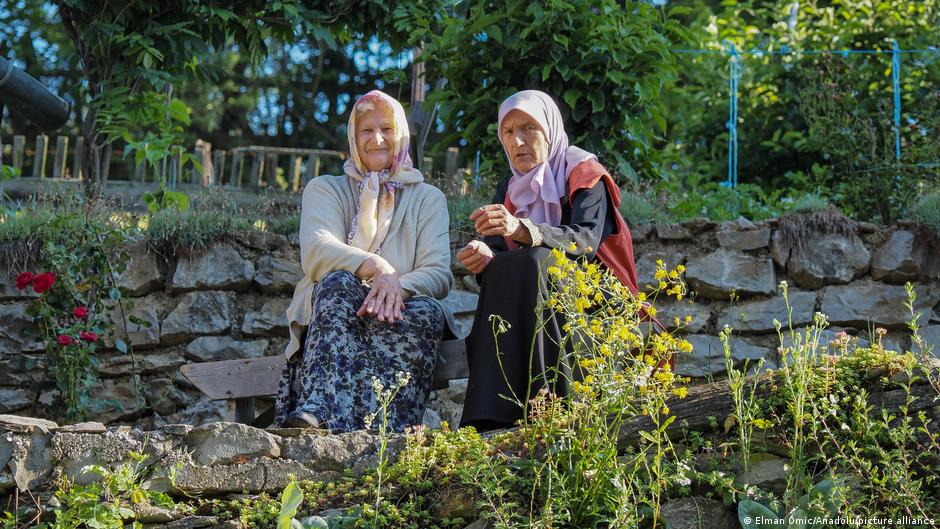
- Bosnian Muslim women demand mosque access on Fridays
- Islamic feminism gaining traction in Bosnia and Herzegovina
- Islamic Community structures slowly changing to reflect demand
Muslim women in Bosnia and Herzegovina are increasingly challenging traditional norms by demanding access to mosques on Fridays and greater decision-making roles within the Islamic Community. While Friday prayers are typically male-dominated across the Muslim world, a growing number of devout Bosnian women are pushing for inclusion. This shift reflects broader Islamic feminism trends in the country, where women are redefining their roles despite persistent conservative social norms.
The push comes as religion has regained prominence in Bosnia and Herzegovina since the 1992–1995 war, which left deep ethnic and religious divisions. The state remains secular, with gender equality enshrined in law, but cultural and religious practices often lag behind. In some communities, conservative gender roles still dominate, with women expected to prioritize family care over public participation. However, younger generations and educated women are increasingly rejecting these constraints.
The Islamic Community of Bosnia and Herzegovina, the country’s leading religious authority, has begun responding to these demands. While Friday mosque attendance for women remains uncommon, some mosques now offer separate prayer spaces or special sessions for women. Leadership roles, though still rare, are slowly opening up as well. Activists and scholars point to Islamic feminism—a movement advocating for women’s rights within Islamic frameworks—as a driving force behind this change.
The movement’s growth is evident in urban centers like Sarajevo and Mostar, where women-led initiatives and educational programs are challenging patriarchal interpretations of Islam. These efforts align with global Islamic feminist movements, which argue that gender equality is compatible with Islamic teachings. Bosnia and Herzegovina’s unique history, shaped by Ottoman, Austro-Hungarian, and socialist influences, has created a diverse religious landscape where reformist ideas can take root.
Critics, however, argue that resistance remains strong, particularly in rural and conservative communities. Some clerics and elders view women’s mosque attendance and leadership as a deviation from tradition, despite historical precedents in early Islamic communities. The debate highlights the tension between modern aspirations and traditional values in Bosnia and Herzegovina’s Muslim-majority society.
As the movement gains momentum, the Islamic Community faces pressure to formalize changes. Women’s groups are calling for policy reforms, including the establishment of women’s councils within mosques and greater representation in religious education. The outcome could reshape Bosnia and Herzegovina’s religious and social dynamics in the coming years.
For now, the push for change reflects a broader trend in the Balkans, where women across religious and ethnic lines are asserting their rights in spaces long dominated by men.
What You Need to Know
- Source: Deutsche Welle
- Published: May 15, 2026 at 15:42 UTC
- Category: World
- Topics: #europe · #world-news · #islamic · #bosnia · #herzegovina-many-bosnian
Read the Full Story
This is a curated summary. For the complete article, original data, quotes and full analysis:
All reporting rights belong to the respective author(s) at Deutsche Welle. GlobalBR News summarizes publicly available content to help readers discover the most relevant global news.
Curated by GlobalBR News · May 15, 2026
Related Articles
- US proposes 40% cut in Colorado River water for 3 states amid drought
- US-Nigeria joint strike kills ISIS leader in West Africa: Report
- UK insurers charge more or refuse cover for Chinese EVs like Jaecoo
🇧🇷 Resumo em Português
Em um país onde o Islã é maioria e a sociedade ainda enfrenta divisões étnicas e religiosas após uma guerra brutal nos anos 1990, as mulheres muçulmanas da Bósnia e Herzegovina estão redefinindo os limites da fé e da igualdade. Em meio a uma crescente onda de conservadorismo religioso, um movimento silencioso mas poderoso de islamic feminism ganha força, com ativistas exigindo não apenas acesso a mesquitas e espaços tradicionalmente dominados por homens, mas também participação ativa nas decisões religiosas e sociais.
A ascensão do Islã na região após o conflito armado — impulsionada pela reconstrução de identidades culturais e pela busca por estabilidade — criou um paradoxo: enquanto o conservadorismo se fortalece, mulheres como Zilka Spahić-Šiljak, fundadora da organização TPO Foundation, lutam para que o feminismo islâmico seja reconhecido como uma corrente legítima dentro da religião. Para o Brasil, onde o debate sobre direitos das mulheres e religiões também é intenso, essa movimentação oferece um espelho instigante sobre como a fé pode ser reinterpretada para promover justiça social, sem romper com tradições. A questão é especialmente relevante em um momento em que o país discute secularismo e direitos das mulheres no contexto religioso.
O próximo passo será observar se esse movimento conseguirá influenciar políticas públicas na Bósnia — ou se esbarrará na resistência de lideranças religiosas conservadoras.
🇪🇸 Resumen en Español
El auge del feminismo islámico en Bosnia y Herzegovina marca un giro inesperado en una sociedad tradicionalmente conservadora, donde mujeres musulmanas exigen acceder a mezquitas y asumir roles de liderazgo religioso. Este movimiento desafía los cánones establecidos y refleja una transformación silenciosa pero profunda en el seno de una comunidad aún marcada por los traumas de la guerra de los años 90.
El contexto no es casual: tras el conflicto que dejó a Bosnia dividida étnica y religiosamente, el islam ganó fuerza como símbolo de identidad, pero también como espacio de contestación. Las mujeres, muchas formadas en universidades y concienciadas con los derechos humanos, reclaman ahora una reinterpretación de su fe que les permita participar en la vida religiosa sin exclusiones. Para los hispanohablantes, este debate resuena con las luchas por la igualdad de género en entornos conservadores, recordando que el progreso social no siempre sigue caminos lineales.
Deutsche Welle
Read full article at Deutsche Welle →This post is a curated summary. All rights belong to the original author(s) and Deutsche Welle.
Was this article helpful?

Discussion