Israel Lebanon talks enter third round in Washington as Hezbollah clashes continue.
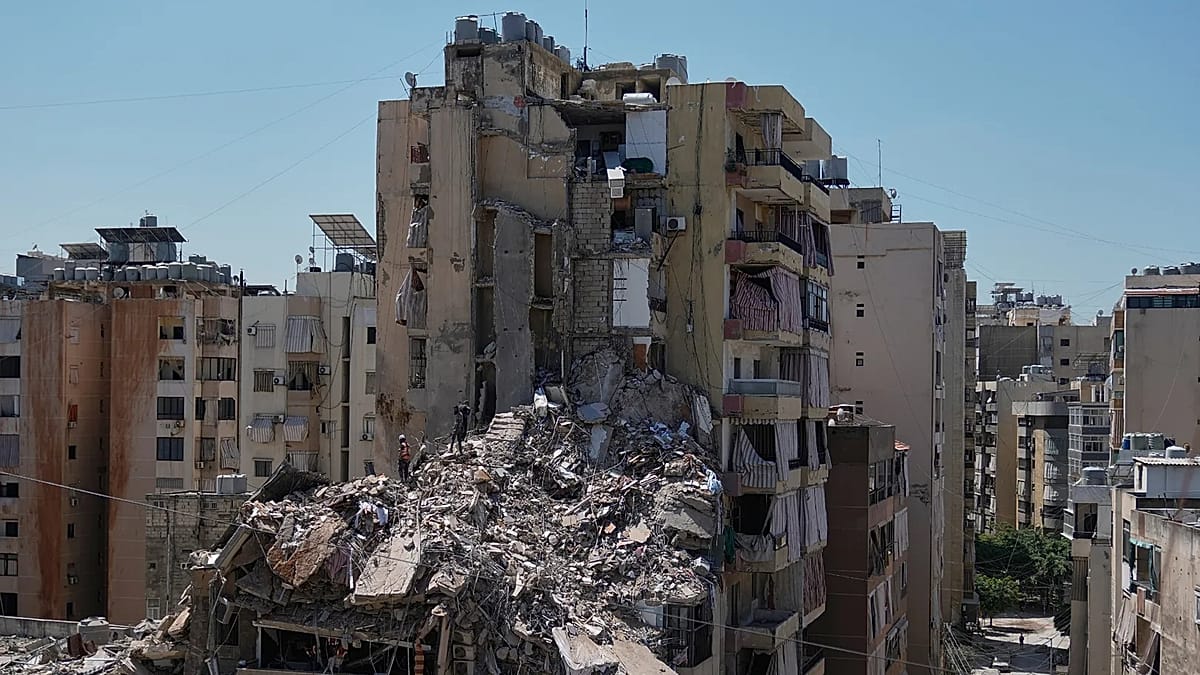
- Israel and Lebanon resume third-round talks in Washington
- Hezbollah fighting continues amid diplomatic efforts
- US hosts negotiations to address border tensions
Israel and Lebanon reconvened in Washington on Wednesday for the second day of their third round of direct talks, with Hezbollah clashes in southern Lebanon showing no signs of easing. The negotiations, hosted by the U.S., aim to address long-standing border disputes and reduce escalating violence between the two sides. Diplomats from both countries are under pressure to reach a framework agreement to prevent further military confrontation.
The talks follow weeks of intensified exchanges along the Israel-Lebanon border, where exchanges of fire have displaced thousands and raised fears of a broader conflict. Hezbollah, a militant group backed by Iran, has exchanged rocket fire with Israel in response to what it calls Israeli aggression. Israel has conducted airstrikes in Lebanon, citing security threats. Both sides have reported casualties, though exact numbers remain unverified.
U.S. mediation efforts intensify
The Biden administration has stepped up diplomatic efforts to broker a ceasefire, with U.S. officials shuttling between Israeli and Lebanese delegations. Secretary of State Antony Blinken has emphasized the urgency of the talks, warning that continued violence risks destabilizing the entire region. The U.S. has proposed a phased de-escalation plan, including a halt to cross-border attacks and a return to the 2006 ceasefire lines.
Lebanon’s delegation, led by caretaker Foreign Minister Abdallah Bou Habib, is pushing for guarantees on Lebanese sovereignty and the withdrawal of Hezbollah fighters from the border area. Israel, represented by National Security Advisor Tzachi Hanegbi, insists on security assurances before any concessions. The gaps between the two positions remain significant, but negotiators have expressed cautious optimism about incremental progress.
International pressure mounts
The United Nations and European Union have also urged restraint, with UN Secretary-General António Guterres calling for an immediate end to hostilities. The escalation has drawn condemnation from regional powers, with Iran reportedly increasing its support for Hezbollah, while Saudi Arabia has called for dialogue. Analysts warn that a prolonged conflict could draw in other actors, further complicating the crisis.
The humanitarian toll is already severe, with hospitals in southern Lebanon overwhelmed and thousands displaced. Aid agencies report shortages of medical supplies and food, exacerbating an economic crisis in Lebanon that is among the worst in its history. The talks in Washington are seen as a last-ditch effort to avoid a full-scale war, which could have catastrophic consequences for the region.
What happens next remains uncertain. If the talks fail, both sides may resort to further military action, risking a wider confrontation. However, a breakthrough could pave the way for broader negotiations, including the resolution of Lebanon’s ongoing political paralysis and economic collapse. The international community is watching closely, with the hope that diplomacy can prevail over brute force.
What You Need to Know
- Source: Euronews
- Published: May 15, 2026 at 05:10 UTC
- Category: World
- Topics: #euronews · #europe · #world-news · #israel · #lebanon · #washington-israel
Read the Full Story
This is a curated summary. For the complete article, original data, quotes and full analysis:
All reporting rights belong to the respective author(s) at Euronews. GlobalBR News summarizes publicly available content to help readers discover the most relevant global news.
Curated by GlobalBR News · May 15, 2026
Related Articles
- Zimbabwe’s diaspora reshapes real estate and farming investment trends
- Eurovision 2024 faces scrutiny over Israel’s participation amid war
- War in the Middle East: Israel targets top Hamas leader in Gaza
🇧🇷 Resumo em Português
O terceiro round de negociações diretas entre Israel e Líbano, realizado em Washington, acende um sinal amarelo no Oriente Médio, onde a sombra da guerra entre Israel e o Hezbollah paira sobre a região. Pela primeira vez desde a escalada do conflito, as delegações dos dois países sentam-se à mesa de negociações, mediadas pelos Estados Unidos, em busca de uma trégua que evite um alastramento ainda maior da violência que já deixou centenas de mortos e milhares de desabrigados.
A importância desta conversa transcende as fronteiras do Líbano e de Israel, pois o Brasil, como um dos principais atores emergentes no cenário internacional e com uma comunidade libanesa de mais de 7 milhões de pessoas, tem interesses diretos nesta estabilidade. Além disso, o país tem histórico de mediação em crises regionais e poderia, indiretamente, influenciar ou ser influenciado por desdobramentos que afetem a segurança energética global, especialmente no que diz respeito ao fornecimento de gás natural, do qual o Líbano depende para superar sua crise econômica. A comunidade internacional espera que este encontro possa pavimentar o caminho para a desescalada, ainda que os obstáculos — como a questão das fronteiras marítimas e a presença do Hezbollah — permaneçam como pedras no meio do caminho.
Se os resultados forem positivos, poderemos testemunhar não apenas o fim imediato dos confrontos, mas também um reaquecimento das relações diplomáticas na região, com possíveis reflexos na política externa brasileira, especialmente em um ano de eleições municipais e com a atenção voltada para a participação do Brasil em fóruns globais.
🇪🇸 Resumen en Español
Tras meses de tensiones en la frontera y escalada de violencia, Israel y Líbano retoman por tercera vez en Washington un diálogo directo para desactivar la crisis en su frontera común, donde el conflicto con Hezbolá amenaza con desbordarse. Funcionarios de ambos países se reúnen esta semana bajo mediación estadounidense en un intento por evitar que la confrontación entre el grupo armado libanés y el ejército israelí derive en un conflicto a gran escala.
El encuentro llega en un momento crítico, con ataques diarios entre ambas partes que han dejado un saldo de muertos y desplazados, mientras la comunidad internacional teme una guerra abierta que arrastraría a la región. Para los hispanohablantes, esta negociación no solo tiene implicaciones geopolíticas —pues involucra a actores clave como EE.UU. e Irán—, sino que también recuerda otros conflictos enquistados donde la diplomacia debe actuar antes de que la violencia trascienda fronteras, afectando a migrantes y a la estabilidad global. El éxito o fracaso de estas conversaciones podría marcar el rumbo de una zona ya de por sí convulsa.
Euronews
Read full article at Euronews →This post is a curated summary. All rights belong to the original author(s) and Euronews.
Was this article helpful?


Discussion