Jihadist groups and Tuareg separatists launched coordinated attacks across Mali on April 25.
- Jihadists and Tuareg separatists struck Mali simultaneously on April 25
- Attacks hit military bases and government sites in Bamako, Gao, Kidal and Mopti
- Jama’at Nusrat al-Islam wal-Muslimin claimed responsibility for the offensive
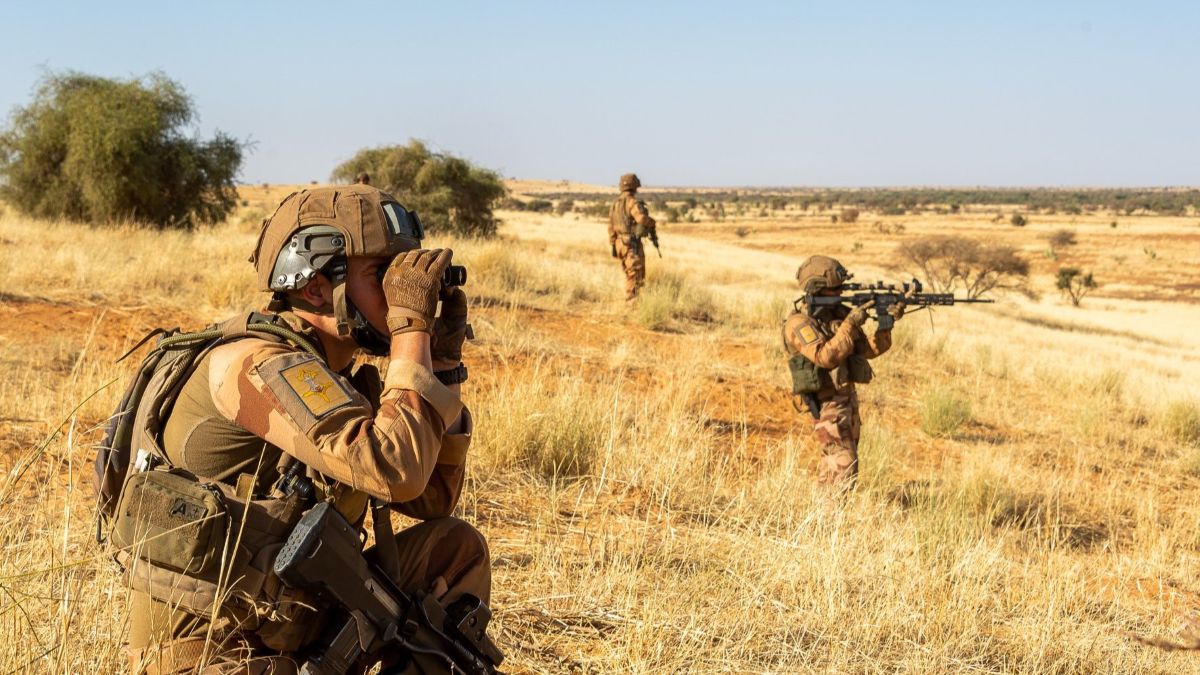
Armed groups launched near-simultaneous attacks across Mali on April 25, striking military installations and government sites in Bamako, Gao, Kidal and Mopti. The offensive was claimed by Jama’at Nusrat al-Islam wal-Muslimin (JNIM), an al-Qaeda affiliate, and carried out in coordination with Tuareg separatists from the Front de Libération de l’Azawad (FLAA). Security experts described the assault as the most sophisticated and widespread militant operation in Mali in years, signaling a sharp escalation in the country’s security crisis.
The assaults targeted multiple nodes of Mali’s security architecture, including military bases, police stations and government buildings. In Bamako, militants attempted to strike the presidential palace and key ministries, while simultaneous raids hit Gao, a strategic city in northern Mali long contested by armed groups. The coordinated nature of the attacks suggests high levels of planning and logistical support, raising concerns about the growing capabilities of jihadist and separatist coalitions operating across the Sahel.
Analysts warn the offensive reflects a broader trend of militant expansion in the Sahel, a region already grappling with decades of instability. Western governments, including France and the United States, have significantly reduced their military presence in the region over the past five years, citing shifting priorities and political pressures at home. The withdrawal of Western forces has left local governments and security forces struggling to contain the militant threat, which has surged in the vacuum.
Rise of Jama’at Nusrat al-Islam wal-Muslimin
JNIM, formed in 2017 through the merger of several militant factions, has emerged as the dominant jihadist group in the Sahel. The group’s leadership includes figures with ties to al-Qaeda’s global network, and its fighters have exploited weak governance, ethnic tensions and porous borders to expand their influence. In recent months, JNIM has intensified attacks on military convoys, civilian targets and rival factions, including the so-called Islamic State in the Greater Sahara.
The group’s alliance with the FLAA, a secular Tuareg separatist movement, underscores the shifting dynamics of conflict in northern Mali. While the FLAA has historically opposed jihadist groups, its participation in the April 25 assault suggests a tactical alignment driven by shared grievances over government neglect and marginalization of the Tuareg community. The merger of ideological and separatist agendas poses a new challenge for Malian authorities and their international partners.
Western Withdrawal Leaves Security Vacuum
The April 25 attacks come amid a broader retrenchment of Western military engagement in the Sahel. France, the former colonial power in Mali, completed its withdrawal of troops in August 2022 after a decade of counterterrorism operations. The U.S. has also scaled back its footprint, reducing its drone base in Niamey and limiting training missions for local forces. Analysts argue these withdrawals have emboldened militant groups by removing key deterrents and disrupting intelligence-sharing networks.
Local security forces, already stretched thin, have struggled to respond effectively. Mali’s military government, which seized power in a 2020 coup, has faced criticism for its reliance on Russian Wagner Group mercenaries to fill the security gap. Critics argue this strategy has further alienated local populations and fueled recruitment for jihadist groups by exacerbating grievances over human rights abuses and economic hardship.
What Happens Next
The fallout from the April 25 attacks is expected to deepen Mali’s political and security crisis. The government has declared a state of emergency and vowed to escalate military operations against militant groups. However, analysts caution that a purely military response is unlikely to address the root causes of the conflict, including poverty, ethnic divisions and weak state authority. International actors, including the United Nations and African Union, are likely to face renewed pressure to intervene, though their options remain limited by Mali’s strained relations with Western partners.
The attacks also raise broader questions about the future of counterterrorism in the Sahel. With Western forces largely gone and regional alliances shifting, local governments may increasingly turn to non-Western partners for support. The growing influence of Russia’s Wagner Group and Turkey’s expanding diplomatic and military footprint in the region suggest a new geopolitical battleground is emerging in the fight against terrorism.
What You Need to Know
- Source: War on the Rocks
- Published: April 29, 2026 at 07:30 UTC
- Category: War
- Topics: #defense · #military · #geopolitics · #war · #western-withdrawal · #jihadist-expansion
Read the Full Story
This is a curated summary. For the complete article, original data, quotes and full analysis:
All reporting rights belong to the respective author(s) at War on the Rocks. GlobalBR News summarizes publicly available content to help readers discover the most relevant global news.
Curated by GlobalBR News · April 29, 2026
Related Articles
🇧🇷 Resumo em Português
O Sahel se transforma em um inferno de terror: grupos jihadistas intensificam ataques enquanto potências ocidentais recuam
Na última semana, o Mali foi palco de uma onda de ataques coordenados por grupos jihadistas, que atingiram bases militares e alvos estratégicos no dia 25 de abril, expondo a fragilidade de uma região já devastada pela insegurança. A escalada do terrorismo no Sahel não é apenas um problema local, mas uma ameaça crescente que ressoa globalmente, redefinindo o mapa da instabilidade no continente africano e desafiando a capacidade de resposta das nações comprometidas com a estabilidade regional.
O Brasil, embora distante geograficamente, tem interesses estratégicos na África, especialmente no combate ao terrorismo e no controle do fluxo migratório irregular. Além disso, o país é signatário de acordas internacionais de segurança e mantém cooperação militar com nações da região, o que torna a situação no Sahel uma pauta relevante para a diplomacia brasileira. A retirada recente de forças ocidentais, como a França e a Alemanha, deixou um vazio que grupos como o Estado Islâmico e a Al-Qaeda vêm preenchendo rapidamente, ampliando sua influência e capacidade operacional. Para o Brasil, essa dinâmica exige atenção redobrada, seja no âmbito da segurança internacional, seja no fortalecimento de laços com países africanos para conter o avanço do extremismo.
O próximo passo será crucial: a comunidade internacional precisará decidir entre reforçar o apoio às forças locais ou assistir à consolidação de um novo reduto terrorista no coração da África.
🇪🇸 Resumen en Español
El Sahel arde bajo el fuego de grupos yihadistas que, tras la retirada occidental, han lanzado ataques coordinados en Mali, demostrando que la región se ha convertido en el nuevo epicentro del terrorismo global. En una sola jornada, decenas de efectivos militares y civiles perdieron la vida en una ofensiva que sacudió bases estratégicas y símbolos del Estado, dejando al descubierto la fragilidad de un gobierno apoyado en su día por Francia y sus aliados.
El conflicto en el Sahel no es un fenómeno aislado, sino el resultado de un vacío de poder aprovechado por organizaciones como Jama’at Nusrat al-Islam wal Muslimin (JNIM) y el Estado Islámico en el Gran Sáhara. La salida de las fuerzas francesas y europeas, sumada a la inestabilidad política en países como Burkina Faso o Níger, ha acelerado el avance de estos grupos, que ahora controlan vastos territorios y desafían no solo a gobiernos débiles, sino también a intereses geopolíticos de potencias como Rusia o China. Para los hispanohablantes, este escenario es un recordatorio de cómo la desestabilización en África puede tener repercusiones en la seguridad global, la migración irregular y hasta en la lucha contra el crimen organizado que llega a nuestras fronteras.
War on the Rocks
Read full article at War on the Rocks →This post is a curated summary. All rights belong to the original author(s) and War on the Rocks.
Was this article helpful?

Discussion