Somalia’s piracy surge is costing shippers more money and time as ships bypass the Red Sea.
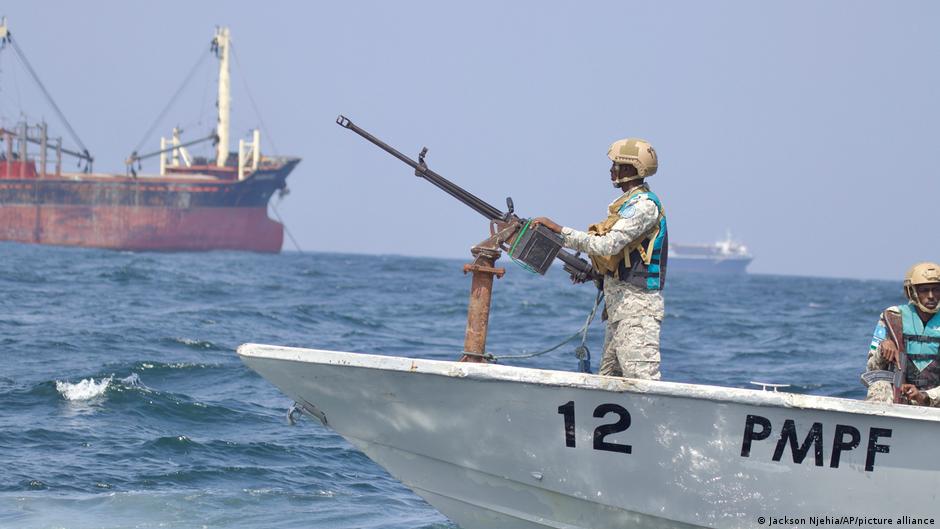
- Three ships have been hijacked off Somalia in the last month
- Ships are rerouting around Africa to avoid Middle East conflicts
- Piracy is driving up insurance, transit times, and security costs
Global shipping is caught in a perfect storm. The Strait of Hormuz has been largely shut to commercial traffic for months, and the Red Sea remains a high-risk zone after frequent attacks by the Houthis, an Iran-backed group. To avoid these dangers, about half of the vessels heading from Asia and the Gulf to Europe are taking the long detour around southern Africa instead of passing through the Suez Canal. That adds two to three weeks and thousands of nautical miles to each journey. And now, as those ships sail past Somalia’s coastline, the same waters where pirates staged a decade-long hijacking spree, the threat of attacks is back. Three ships have been hijacked in just the last few weeks, marking the most aggressive resurgence since piracy peaked in 2011. It’s not just a rerun of the past—it’s a fresh crisis on top of existing ones, and it’s going to cost everyone more money and time. The Bab el-Mandeb Strait, the narrow chokepoint between the Red Sea and the Gulf of Aden, was already a bottleneck. Now, with ships avoiding it entirely, they’re funneling straight into waters where Somali pirates are waiting. The Gulf of Aden and the Somali coast have long been hotspots for piracy, but the problem faded after 2012 when international naval patrols and armed guards on ships made hijackings far riskier. Now, with global attention focused elsewhere, pirates are testing the waters again. They’re using smaller, faster boats to board vessels, often under cover of darkness or bad weather. The hijackings in recent weeks involved tankers and cargo ships, including one case where pirates held a vessel for nearly a week before demands were met. These aren’t random acts—they’re coordinated. Pirates are quickly learning how to exploit the gaps in security, especially as shipping companies cut corners to save time and money during these detours. The costs are piling up. Insurance premiums for ships traveling this route have already spiked by 20% in some cases. Security teams, which were scaled back after the piracy crisis of the 2010s, are being rushed back onto ships, adding thousands of dollars per voyage. Transit times are stretching from 45 days to 70 or more, which means delays for everything from electronics to oil. Major retailers and manufacturers are warning that some goods could face shortages or price hikes if the situation doesn’t improve. The economic ripple effects are already being felt. Countries like Kenya and Ethiopia, which rely on imports through the Red Sea, are seeing delays in fuel and food shipments. Shipping giants like Maersk and MSC have rerouted dozens of vessels, but the detours are expensive. A single delay can cost a company hundreds of thousands of dollars in lost contracts and storage fees. The situation is a reminder of how fragile global trade really is. When one chokepoint shuts down, the entire system has to scramble. And right now, with multiple conflicts raging in the Middle East and pirates seizing opportunities, the system is under more pressure than it’s been in years. The question now is whether the international community will react fast enough to prevent this from spiraling further. Naval patrols, like those led by the European Union’s Atalanta mission, are being discussed again, but funding and coordination take time. In the meantime, shippers are making tough choices: pay more for security, accept longer delays, or gamble on the pirates not striking. None of those options are good, but the one thing everyone agrees on is that doing nothing isn’t an option. The next few weeks will be critical. If pirates keep hijacking ships, the costs will keep climbing, and the delays will get worse. The world’s supply chains are already stretched thin by the Middle East conflicts. Adding Somali piracy to the mix could make this the worst year for global shipping in decades.
What You Need to Know
- Source: Deutsche Welle
- Published: May 11, 2026 at 09:19 UTC
- Category: World
- Topics: #europe · #world-news · #sports · #nfl · #american-football
Read the Full Story
This is a curated summary. For the complete article, original data, quotes and full analysis:
All reporting rights belong to the respective author(s) at Deutsche Welle. GlobalBR News summarizes publicly available content to help readers discover the most relevant global news.
Curated by GlobalBR News · May 11, 2026
Related Articles
- Zimbabwe’s diaspora reshapes real estate and farming investment trends
- 🎉 250 Articles in World!
- Eurovision 2024 faces scrutiny over Israel’s participation amid war
🇧🇷 Resumo em Português
O mar da Somália, há anos assombrado pela sombra da pirataria, volta a registrar um crescimento alarmante de ataques em 2026, com três embarcações sequestradas em poucas semanas — uma ameaça que não apenas atrapalha rotas globais, mas também pode encarecer ainda mais os preços dos produtos que chegam ao Brasil. A situação acende o alerta vermelho para o comércio internacional, especialmente quando navios optam por desviar pelo Cabo da Boa Esperança em vez do Canal de Suez, encarecendo fretes e atrasando entregas de insumos essenciais, como grãos e energia. Para o Brasil, maior exportador de commodities do mundo, o aumento dos custos logísticos pode se refletir em inflação e escassez de produtos básicos, além de pressionar ainda mais a Petrobras em seus custos de importação de petróleo.
O ressurgimento da pirataria na Somália não é mero acidente geopolítico: a instabilidade na região, agravada por conflitos internos e pela fragilidade do governo local em combater grupos armados, cria um vazio de segurança que os piratas — muitos deles ex-pescadores empobrecidos — aproveitam para agir. Historicamente, a presença de forças internacionais, como as missões da OTAN e da União Europeia, havia reduzido os ataques entre 2012 e 2020, mas a retirada gradual dessas tropas nos últimos anos deixou o Golfo de Aden e o Mar Vermelho novamente vulneráveis. Para o Brasil, cuja economia depende fortemente do comércio marítimo, o problema vai além dos fretes: a rota alternativa pela África do Sul aumenta em até 30% o tempo de viagem para a Ásia, o que pode desestabilizar cadeias de suprimentos já tensionadas pela crise climática e pela guerra na Ucrânia.
Se nada for feito para conter a escalada, o cenário aponta para um ciclo vicioso: mais pirataria significa mais desvios, mais custos e, consequentemente, mais preços altos para o consumidor brasileiro.
🇪🇸 Resumen en Español
El resurgimiento de la piratería somalí en 2026 amenaza con paralizar rutas comerciales clave, con tres buques secuestrados en pocas semanas, obligando a las navieras a optar por desvíos por el Cabo de Buena Esperanza, más largos y onerosos.
Tras años de relativa calma, los ataques en el Índico reflejan el colapso de las medidas antiterroristas y el auge de grupos armados que aprovechan el vacío de seguridad en Somalia para lucrarse con rescates millonarios. Para España —puerta de entrada de mercancías a Europa desde Asia—, este repunte encarece el precio de productos básicos, desde electrónica hasta alimentos, y prolonga los plazos de entrega. La UE, ya tensionada por conflictos en Gaza y Ucrania, debe replantearse su estrategia en el Cuerno de África si no quiere que el fantasma de la piratería vuelva a acechar el comercio global.
Deutsche Welle
Read full article at Deutsche Welle →This post is a curated summary. All rights belong to the original author(s) and Deutsche Welle.
Was this article helpful?


Discussion