UK government asks UK Sport to study a northern England Olympics bid for the 2040s.
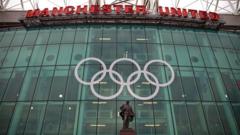
- Government commissioned UK Sport to assess a 2040s Olympic bid for the north
- Assessment is the first step before any formal bid process
- No decision has been made yet on a potential bid
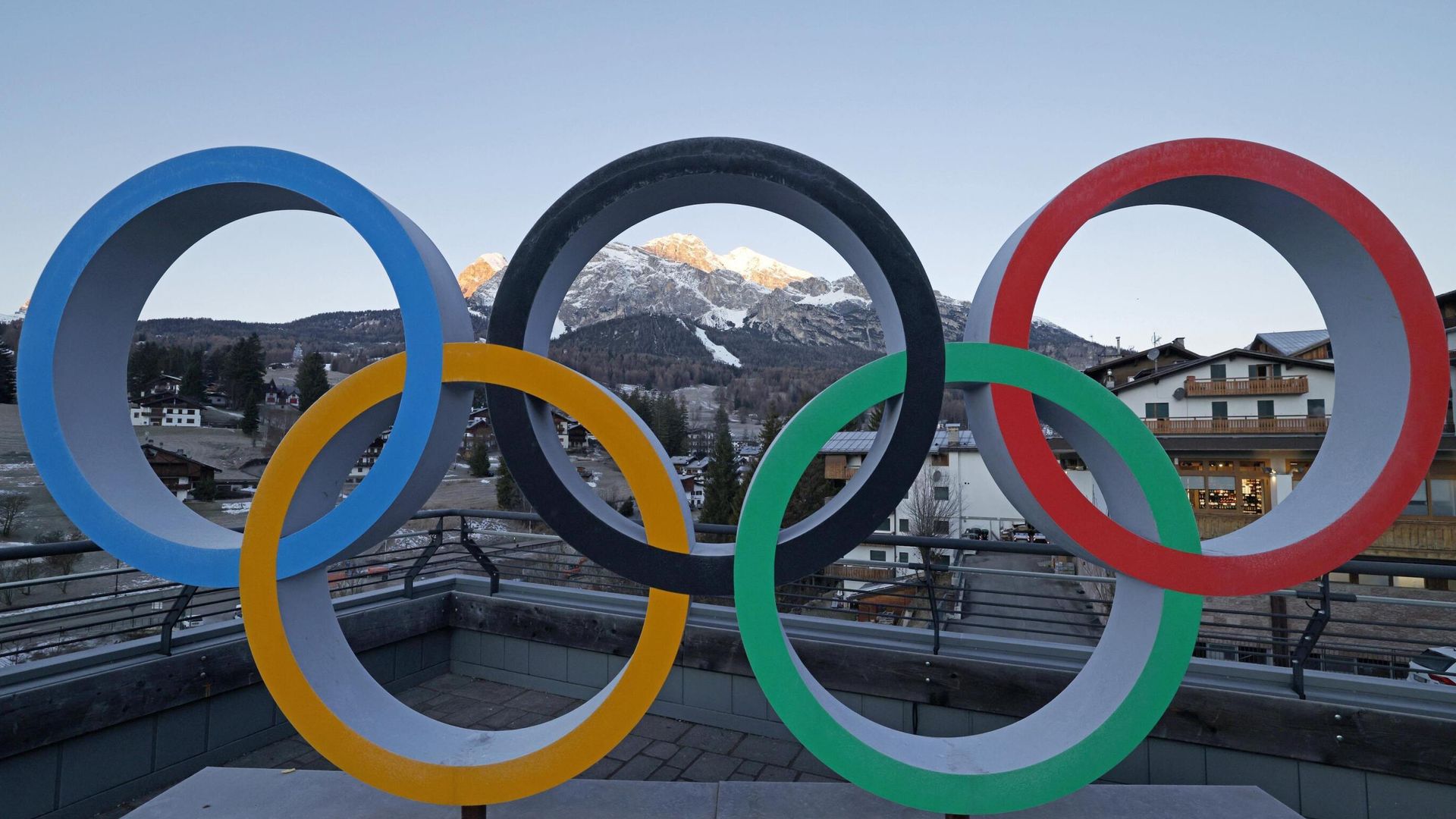
The government quietly asked UK Sport, the agency that handles Olympic funding, to take a first look at whether the north of England could realistically host the Games in the 2040s. This isn’t a formal bid yet—it’s just a strategic check to see if the idea makes sense at all. The study will look at everything: venues, transport, money, public support, and how it fits with other major events like Manchester’s 2030 Commonwealth Games bid or Liverpool’s 2029 World Athletics Championships plans. A government source confirmed the work is underway but stressed no decisions have been made. They’re just trying to work out if this is even worth pursuing further. The assessment is expected to take months, not weeks, because the scope is wide and the stakes are high. A green light here doesn’t guarantee a bid—it just means the idea passes an early sanity check. If the assessment comes back negative, the conversation likely ends there. If it’s positive, the next step would be a deeper feasibility study, probably led by a mix of sports bodies, local councils, and Whitehall officials. That’s when the real planning would start: bid books, cost estimates, and political buy-in from Westminster and the devolved governments. The north hasn’t hosted the Olympics since London 1948, and the last Paralympics there were in 2012. But the region has quietly become a sports powerhouse in its own right, with cities like Manchester, Leeds, and Liverpool regularly hosting major events. The government’s move suggests they’re testing whether the north could handle the scale and prestige of an Olympic bid. It’s also a signal to the International Olympic Committee (IOC) that the UK is serious about spreading the Games beyond London, which has hosted three Olympics (1908, 1948, 2012). The IOC has been pushing for more diversity in host cities, especially in Europe where Paris and Los Angeles will share the 2028 and 2032 Games. A northern bid would fit that trend. But timing is everything. The IOC’s bidding rules are in flux, and the 2040s cycle is still a decade away. That’s both an advantage and a risk. The advantage is that cities have time to plan properly, avoiding the rushed, over-budget disasters of past bids like Montreal 1976 or Athens 2004. The risk is that the IOC could change its mind about what it even wants from a host city. The assessment will also have to grapple with the political reality of the UK. A bid this big would need cooperation between England, Scotland, Wales, and Northern Ireland, as well as the UK government. That’s no small feat in an era of strained relations between Westminster and the devolved governments. The study will likely highlight the north’s strengths: its existing sports infrastructure, its cultural appeal, and its ability to draw international crowds. But it’ll also have to address weaknesses like transport gaps between cities, uneven regional wealth, and the cost of building new venues. The north’s last major bid was for the 2000 Olympics, which went to Sydney. That bid collapsed under financial pressure, leaving a legacy of unbuilt stadiums and dashed hopes. This time around, the UK Sport assessment will try to avoid repeating past mistakes. The final report isn’t expected to be public until late 2025 or early 2026, giving the north’s cities, sports bodies, and politicians time to rally behind the idea—or quietly walk away. Until then, it’s all speculation. But the fact that the government is even asking the question shows how seriously they’re taking the possibility.
What You Need to Know
- Source: BBC Sport
- Published: May 16, 2026 at 23:02 UTC
- Category: Sports
- Topics: #bbc · #sports · #football · #olympics · #north · #england-olympic
Read the Full Story
This is a curated summary. For the complete article, original data, quotes and full analysis:
All reporting rights belong to the respective author(s) at BBC Sport. GlobalBR News summarizes publicly available content to help readers discover the most relevant global news.
Curated by GlobalBR News · May 16, 2026
Related Articles
- UK considers North of England Olympics bid for 2040s
- FA Cup win could silence Chelsea’s critics after tough season
- Why Hearts’ title tilt is unlikely to be a one-off
🇧🇷 Resumo em Português
O sonho olímpico britânico pode ganhar as terras do norte em 2040 — e o Brasil precisa ficar de olho. Após os Jogos de Londres 2012 e a frustrante eliminação na disputa pelas Olimpíadas de 2032, o Reino Unido volta a estudar a possibilidade de sediar o evento, desta vez com foco na região norte da Inglaterra. A UK Sport, entidade responsável pelo desenvolvimento do esporte britânico, já encomendou uma avaliação inicial ao governo, sinalizando que a ambição olímpica não morreu — e que a estratégia agora é apostar em Manchester, Leeds ou outras cidades para dividir a responsabilidade de um megaevento que já fez história no país.
A ideia não é apenas simbólica: uma eventual candidatura do norte da Inglaterra em 2040 representaria uma virada estratégica para o Reino Unido, que busca descentralizar o legado olímpico e apostar em regiões menos favorecidas economicamente. Para o Brasil, que vive um momento de incertezas no esporte após os altos e baixos dos últimos anos, a notícia serve como um lembrete de que a competição global por eventos esportivos nunca para — e que a inovação na proposta pode ser tão importante quanto o orçamento. Além disso, o tema ganha relevância em um momento em que o Comitê Olímpico Internacional (COI) tem flexibilizado critérios, priorizando sustentabilidade e legado social, algo que o norte inglês poderia explorar com vantagem.
Se a avaliação inicial for positiva, o próximo passo será a formação de um consórcio entre as cidades interessadas e o governo britânico, com a expectativa de apresentar uma proposta formal ao COI nos próximos anos. O Brasil, que já sediou dois Mundiais de Futebol e dois Jogos Olímpicos, não pode se dar ao luxo de subestimar a capacidade de reinvenção de seus concorrentes internacionais.
BBC Sport
Read full article at BBC Sport →This post is a curated summary. All rights belong to the original author(s) and BBC Sport.
Was this article helpful?
Discussion