Cut bus services force Americans without cars to spend hours traveling for groceries, worsening food insecurity nationwide.
- Memphis residents face 3-hour bus trips for 13-mile grocery runs
- Covid-era transit funding cuts worsen food access in Tennessee and Rhode Island
- Unreliable bus schedules leave shoppers risking spoiled food or costly rides
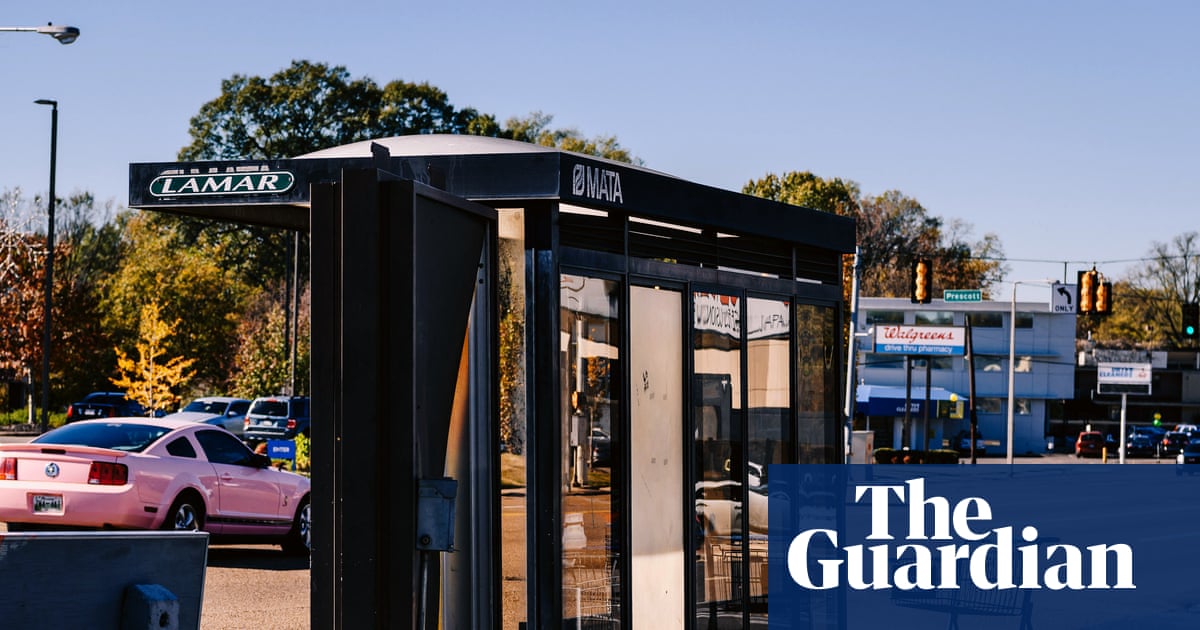
Zen’Yari Winters’ 20-minute commute to her pet shop job in East Memphis now takes three hours. The Memphis Area Transit Authority (MATA) buses are chronically late or fail to appear, forcing her to gamble with her schedule daily. But her work commute isn’t the only burden. Winters’ neighborhood, Chelsea-Hollywood, lost its only full-service grocery store in 2025, leaving residents with few affordable food options. To reach the nearest Walmart, she must take two buses covering 13 miles—each leg of the trip adding unpredictability to her errand. “I can’t risk waiting too long at the stop with fresh food,” Winters said. “Sometimes I just pay the $24 for an Uber home if the bus takes too long.”
The crisis isn’t confined to Memphis. Across the U.S., transit deserts—areas with limited or no public transportation—are deepening food insecurity as Covid-era relief funding dries up. Cities from Tennessee to Rhode Island are cutting bus routes, leaving residents without cars stranded. A 2023 study by the Urban Institute found that 1 in 4 low-income households without vehicles face significant barriers accessing grocery stores. For those in transit deserts, the problem is acute. The study noted that residents often spend hours traveling to shops, with some trips exceeding three hours round-trip.
Transit cuts hit rural and urban areas alike
The cuts are driven by expiring federal aid and shrinking local budgets. The American Public Transportation Association reports that transit agencies have lost $3.5 billion in revenue since 2020, forcing route reductions in 42 states. In Providence, Rhode Island, bus service reductions in 2024 left residents in South Providence without direct routes to major supermarkets. Residents now rely on slower, multi-transfer trips or expensive ride-hailing services to access food.
In Memphis, the Congress for the New Urbanism ranks the city among the worst for transit access in the U.S. The Brookings Institution estimates that 16% of Memphis households lack a car and live more than half a mile from a bus stop. For those who do reach a stop, service is unreliable. Winters recalled waiting 45 minutes for a bus that never arrived, leaving her stranded with bags of groceries during a heatwave.
Food insecurity rises as transit gaps grow
The lack of reliable transit intersects with rising food prices and store closures. The USDA reports that 13.5 million U.S. households were food insecure in 2023, up from 10.2 million in 2020. In Memphis, food pantries report a 30% increase in demand since 2022. Local advocates say the transit cuts are exacerbating the problem. “When people can’t get to a store, they skip meals or rely on convenience stores,” said Shanae McConnell, a food access coordinator in Memphis. “That’s not sustainable.”
Advocacy groups are pushing for solutions. In Providence, the Providence Plan is testing a pilot program to subsidize ride-hailing for grocery trips in transit deserts. Memphis advocates are calling for expanded bus routes and faster bus lanes to improve reliability. But funding remains a hurdle. The National League of Cities warns that without federal intervention, the cuts will continue, leaving more Americans without access to affordable food.
Without cars or reliable transit, millions of Americans face a daily challenge just to put food on the table. As Covid-era funding fades and transit agencies struggle, the gap between those with and without options grows wider. The result is a rising tide of food insecurity that cities and advocates are racing to address before it worsens.
What You Need to Know
- Source: The Guardian
- Published: May 02, 2026 at 15:00 UTC
- Category: Environment
- Topics: #guardian · #climate · #environment · #americans · #covid · #tennessee
Read the Full Story
This is a curated summary. For the complete article, original data, quotes and full analysis:
All reporting rights belong to the respective author(s) at The Guardian. GlobalBR News summarizes publicly available content to help readers discover the most relevant global news.
Curated by GlobalBR News · May 02, 2026
🇧🇷 Resumo em Português
Mais de 14 milhões de americanos vivem em ‘desertos de transporte’ e têm dificuldade para comprar comida sem carro. Em cidades como Detroit e Nova Orleans, moradores dependem de longas viagens de ônibus para chegar ao mercado, enquanto cortes nos serviços e atrasos tornam a tarefa quase impossível. A situação se agrava com o fim de financiamentos emergenciais da pandemia, que mantinham redes de transporte mínimas funcionando, elevando os índices de insegurança alimentar em regiões onde caminhar até a feira mais próxima pode levar horas.
No Brasil, onde 85% da população depende de transporte público ou a pé para o dia a dia, o cenário não é tão diferente em periferias urbanas e cidades médias. A falta de planejamento urbano e a concentração de serviços essenciais — como supermercados — em áreas centrais reproduzem, em menor escala, os chamados “desertos de transporte”. A pandemia expôs ainda mais essas fragilidades, com reduções de linhas de ônibus e aumento do preço dos alimentos, empurrando famílias para a fila da fome. Especialistas alertam que, sem políticas públicas integradas de mobilidade e distribuição de renda, o problema tende a piorar com a inflação e a crise climática, que já encarece produtos básicos.
A solução passa por investimentos em transporte de qualidade e pela descentralização de serviços, como feiras livres e mercados populares, para regiões periféricas, além de programas de subsídio a alimentos.
The Guardian
Read full article at The Guardian →This post is a curated summary. All rights belong to the original author(s) and The Guardian.
Was this article helpful?

Discussion