Germany’s domestic intelligence agency reportedly picks French software over Palantir for data analysis.
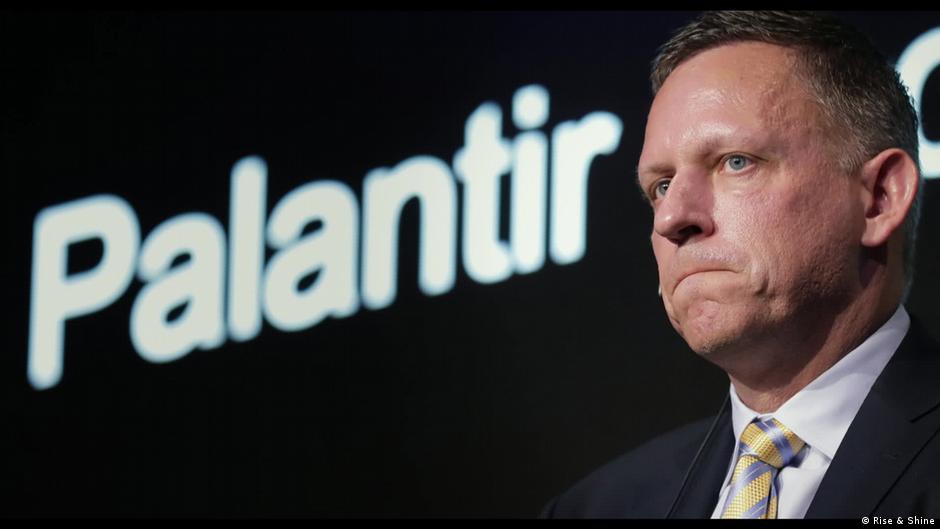
- German intel agency reportedly chooses French software over Palantir
- Move follows media reports citing Süddeutsche Zeitung, NDR, and WDR
- Civil society welcomes decision but calls for further action
Germany’s Federal Office for the Protection of the Constitution (Bundesamt für Verfassungsschutz, BfV) has reportedly declined a data analysis contract with US-based Palantir Technologies in favor of French competitor ChapsVision, according to reporting by Süddeutsche Zeitung, NDR, and WDR. The move, if confirmed, reflects growing European skepticism toward US-owned surveillance and data analytics firms amid privacy and sovereignty concerns.
The reports, published May 14, 2025, suggest the BfV—a domestic intelligence agency responsible for counterterrorism, counterespionage, and extremism monitoring—has opted for ChapsVision’s software platform instead. While neither the BfV nor Palantir has issued official statements, a spokesperson for Germany’s Ministry of the Interior told DW that the agency does not comment on operational matters due to security risks. The lack of transparency has fueled speculation about the reasoning behind the decision.
Palantir, a publicly traded US company founded in 2003, has long been a polarizing figure in global intelligence and law enforcement circles. Its Gotham and Foundry platforms are used by agencies worldwide, including in the United States and United Kingdom, for large-scale data integration and analytics. Critics argue the tools enable mass surveillance and lack sufficient oversight, while supporters credit them with enhancing threat detection and operational efficiency. The company’s ties to US intelligence and military agencies have intensified these debates.
In Europe, Palantir has faced resistance from privacy advocates and policymakers concerned about data sovereignty and compliance with the General Data Protection Regulation (GDPR). Germany, in particular, has emphasized digital sovereignty in recent years, promoting homegrown or EU-based alternatives to reduce dependence on foreign technology firms. The reported shift to ChapsVision—a French company specializing in public safety and law enforcement analytics—aligns with this strategic goal.
Civil society groups have cautiously welcomed the move. “This decision sends a strong signal that Europe is prioritizing accountability and transparency in intelligence tools,” said a spokesperson for Digitalcourage, a German digital rights organization. However, advocates stress that more systemic changes are needed, including stricter procurement rules and independent audits of all surveillance technologies used by public authorities.
German intelligence procurement stirs debate over surveillance tech
The reported choice of ChapsVision over Palantir underscores broader tensions in Europe over the use of foreign-owned data analytics platforms. In 2023, France’s interior ministry selected Palantir for a nationwide policing project despite opposition from privacy groups. Germany’s domestic intelligence agency, however, appears to be taking a different path, opting for a European solution at a time when digital autonomy is a key policy objective.
The BfV’s decision could also influence other German agencies. The Federal Criminal Police Office (Bundeskriminalamt, BKA) and state-level intelligence units regularly review software for data analysis and investigative support. If ChapsVision’s platform proves effective, it may set a precedent for future procurements, particularly in sensitive domains like counterterrorism and cybersecurity.
Critics of the reported move argue that the lack of public procurement details makes it difficult to assess whether the decision was driven by technical merit or political considerations. Palantir has previously emphasized its compliance with EU data protection laws and argued that its platforms are designed to meet stringent privacy standards. The company has not responded publicly to the reports.
Privacy advocates call for stronger oversight and transparency
Digital rights organizations are urging the German government to clarify the procurement process and ensure that any selected platform adheres to principles of necessity, proportionality, and judicial oversight. “Transparency is not optional when it comes to tools that can impact fundamental rights,” said Ulf Buermeyer, chair of the Society for Civil Rights. “We need to know why ChapsVision was chosen and how its use will be monitored.”
The BfV’s reported decision comes amid broader European efforts to reduce reliance on non-EU technology. The European Commission has prioritized the development of secure, interoperable data platforms under initiatives like the European Data Strategy. While progress has been uneven, the shift away from US-based providers signals a maturing market for privacy-conscious intelligence tools.
As of now, neither the BfV nor the German Ministry of the Interior has confirmed the procurement. Without official disclosure, questions remain about the technical specifications, cost, and deployment timeline of the ChapsVision system. For now, the reports serve as a reminder of the ongoing struggle between security imperatives, technological innovation, and democratic accountability in Europe.
The outcome of this procurement could influence similar decisions across the EU, particularly in countries weighing the trade-offs between operational effectiveness and digital sovereignty.
What You Need to Know
- Source: Deutsche Welle
- Published: May 14, 2026 at 14:27 UTC
- Category: World
- Topics: #europe · #world-news · #war · #conflict · #german
Read the Full Story
This is a curated summary. For the complete article, original data, quotes and full analysis:
All reporting rights belong to the respective author(s) at Deutsche Welle. GlobalBR News summarizes publicly available content to help readers discover the most relevant global news.
Curated by GlobalBR News · May 14, 2026
Related Articles
- Eurovision 2024 faces scrutiny over Israel’s participation amid war
- War in the Middle East: Israel targets top Hamas leader in Gaza
- US Justice Department preparing indictment against Raúl Castro
🇧🇷 Resumo em Português
A Alemanha surpreendeu ao optar por uma solução francesa de análise de dados em vez do poderoso Palantir, revelando uma tendência crescente de desconfiança em relação a tecnologias de vigilância de origem americana. O Escritório Federal Alemão para a Proteção da Constituição (BfV) escolheu o software da francesa Quantexa para aprimorar suas operações de inteligência doméstica, decisão que acendeu debates sobre soberania digital e segurança de dados.
O caso ganha relevância para o Brasil ao reforçar a discussão sobre dependência tecnológica e a busca por alternativas a fornecedores estrangeiros, especialmente em setores sensíveis como segurança e inteligência. Enquanto o Palantir, amplamente utilizado por agências americanas e europeias, enfrenta críticas por seus vínculos com a espionagem dos EUA, a opção alemã pela Quantexa — desenvolvida com foco em privacidade e regulamentações europeias — sinaliza uma virada em direção a modelos mais transparentes e alinhados com valores locais. Para o Brasil, que também enfrenta desafios de proteção de dados com a Lei Geral de Proteção de Dados (LGPD), a decisão alemã pode inspirar discussões sobre priorizar tecnologias nacionais ou aliadas em vez de soluções americanas.
A tendência levanta a questão: até que ponto países como o Brasil devem terceirizar suas ferramentas de inteligência a empresas estrangeiras, especialmente quando envolvem dados sensíveis de cidadãos?
🇪🇸 Resumen en Español
El servicio de inteligencia interior alemán, el Bundesamt für Verfassungsschutz (BfV), ha sorprendido al optar por un software francés en lugar del omnipresente Palantir para gestionar sus datos, una decisión que redefine el equilibrio tecnológico en el espionaje europeo.
La elección refleja el creciente recelo hacia las herramientas estadounidenses por parte de gobiernos europeos, que ven en ellas riesgos para la soberanía digital y la privacidad ciudadana. Francia, con su solución basada en Quasar, ofrece un modelo más transparente y alineado con las garantías del Reglamento General de Protección de Datos (GDPR), lo que ha sido celebrado por organizaciones de derechos digitales. Para los hispanohablantes, este giro subraya cómo Europa prioriza alternativas locales en sectores estratégicos, una señal de que la dependencia tecnológica podría estar llegando a su fin.
Deutsche Welle
Read full article at Deutsche Welle →This post is a curated summary. All rights belong to the original author(s) and Deutsche Welle.
Was this article helpful?


Discussion