Tech billionaires now dominate global wealth, steering AI and reshaping industries once led by industrial tycoons.
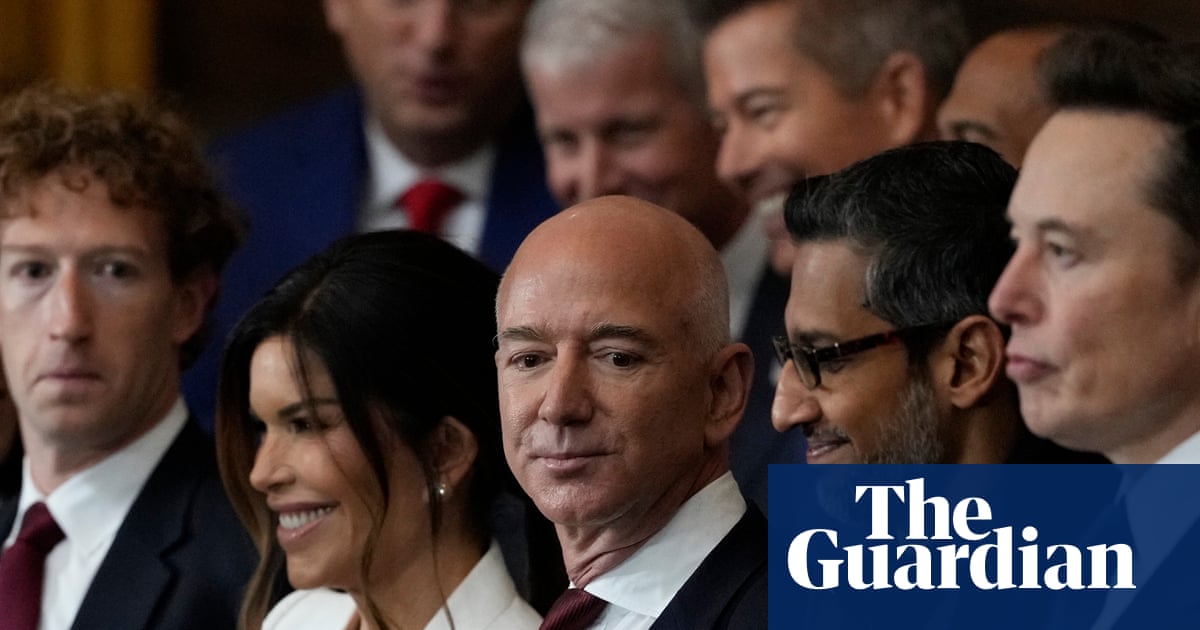
- Tech billionaires now steer AI and global tech industries
- Old billionaires led retail, media and industrial firms in 1992
- Today’s tech oligarchs hold over $1 trillion in wealth
Bill Gates became the first modern tech billionaire in 1992, joining a Forbes billionaires list dominated by industrial and retail moguls from Japan, Germany, Canada, South Korea and Sweden. The list included family fortunes from Britain and America, with fortunes totaling $100 billion—equivalent to 0.4% of U.S. GDP. Most billionaires then made their wealth from retail, media, property, packaging and industrial conglomerates.
That oligarchy has changed drastically. Today, Bernard Arnault of French luxury group LVMH and tech titans like Elon Musk, Bill Gates and Sam Altman steer AI and global technology. Their combined wealth now exceeds $1 trillion, reshaping industries once led by industrial tycoons. Gates, Musk and Altman now wield influence over AI development, raising questions about who decides the future of technology and humanity.
In 1992, the billionaires list was a mix of industries: retail, media, property, packaging and industrial firms. Japanese billionaires like Yoshiaki Tsutsumi and German industrialists like Klaus Tschira represented traditional wealth. American billionaires like Warren Buffett and David Rockefeller were outliers in a list dominated by industrial and retail fortunes.
Today, tech billionaires dominate the list. Musk, with Tesla and SpaceX, and Altman, with OpenAI, represent a new wave of wealth tied to AI and software. Their influence extends beyond business into global policy, technology standards and public discourse. Gates, once the world’s richest man, now shapes AI through his foundation and investments.
AI and the shift in global wealth
The shift from industrial to tech billionaires reflects broader changes in the global economy. AI, software and digital platforms now drive growth, replacing traditional industries. The rise of tech billionaires like Musk and Altman mirrors the rise of the internet in the 1990s and 2000s. Their wealth is tied to intangible assets—algorithms, data and intellectual property—rather than physical goods.
Critics argue that this shift concentrates power in the hands of a few. Musk’s influence over AI development, for example, raises concerns about accountability and ethics. Altman’s OpenAI, originally a nonprofit, now operates as a for-profit entity, blurring lines between public good and private profit. Gates, through his foundation, shapes global health and education policies, extending his influence beyond technology.
Who decides the future?
The rise of tech billionaires raises questions about governance and power. Who decides how AI is developed and deployed? Who sets the standards for its use in society? Musk and Altman, along with other tech leaders, now play outsized roles in shaping global technology policy. Their decisions impact billions of people, yet their power is not subject to democratic oversight.
The shift from industrial to tech billionaires also reflects changes in global wealth distribution. In 1992, billionaires were tied to national economies—Japanese, German or American industries. Today, tech billionaires operate globally, with wealth tied to digital platforms and AI. Their influence spans borders, challenging traditional notions of national wealth and power.
What happens next?
The rise of tech billionaires shows no signs of slowing. AI and digital platforms will continue to drive growth, further consolidating wealth and power in the hands of a few. Governments and regulators are struggling to keep pace, raising questions about oversight and accountability. The future of AI—and who controls it—will shape the next decade of global development.
What You Need to Know
- Source: The Guardian
- Published: March 08, 2026 at 10:00 UTC
- Category: Business
- Topics: #guardian · #business · #economy · #gdp · #tech · #from-gates
Read the Full Story
This is a curated summary. For the complete article, original data, quotes and full analysis:
All reporting rights belong to the respective author(s) at The Guardian. GlobalBR News summarizes publicly available content to help readers discover the most relevant global news.
Curated by GlobalBR News · March 08, 2026
Related Articles
- Lawyers sanctioned $110K for fake AI citations in landmark Oregon case
- Meta cuts 8,000 jobs as AI spending surges amid capitalism debate
🇧🇷 Resumo em Português
A era dos magnatas da indústria deu lugar a uma nova aristocracia tecnológica liderada por nomes como Bill Gates, Elon Musk e Sam Altman, cujas fortunas, impulsionadas pela revolução da inteligência artificial, já superam em muito os impérios construídos no século passado. Com bilhões em ativos concentrados em empresas de ponta como Microsoft, Tesla e OpenAI, esses bilionários não apenas dominam o mercado, mas também redefinem o futuro da economia global, tornando-se figuras tão poderosas quanto os antigos barões do aço ou do petróleo.
No Brasil, onde a desigualdade e a dependência de tecnologia importada já são temas recorrentes, a ascensão dessa nova elite levanta questões urgentes sobre soberania digital e concentração de riqueza. Enquanto o país ainda debate como integrar a IA em setores como saúde e agricultura, os investimentos estrangeiros nessas tecnologias — muitas vezes controladas por esses bilionários — ameaçam aprofundar a vulnerabilidade econômica brasileira. Além disso, a influência desses líderes sobre políticas públicas globais, como regulamentações de IA, pode ditar o ritmo da inovação (ou da exclusão) em países periféricos, inclusive o nosso.
A próxima década será decisiva: ou o Brasil acelera sua capacidade de produzir tecnologia própria, ou se tornará refém dos caprichos de uma oligarquia digital cada vez mais distante do controle democrático.
🇪🇸 Resumen en Español
El mundo ya no se rige por los magnates del acero o el petróleo, sino por los nuevos señores de la inteligencia artificial, como Bill Gates, Elon Musk o Sam Altman,whose fortunes now tower over those of traditional industrial tycoons. La tecnología, y en concreto la IA, se ha convertido en el nuevo motor de las grandes fortunas globales, con patrimonios que superan con creces los de las élites económicas del siglo pasado.
Este cambio de paradigma no solo refleja la acelerada transformación digital, sino que también plantea desafíos clave para la sociedad: desde la concentración del poder en unas pocas manos hasta la necesidad de regular un sector en el que la innovación avanza más rápido que la legislación. Para los hispanohablantes, la pregunta es cómo afectará esta “oligarquía tecnológica” al empleo, la educación o incluso la soberanía digital de sus países, donde la brecha con las potencias ya es un tema recurrente. La IA no solo redefine la economía, sino que también reconfigura el futuro de millones de personas en una región que aún lucha por no quedarse atrás.
The Guardian
Read full article at The Guardian →This post is a curated summary. All rights belong to the original author(s) and The Guardian.
Was this article helpful?


Discussion