Putin’s call to include Schröder in Ukraine peace talks raises questions about his neutrality amid his long history with Russia.
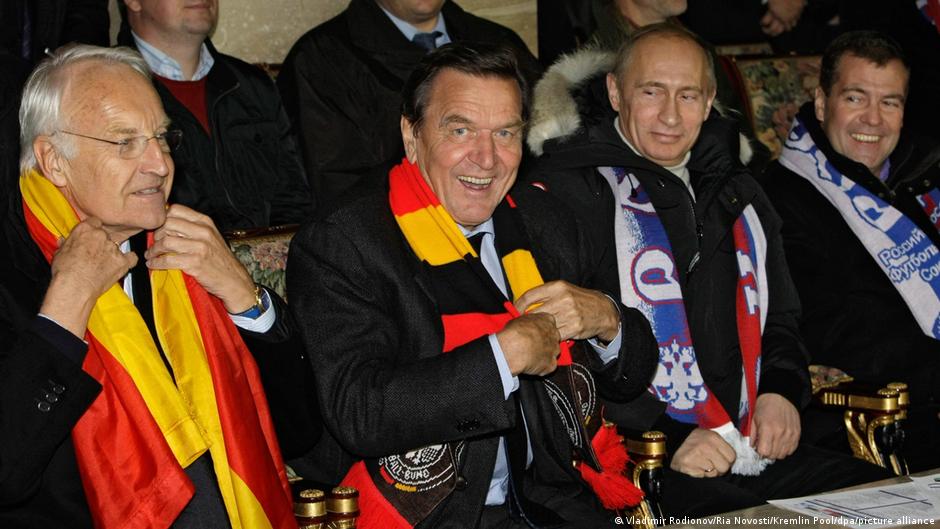
- Putin publicly endorsed Schröder as a potential Ukraine peace negotiator
- Schröder led Germany from 1998 to 2005 with a Russia-friendly foreign policy
- His support for Putin after the 2022 invasion fractured his political standing in Germany
For years, Gerhard Schröder was Germany’s chancellor and a key figure in the country’s push for closer ties with Russia. As leader of the Social Democrats from 1998 to 2005, he helped shape policies that deepened economic and energy cooperation between Berlin and Moscow, including the controversial Nord Stream gas pipeline projects. But since Russia’s full-scale invasion of Ukraine in 2022, Schröder’s stance on Moscow has made him a pariah among German politicians and many of his former allies. While other German leaders, including Angela Merkel and Olaf Scholz, have maintained pragmatic relations with Russia, Schröder’s public support for Putin’s actions went further. He dismissed sanctions against Russia, questioned Western military aid to Ukraine, and even visited Moscow shortly after the invasion to meet Putin in person. That trip, in March 2022, drew global criticism and led to his expulsion from his own party’s parliamentary group. ## Schröder’s Russia ties go beyond politics Schröder’s personal friendship with Putin dates back decades. They first met in the 1990s when Schröder was still a regional governor and Putin was a rising Kremlin official. The bond grew stronger during Schröder’s time as chancellor, when the two leaders bonded over shared interests like soccer and energy deals. After leaving office, Schröder joined the board of Rosneft, Russia’s state-owned oil giant, a move that outraged German officials. He also became a vocal advocate for lifting sanctions and restarting gas imports from Russia, even as Europe scrambled to wean itself off Russian energy. His stance put him at odds with Germany’s official policy and most of its political class. ## Why Putin would push Schröder as a mediator Putin’s endorsement of Schröder as a potential mediator isn’t just a random suggestion. It’s a calculated move aimed at undermining Western unity on Ukraine. By proposing a figure who’s already distrusted in the West, Putin might be trying to create divisions or at least complicate negotiations. Schröder’s presence could signal to some European audiences that Russia is open to dialogue, even as it continues its war in Ukraine. Analysts note that Putin has few trusted European interlocutors left after years of sanctions and diplomatic isolation. Schröder’s willingness to engage—despite his tarnished reputation—could make him a useful pawn in Moscow’s long-term strategy. ## Germany’s reaction: skepticism and rejection The German government has made it clear it doesn’t see Schröder as a credible figure for peace talks. Foreign Minister Annalena Baerbock has repeatedly criticized his pro-Russia positions, calling them incompatible with Germany’s support for Ukraine. Even within Schröder’s own Social Democratic Party, his Russia ties have led to his marginalization. His party expelled him from its parliamentary group in 2022, and he’s since become a freelance commentator rather than a serious political player. Public opinion in Germany is overwhelmingly against him. Polls show that over 70% of Germans view Schröder as too compromised to represent their country in any serious diplomatic role. ## What happens next? For now, Schröder’s role remains hypothetical. Putin floated the idea in an interview, but there’s no indication that Kyiv or Western capitals are considering him. Even if talks were to resume, Schröder would face an uphill battle just to be taken seriously. His inclusion could backfire, hardening positions on both sides rather than easing tensions. Meanwhile, Germany’s political establishment is focused on supporting Ukraine’s defense and pushing for a negotiated end to the war—just not with figures like Schröder at the table. The bigger question isn’t really about Schröder. It’s about whether any European leader can credibly mediate a conflict where one side still insists on total victory.
What You Need to Know
- Source: Deutsche Welle
- Published: May 10, 2026 at 16:38 UTC
- Category: World
- Topics: #europe · #world-news · #war · #conflict · #could-german
Read the Full Story
This is a curated summary. For the complete article, original data, quotes and full analysis:
All reporting rights belong to the respective author(s) at Deutsche Welle. GlobalBR News summarizes publicly available content to help readers discover the most relevant global news.
Curated by GlobalBR News · May 10, 2026
Related Articles
- Zimbabwe’s diaspora reshapes real estate and farming investment trends
- 🎉 250 Articles in World!
- Eurovision 2024 faces scrutiny over Israel’s participation amid war
🇧🇷 Resumo em Português
A proposta do presidente russo, Vladimir Putin, de nomear o ex-chanceler alemão Gerhard Schröder como mediador no conflito na Ucrânia chocou a comunidade internacional e reacendeu um debate sobre neutralidade e interesses ocultos. A indicação, feita em meio a uma escalada de tensões que já dura mais de dois anos, expõe as contradições de um diplomata cuja trajetória está profundamente ligada ao Kremlin, desde seus tempos à frente da Alemanha até sua atuação posterior como lobista de empresas russas, como a Gazprom.
Schröder, que governou a Alemanha entre 1998 e 2005, sempre manteve relações estreitas com Moscou, inclusive recebendo a Ordem de Honra da Rússia em 2017, um ano após sua aposentadoria política. Para o Brasil e os falantes de português, o caso serve como um alerta sobre o peso da diplomacia pessoal e dos laços históricos em conflitos internacionais, especialmente quando esses interesses se confundem com a busca por paz. Além disso, levanta questões sobre o papel de ex-líderes em missões de mediação, um tema que pode ressoar em um país acostumado a figuras como Lula da Silva, cujas viagens internacionais recentes também geraram polêmicas sobre neutralidade.
O impasse segue em aberto: enquanto Putin insiste na candidatura de Schröder, a Ucrânia e seus aliados ocidentais rejeitam a ideia, temendo que a proposta esconda uma manobra para legitimar ganhos territoriais russos. O próximo passo será definir quem, de fato, terá assento à mesa de negociações — e se a diplomacia ainda tem espaço para soluções que não sejam apenas temporárias.
🇪🇸 Resumen en Español
El expresidente alemán Gerhard Schröder podría convertirse en un pieza clave para desbloquear la guerra en Ucrania, pero su nombramiento como posible mediador ha encendido una fuerte polémica internacional. La propuesta, lanzada por el Kremlin, ha reavivado el debate sobre la imparcialidad en los procesos de paz, dado el historial del político germano, estrechamente vinculado a intereses rusos durante y después de su mandato.
La relevancia de este nombramiento trasciende las fronteras europeas, pues Schröder simboliza la compleja red de relaciones que Alemania —y gran parte de Europa— mantuvo con Rusia antes de la invasión. Su cercanía a Vladimir Putin durante años, incluso como presidente, y su posterior papel en el sector energético ruso, donde fue criticado por beneficiarse de acuerdos opacos, generan dudas sobre su capacidad para mediar con ecuanimidad. Para los hispanohablantes, especialmente en países con economías dependientes de energías fósiles o con intereses geopolíticos en la región, el caso sirve como recordatorio de los riesgos de priorizar la estabilidad comercial sobre la integridad democrática, un debate que resuena en un contexto global marcado por tensiones entre bloques y la búsqueda de salidas diplomáticas.
Deutsche Welle
Read full article at Deutsche Welle →This post is a curated summary. All rights belong to the original author(s) and Deutsche Welle.
Was this article helpful?
Discussion