WHO declares international emergency as Ebola kills 50% of infected in Congo and spreads to Uganda.

- WHO declares Ebola emergency in Congo and Uganda
- Bundibugyo virus strain kills half its victims
- DRC reports 80 suspected deaths and 246 suspected cases
📰 Continuing coverage: WHO declares Ebola outbreak in DR Congo a global emergency
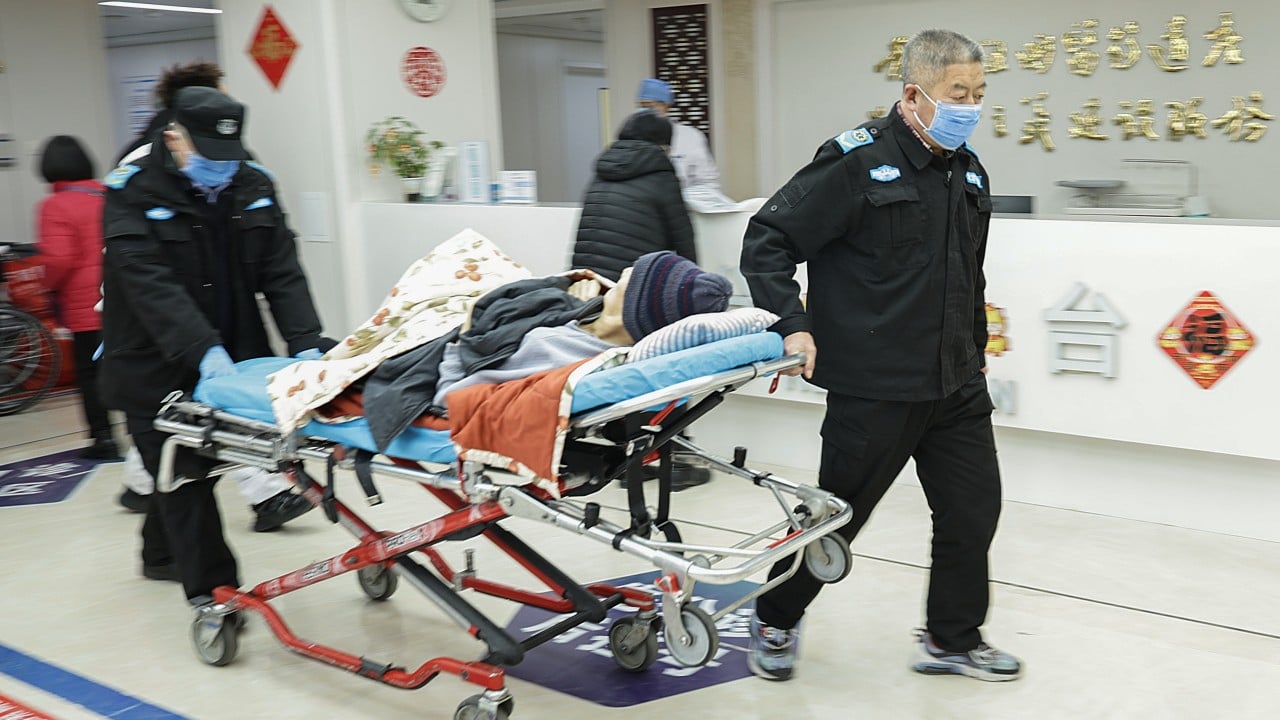
The World Health Organization (WHO) officially declared an Ebola outbreak a ‘public health emergency of international concern’ on May 18, 2026. The virus, which jumped from bats to humans, has already killed dozens in the Democratic Republic of Congo’s Ituri province and spread into neighboring Uganda. Authorities say the real toll could be much higher than reported because many cases likely go undetected in remote areas with weak healthcare systems. The current outbreak involves the Bundibugyo virus strain, a rare and deadly type of Ebola with no approved vaccine or treatment. Its lethality rate can reach 50%, meaning half the people infected will die without proper care. This strain first emerged in Uganda in 2007 but has since resurfaced in Congo, where it’s now killing people at alarming rates. The WHO’s emergency declaration puts pressure on global health agencies to accelerate research, funding, and cross-border coordination. It also triggers legal obligations for member countries to step up surveillance and share data quickly. But the agency stressed that while the situation is serious, it does not yet meet the threshold for a pandemic emergency. Still, the risk of further spread remains high, especially in countries that share land borders with Congo. The DRC’s health minister, Samuel-Roger Kamba, told reporters the strain’s lack of a vaccine makes containment much harder. ‘This is a virus that moves fast and kills faster,’ he said. ‘Without a vaccine, every case is a potential death sentence.’ Public health experts warn that if the outbreak isn’t controlled quickly, it could spill into more cities or even cross into other countries with weaker health systems. The WHO’s emergency committee met Friday to review the situation and decided the outbreak now poses a serious enough threat to global health to warrant the highest alert level short of a pandemic. As of May 17, Congo reported 80 suspected deaths, 8 confirmed cases, and 246 suspected cases in Ituri province. Uganda confirmed its first cases over the weekend, with two lab-confirmed infections—including one death—in people who traveled from Congo. Health officials in Kampala, Uganda’s capital, are now tracking dozens of contacts and setting up isolation units. ## Why this Ebola strain is so dangerous Health officials say the Bundibugyo virus is particularly tricky because it’s harder to diagnose early. Early symptoms—fever, muscle pain, fatigue—mimic malaria or other tropical diseases, so infected people often don’t seek care until it’s too late. The virus spreads through direct contact with bodily fluids, making it easy to transmit in crowded clinics or homes where families care for the sick without proper protection. Unlike the Zaire strain, which caused the 2014-2016 West Africa outbreak, Bundibugyo has no proven treatment or preventive vaccine. Experimental drugs and experimental vaccines are in early testing phases, but none are available at scale. The WHO says it’s working with partners like Gavi, the Vaccine Alliance to fast-track access, but that could take months. Meanwhile, the virus is spreading in areas where trust in government and health workers is already low. Rumors and misinformation have led some communities to avoid treatment centers, fearing they’ll be harmed or that their loved ones won’t survive. Health workers have reported being chased away or attacked in some villages, slowing efforts to track cases. ## What happens next and who’s at risk The WHO’s emergency declaration is meant to shake loose more resources and attention from countries and donors. But turning the tide will require more than money. It’ll need boots on the ground: epidemiologists, contact tracers, and community health workers who can work safely in high-risk zones. Uganda’s government has already started screening travelers at borders and airports, but porous borders make it hard to stop the virus from crossing. Congo’s health ministry has asked for $50 million in emergency funds to ramp up response efforts, including setting up more treatment centers and improving disease surveillance. The WHO is also urging countries to avoid unnecessary travel bans, which can backfire by driving cases underground. Experts say the biggest risk now is complacency. With global attention focused on other crises, Ebola could quietly spread until it’s too late to contain. But if this outbreak is controlled quickly, it could become a lesson in how to stop the next one before it gets out of hand. For now, the focus is on stopping the spread in Congo and Uganda before the virus finds new footholds elsewhere. The WHO says it will reassess the emergency status in three months—but if cases keep climbing, that deadline could come sooner.
What You Need to Know
- Source: Deutsche Welle
- Published: May 17, 2026 at 04:06 UTC
- Category: World
- Topics: #europe · #world-news · #war · #conflict · #ebola
Read the Full Story
This is a curated summary. For the complete article, original data, quotes and full analysis:
All reporting rights belong to the respective author(s) at Deutsche Welle. GlobalBR News summarizes publicly available content to help readers discover the most relevant global news.
Curated by GlobalBR News · May 17, 2026
Related Articles
- 🎉 250 Articles in World!
- WHO declares Ebola outbreak in DR Congo a global emergency
- Bulgaria wins Eurovision 2025 with Dara’s historic victory
🇧🇷 Resumo em Português
A Organização Mundial da Saúde (OMS) declarou emergência global após o surto de Ebola na República Democrática do Congo (RDC) se espalhar para Uganda, colocando em alerta governos e especialistas em saúde pública. O vírus da cepa Bundibugyo, que não tem vacina e apresenta uma taxa de mortalidade de 50%, já ameaça países vizinhos, desafiando estratégias internacionais de contenção.
No Brasil, onde a vigilância sanitária mantém protocolos rígidos, a notícia reacende preocupações sobre a capacidade de resposta rápida a doenças infecciosas, especialmente em um cenário de circulação global de pessoas. A chegada do vírus a Uganda, país com laços comerciais e migratórios com nações lusófonas africanas como Angola e Moçambique, amplia o risco de disseminação para territórios de língua portuguesa, onde sistemas de saúde muitas vezes enfrentam limitações estruturais.
Especialistas já alertam para a possibilidade de novos casos nos próximos meses, exigindo que governos e organizações reforcem medidas preventivas e coordenem ações de saúde pública em escala regional.
🇪🇸 Resumen en Español
La Organización Mundial de la Salud (OMS) ha declarado la emergencia sanitaria internacional ante el preocupante avance del brote de ébola en África central, que ha alcanzado ya a Uganda desde la República Democrática del Congo, donde se originó. La cepa Bundibugyo, identificada en esta región, carece de vacuna y presenta una letalidad del 50%, lo que agrava la situación y anticipa un posible aumento de casos en los próximos meses.
El contexto de este brote recuerda a la crisis desatada en 2014 en África Occidental, cuando el ébola se extendió por Guinea, Liberia y Sierra Leona, dejando más de 11.000 muertos. La actual expansión hacia Uganda, país con sistemas sanitarios más robustos pero con fronteras porosas, subraya los riesgos de una enfermedad que, sin control, podría cruzar continentes. Para los hispanohablantes, la alerta resuena especialmente en un mundo globalizado, donde la movilidad internacional exige una respuesta coordinada que evite una repetición de tragedias pasadas. La OMS insiste en la necesidad de financiación urgente para contener el virus antes de que sea demasiado tarde.
Deutsche Welle
Read full article at Deutsche Welle →This post is a curated summary. All rights belong to the original author(s) and Deutsche Welle.
Was this article helpful?

Discussion