Iraq swears in Ali al-Zaidi as PM, pledging state weapons control while U.S. pressures Baghdad to disarm Iran-backed factions.
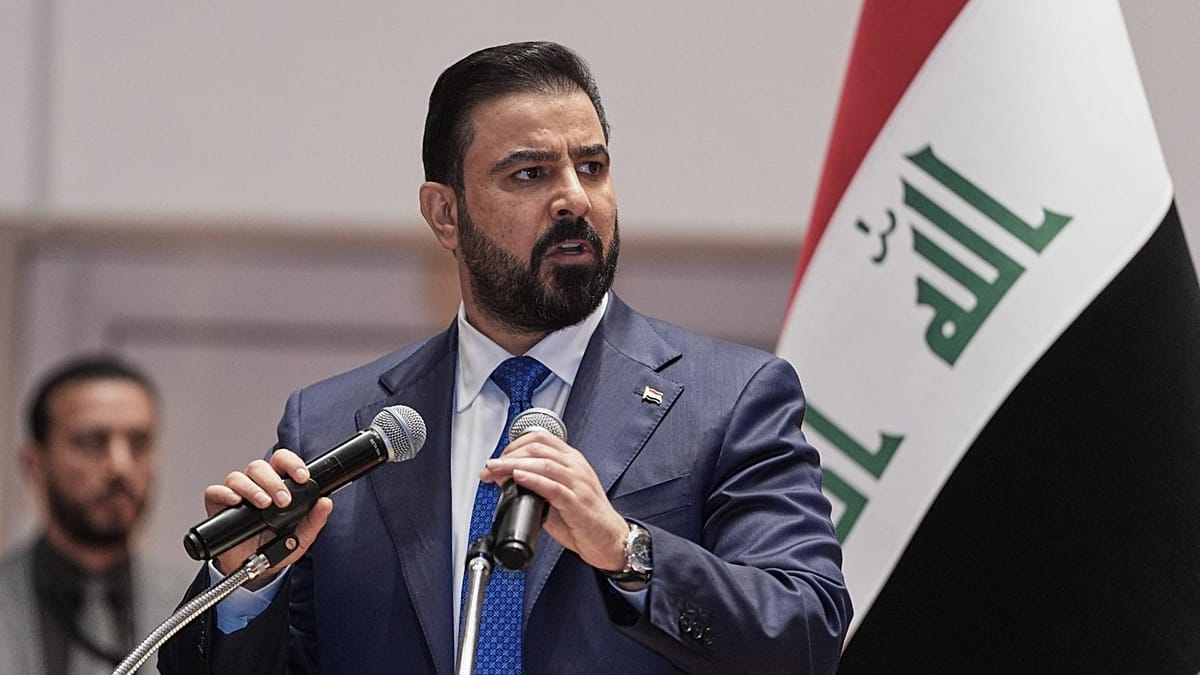
- Iraqi parliament approves Ali al-Zaidi as new prime minister on Thursday
- Al-Zaidi vows state monopoly on weapons amid U.S. pressure
- Washington pushes Baghdad to disarm Iran-backed groups
BAGHDAD — Iraq’s parliament swore in Prime Minister Ali al-Zaidi’s government Thursday, marking a new chapter in the country’s fragile political landscape as Washington intensifies pressure on Baghdad to dismantle Iran-backed armed groups operating within its borders.
Al-Zaidi, 43, told lawmakers in a televised address that his government would enforce a state monopoly on weapons, signaling a direct challenge to militias that have operated with near impunity for years. His remarks came amid escalating U.S. demands that Iraq curtail the influence of armed factions tied to Tehran, including Kata’ib Hezbollah and Asa’ib Ahl al-Haq, both designated as terrorist organizations by Washington.
Iraq’s new leader faces immediate security hurdles
The approval of al-Zaidi’s cabinet follows months of political deadlock and coalition negotiations after Iraq’s October 2023 parliamentary elections. His government, a coalition of Shiite, Sunni, and Kurdish parties, faces immediate scrutiny over its ability to assert control over Iraq’s fractured security sector, where Iran-backed militias wield significant power through their integration into state security forces and parallel armed structures.
U.S. officials have repeatedly warned that the continued presence and activity of these groups threaten regional stability and undermine Iraq’s sovereignty. In a statement Thursday, the U.S. Embassy in Baghdad reiterated its call for Iraq to “fully implement its obligations” under international law and the 2008 U.S.-Iraq security agreement, which prohibits armed groups from operating outside state control.
Al-Zaidi’s agenda: security, reform, and regional balancing
Al-Zaidi, a former communications minister and close ally of Shiite leader Muqtada al-Sadr, has pledged to prioritize economic recovery, anti-corruption measures, and the restoration of Baghdad’s authority over all armed actors. His government includes technocrats and reformists, but key security portfolios remain contested, with militia-aligned figures retaining influence in the Interior and Defense ministries.
Analysts say al-Zaidi’s ability to curb Iran-backed groups will depend on his political maneuvering within Iraq’s complex ethno-sectarian power-sharing system. The new prime minister has signaled willingness to engage with Washington but faces pressure from both domestic factions and regional actors, including Iran, which views these militias as strategic assets.
Regional tensions rise as U.S. ramps up pressure
Tensions between Iraq and Iran-backed armed groups have surged this year, with multiple attacks on U.S. military bases in Iraq and Syria attributed to Kata’ib Hezbollah and other factions. The U.S. has responded with airstrikes targeting militia positions and increased diplomatic pressure on Baghdad to act.
Iraqi officials, speaking on condition of anonymity, said al-Zaidi’s government is preparing a national reconciliation plan aimed at integrating armed groups into state institutions or demobilizing them. However, the plan’s success remains uncertain amid deep mistrust and competing regional interests.
The U.S. has also tied continued military cooperation to Iraq’s compliance, with Pentagon officials warning that failure to disarm these groups could jeopardize future bilateral defense engagements. Iraq, for its part, has called for dialogue and gradual reform, arguing that abrupt moves could trigger violent backlash.
What comes next for Iraq’s fragile stability
The coming weeks will be critical as al-Zaidi’s government attempts to consolidate power and assert control over security institutions long dominated by armed factions. Parliament is expected to vote on key ministerial appointments in the next 10 days, with particular focus on the interior and defense portfolios, traditionally flashpoints for militia influence.
International observers are watching closely to see whether Baghdad can balance U.S. demands with domestic political realities. Failure could deepen Iraq’s instability, while success may reshape the country’s security architecture and regional alliances.
Analysts warn that without tangible progress, Iraq risks sliding back into cycles of violence and political paralysis, undermining its fragile post-war recovery.
What You Need to Know
- Source: Euronews
- Published: May 15, 2026 at 10:12 UTC
- Category: World
- Topics: #euronews · #europe · #world-news · #politics · #government · #iraq
Read the Full Story
This is a curated summary. For the complete article, original data, quotes and full analysis:
All reporting rights belong to the respective author(s) at Euronews. GlobalBR News summarizes publicly available content to help readers discover the most relevant global news.
Curated by GlobalBR News · May 15, 2026
Related Articles
- US proposes 40% cut in Colorado River water for 3 states amid drought
- Trump urges Taiwan to avoid independence amid rising China tensions
- Xi gives Trump private tour of secret garden in Beijing
🇧🇷 Resumo em Português
O Iraque finalmente respira alívio com a posse do novo primeiro-ministro Ali al-Zaidi, que promete assumir o controle sobre as armas no país, enquanto os Estados Unidos aumentam a pressão sobre Bagdá para desarmar as milícias xiitas apoiadas pelo Irã. A nomeação de al-Zaidi, após meses de impasse político, chega em um momento crucial, quando o governo iraquiano tenta equilibrar a influência regional e as demandas internas por segurança e soberania.
A nomeação do novo premiê iraquiano ganha contornos estratégicos para o Brasil e os países lusófonos, sobretudo porque o cenário de tensão no Oriente Médio afeta diretamente a estabilidade global, inclusive a segurança energética e os fluxos comerciais que impactam economias como a brasileira. Além disso, o Brasil tem mantido diálogos constantes com o Iraque, um dos principais fornecedores de petróleo para o país, e a situação interna iraquiana pode redefinir alianças e parcerias no setor. A promessa de al-Zaidi de controlar as armas estatais e combater grupos armados não estatais soa como uma resposta direta às pressões de Washington, mas também como um sinal de que Bagdá busca reafirmar sua autonomia frente às influências externas.
Agora, o desafio será ver se al-Zaidi conseguirá cumprir suas promessas em um ambiente político fragmentado e dominado por facções armadas, enquanto os EUA mantêm sua postura de cobrar resultados concretos.
🇪🇸 Resumen en Español
Irak da un paso clave en su estabilidad con la investidura de un nuevo primer ministro decidido a recuperar el control sobre las milicias armadas, en un momento en que las presiones de Washington exigen a Bagdad desarmar a las facciones respaldadas por Irán. Ali al-Zaidi, recién nombrado al frente del Gobierno, ha prometido en su discurso de investidura someter a las armas estatales un control absoluto, una declaración que llega en un contexto de creciente tensión regional y división interna.
La llegada de al-Zaidi, avalada por una mayoría parlamentaria, refleja no solo el hartazgo de la población ante la inseguridad, sino también la urgencia de cumplir con las exigencias de Estados Unidos, que amenaza con sanciones si no se desmantelan las estructuras armadas no reguladas. Para los lectores hispanohablantes, este escenario evoca dilemas similares en otros conflictos donde la injerencia externa y las divisiones internas han prolongado la inestabilidad. La apuesta del nuevo Gobierno por la soberanía sobre las armas podría redefinir el equilibrio de poder en la región, con consecuencias directas para la seguridad de los ciudadanos y la credibilidad de las instituciones iraquíes en el escenario internacional.
Euronews
Read full article at Euronews →This post is a curated summary. All rights belong to the original author(s) and Euronews.
Was this article helpful?
Discussion