Wegovy and Mounjaro reduce appetite and slow digestion by mimicking gut hormones, aiding weight loss.

- Mimic gut hormones GLP-1 and GIP to reduce appetite
- Slow digestion by delaying stomach emptying
- Approved for obesity treatment in UK and US
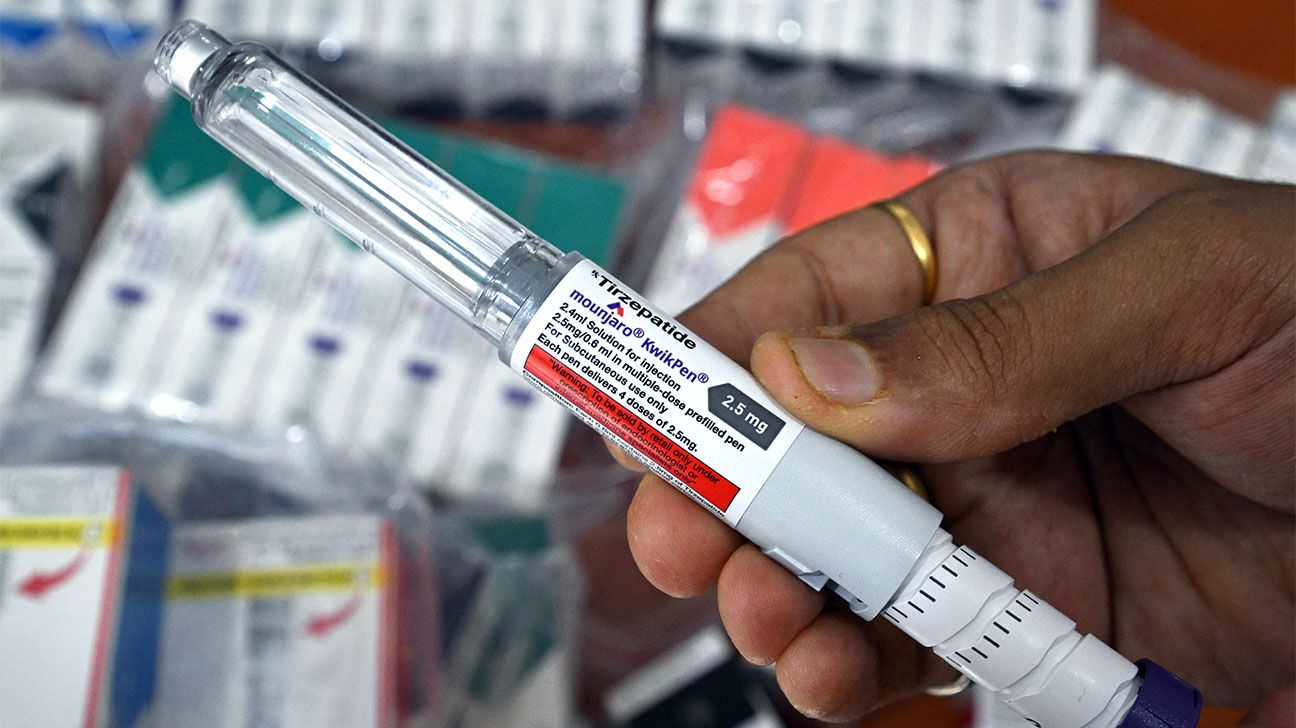
Wegovy and Mounjaro belong to a class of drugs called GLP-1 receptor agonists, which mimic the action of a natural hormone in the gut. Both medications are approved for chronic weight management in adults with obesity or overweight conditions related to other health risks. Wegovy contains semaglutide, the same active ingredient in the diabetes drug Ozempic. Mounjaro contains tirzepatide, which targets both GLP-1 and GIP receptors, offering a dual approach to appetite regulation.
These drugs work primarily by activating receptors in the brain that control hunger and fullness. When introduced into the bloodstream, they bind to GLP-1 receptors, reducing appetite and increasing feelings of satiety. This effect helps patients eat less and lose weight over time. Additionally, both drugs slow digestion by delaying stomach emptying, which further contributes to reduced food intake.
How Wegovy and Mounjaro are prescribed
Wegovy and Mounjaro are available on the UK National Health Service (NHS) for patients who meet specific criteria, such as a body mass index (BMI) of 35 or higher or 30 or higher with weight-related conditions. The NHS may also consider prescribing these drugs to younger patients in certain cases. For those who do not qualify for NHS coverage, both medications can be obtained privately with a prescription from a general practitioner or specialist clinic.
Dosage typically starts low and increases gradually to minimize side effects like nausea or constipation, which are common in the early stages of treatment. Patients receive ongoing support from healthcare providers to monitor progress and adjust doses as needed. Clinical trials show that users can lose 10-20% of their body weight over 68 weeks when combined with diet and exercise.
Side effects and considerations
The most frequently reported side effects include gastrointestinal issues such as nausea, vomiting, diarrhea, and constipation. These symptoms are usually temporary and diminish as the body adjusts to the medication. Rare but serious risks include pancreatitis, gallbladder problems, and an increased risk of thyroid tumors in animal studies, though human data remains inconclusive.
Doctors emphasize the importance of using these medications as part of a broader weight-management plan. Lifestyle changes, including dietary adjustments and increased physical activity, remain critical for long-term success. Patients should also be monitored for signs of depression or self-harm, as some users report mood changes.
Availability and cost
Wegovy’s annual cost on the NHS is estimated at £1,800 to £3,000, while Mounjaro’s price ranges from £1,200 to £2,500 per year. Private prescriptions may cost more, with some clinics charging up to £300 per month. The NHS restricts prescriptions to patients with a BMI of 40 or higher or 35 or higher with obesity-related complications such as type 2 diabetes or high blood pressure.
Demand for these drugs has surged, leading to shortages in some regions. The UK government has secured additional supply deals to address the backlog, but wait times for NHS prescriptions may still be lengthy. Patients seeking faster access often turn to private providers, though costs can be prohibitive for many.
The future of obesity treatments looks set to expand, with new drugs and combination therapies in development. Researchers are exploring options that could offer similar benefits with fewer side effects or lower costs. For now, Wegovy and Mounjaro remain among the most effective pharmaceutical tools for weight loss in patients who qualify.
What You Need to Know
- Source: BBC News
- Published: May 13, 2026 at 13:38 UTC
- Category: Health
- Topics: #bbc · #health · #medicine · #mounjaro · #wegovy · #wegovy-and-mounjaro-weight-loss-drugs
Read the Full Story
This is a curated summary. For the complete article, original data, quotes and full analysis:
All reporting rights belong to the respective author(s) at BBC News. GlobalBR News summarizes publicly available content to help readers discover the most relevant global news.
Curated by GlobalBR News · May 13, 2026
Related Articles
- Midlife fitness boosts lifespan and health by 5+ years study finds
- Why ‘Ballmaxxing’ May Be More Dangerous Than You Think
- Weight Loss Surgeries Decline as GLP-1 Use Skyrockets. Why This Matters
🇧🇷 Resumo em Português
O Brasil pode estar diante de uma revolução silenciosa no combate à obesidade, com medicamentos que prometem mais do que dietas intermitentes ou shakes milagrosos. Wegovy e Mounjaro, dois fármacos injetáveis inicialmente desenvolvidos para tratar diabetes, vêm ganhando destaque global por sua eficácia em promover perda de peso significativa, chegando a reduzir até 20% do peso corporal em usuários — números que superam em muito os resultados de métodos tradicionais.
Essas drogas, pertencentes à classe dos agonistas do receptor de GLP-1, atuam principalmente no cérebro, reduzindo a fome e retardando a digestão, o que leva a uma ingestão menor de calorias sem sacrifícios extremos. Embora ainda não tenham aprovação definitiva para obesidade no Brasil — diferentemente do que ocorre no Reino Unido, onde já são oferecidos pelo sistema público de saúde (NHS) —, já são prescritos por endocrinologistas no país para casos específicos. Especialistas brasileiros alertam, no entanto, para a importância de um acompanhamento médico rigoroso, já que efeitos colaterais como náuseas e distúrbios gastrointestinais podem ocorrer, além do alto custo que limita o acesso à maioria da população.
A tendência é que, com o avanço de pesquisas e possíveis parcerias internacionais, esses medicamentos ganhem mais espaço no SUS ou em políticas públicas de saúde, transformando o tratamento da obesidade no Brasil — que já é considerado um problema de saúde pública — com base em ciência, não em modismos.
🇪🇸 Resumen en Español
La ciencia avanza a pasos agigantados en la lucha contra la obesidad, y dos fármacos, Wegovy y Mounjaro, se han convertido en protagonistas indiscutibles gracias a su capacidad para transformar el tratamiento de esta condición crónica.
Estos medicamentos, basados en agonistas del receptor GLP-1, actúan reduciendo el apetito y ralentizando la digestión, lo que facilita una pérdida de peso significativa y sostenida. Aunque ya están disponibles en el sistema público británico (NHS) y en el mercado privado, su relevancia trasciende fronteras, especialmente en países con altas tasas de obesidad como España. Para los hispanohablantes, estos fármacos representan una esperanza, pero también plantean interrogantes sobre su accesibilidad, efectos secundarios y el debate ético en torno al uso de soluciones farmacológicas en un problema que va más allá de la simple pérdida de kilos.
BBC News
Read full article at BBC News →This post is a curated summary. All rights belong to the original author(s) and BBC News.
Was this article helpful?

Discussion