Iran insists U.S. must show seriousness before nuclear talks can proceed.
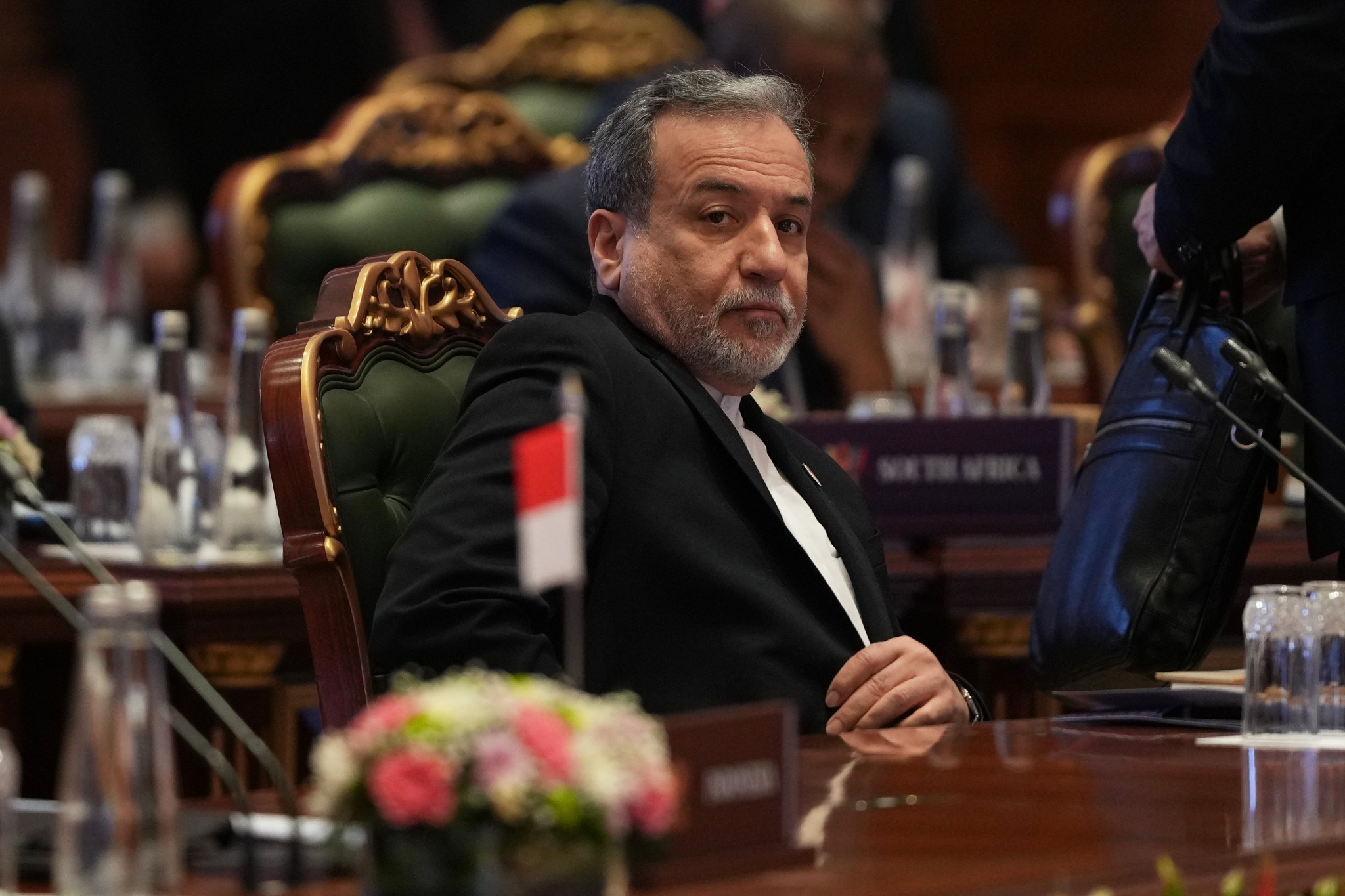
- Iran’s foreign minister questions U.S. seriousness in nuclear talks
- Trump dismissed Iran’s proposal as garbage this week
- Tehran open to diplomatic help from China to ease tensions
Iranian Foreign Minister Abbas Araghchi said Friday that contradictory messages from the U.S. have made Tehran reluctant to believe in Washington’s intentions, calling distrust the biggest obstacle in nuclear negotiations. Speaking to reporters in New Delhi, Araghchi stated that Iran would move forward with talks only if the U.S. demonstrates a commitment to a “fair and balanced deal.” The comments follow President Donald Trump’s dismissal of Iran’s latest formal proposal as “garbage” earlier this week, further straining already tense diplomatic relations.
Iran seeks outside help to break deadlock
Araghchi confirmed that Iran remains open to diplomatic intervention from third parties, particularly China, to help ease tensions and facilitate negotiations. “We need to see real actions from the Americans,” he said, emphasizing that past inconsistencies have left Tehran questioning Washington’s sincerity. The foreign minister did not rule out continued talks but stressed that progress depends on tangible steps from the U.S. side.
U.S. demands have centered on removing highly enriched uranium from Iran and preventing the country from developing nuclear weapons. However, Iran’s latest proposal reportedly included some nuclear concessions, which Trump dismissed as insufficient. The exchange highlights the widening gap between the two sides and the challenges ahead in reviving stalled negotiations.
Trump’s rhetoric fuels skepticism in Tehran
Trump’s public dismissal of Iran’s proposal has further eroded trust in Washington’s approach, according to Iranian officials. The president’s comments, made during a week of heightened rhetoric, have reinforced Tehran’s belief that the U.S. may not be serious about reaching a sustainable agreement. Araghchi’s remarks suggest that Iran is prepared to explore alternative diplomatic avenues, including engaging with other global powers, if the U.S. fails to demonstrate flexibility.
The stalemate comes amid broader geopolitical tensions, with both sides accusing each other of undermining the possibility of a deal. Iran has long insisted that its nuclear program is for peaceful purposes, while the U.S. and its allies remain unconvinced. The latest round of talks, which have been stalled for months, now face even greater hurdles following Trump’s dismissive remarks.
What happens next in nuclear negotiations?
With Iran reaffirming its willingness to negotiate under the right conditions and the U.S. maintaining its hardline stance, the path forward remains uncertain. Analysts suggest that without a significant shift in either side’s position, the diplomatic deadlock could persist. Meanwhile, Iran’s openness to third-party mediation, particularly from China, may introduce new dynamics into the stalled talks. The coming weeks will be critical in determining whether either side can bridge the gap or if tensions will escalate further.
What You Need to Know
- Source: Fortune
- Published: May 16, 2026 at 14:10 UTC
- Category: Business
- Topics: #fortune · #business · #economy · #war · #conflict · #iran
Read the Full Story
This is a curated summary. For the complete article, original data, quotes and full analysis:
All reporting rights belong to the respective author(s) at Fortune. GlobalBR News summarizes publicly available content to help readers discover the most relevant global news.
Curated by GlobalBR News · May 16, 2026
Related Articles
- Kevin O’Leary: Gen Z founders working 18-hour days make ‘no sense’
- Lawyers sanctioned $110K for fake AI citations in landmark Oregon case
- Taiwan arms sales top Trump-Xi talks agenda as Xi meet ends
🇧🇷 Resumo em Português
O governo iraniano acendeu um novo alerta no tabuleiro geopolítico ao questionar a seriedade dos Estados Unidos em retomar o acordo nuclear, depois que o ex-presidente Donald Trump descartou as propostas como “lixo”. Em meio à tensão crescente entre Teerã e Washington, a declaração do ministro das Relações Exteriores do Irã, Hossein Amir-Abdollahian, jogou mais lenha na fogueira das negociações interrompidas, reacendendo dúvidas sobre a viabilidade de um novo pacto. A desconfiança mútua entre as partes, agravada por anos de sanções e retórica agressiva, ameaça não só a estabilidade do Oriente Médio, mas também os interesses econômicos globais, incluindo os do Brasil, que mantém relações comerciais com ambos os países.
O Brasil, como mediador histórico em crises diplomáticas, tem muito a perder se o impasse persistir, especialmente no que diz respeito ao fornecimento de petróleo e à segurança energética. O país importa cerca de 5% de seu petróleo do Irã, um parceiro comercial estratégico, e qualquer escalada de conflitos poderia elevar os preços dos combustíveis no mercado interno, pressionando ainda mais a inflação. Além disso, a participação do Brasil no BRICS e sua aspiração a um assento permanente no Conselho de Segurança da ONU tornam a crise iraniana um tema de interesse nacional, exigindo uma postura ativa na busca por soluções pacíficas.
Se a desconfiança não for superada rapidamente, o risco de um novo confronto militar no Golfo Pérsico — e suas consequências para a economia global — pode se tornar inevitável, colocando em xeque não apenas acordos passados, mas também o futuro das relações internacionais na era pós-Trump.
🇪🇸 Resumen en Español
El ministro de Exteriores iraní, Hossein Amir-Abdollahian, ha lanzado una advertencia contundente al señalar que Irán desconfía de la seriedad de Estados Unidos tras el rechazo de Donald Trump a las propuestas para reactivar el acuerdo nuclear, tachadas de “basura” por el expresidente.
La tensión entre ambos países, lejos de remitir, se recrudece en un momento clave para la geopolítica energética y la estabilidad regional. Para los hispanohablantes, especialmente en Europa y Latinoamérica, este enfrentamiento tiene implicaciones directas: desde el encarecimiento de los combustibles hasta la incertidumbre en los mercados de petróleo y gas, donde Irán ejerce un papel estratégico. Además, la escalada de desconfianza dificulta cualquier avance diplomático, lo que podría prolongar la crisis y afectar a economías dependientes de la energía, como la española, en un contexto ya marcado por la inflación y la transición energética.
Fortune
Read full article at Fortune →This post is a curated summary. All rights belong to the original author(s) and Fortune.
Was this article helpful?



Discussion