BJP flips West Bengal after 10 years of TMC, marking Modi's biggest electoral gain yet.
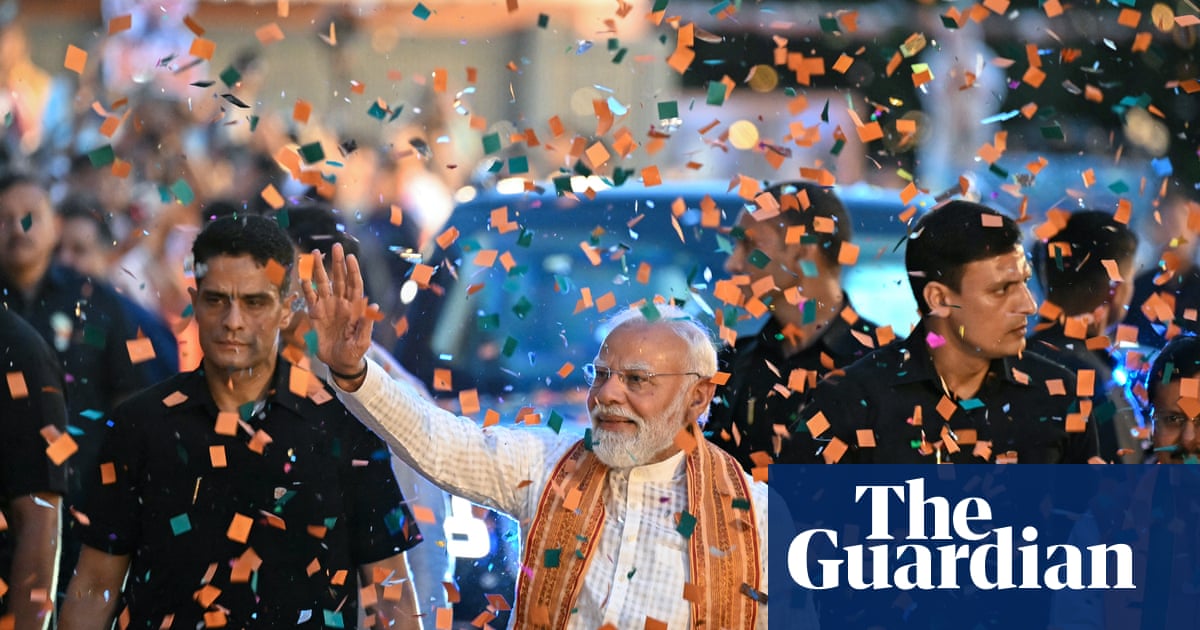
- BJP wins West Bengal assembly for the first time in history
- Ends Mamata Banerjee's 10-year grip on the eastern state
- Modi's party gains control of a long-standing opposition stronghold
India’s prime minister Narendra Modi Narendra Modi’s Bharatiya Janata Party (BJP) has pulled off its biggest electoral upset yet, seizing control of West Bengal’s assembly for the first time in the state’s history. The victory ends chief minister Mamata Banerjee’s Mamata Banerjee decade-long rule in a state that had become a rare BJP-free zone during her tenure. Final results show the BJP securing over 40% of the vote, enough to form a government outright in the 294-seat assembly. The Trinamool Congress (TMC), Banerjee’s party, had dominated every election here since 2011, winning three straight terms even as Modi’s BJP surged elsewhere in the country. This time, the tide turned decisively against her, with the BJP flipping seats across Kolkata and rural districts alike. The result marks a dramatic shift in India’s eastern politics and cements Modi’s unbroken streak of electoral wins since 2014. It’s his first outright victory in West Bengal, a state of 90 million people that had resisted the BJP’s rise until now. The win also comes just months before India’s next general election, where Modi’s party is expected to seek a third consecutive term at the national level. West Bengal’s loss is Banerjee’s first major defeat since she became chief minister in 2011. Her party had framed this election as a battle for the state’s identity, painting the BJP as an outsider trying to impose its Hindu-nationalist agenda on Bengal’s left-leaning culture. But the voters didn’t buy it this time. The BJP ran on promises of development and jobs, hammering home its message that only Modi’s party could deliver stability and economic growth. Banerjee’s campaign struggled to counter the BJP’s relentless messaging, which focused on issues like inflation and unemployment rather than the cultural battles her party had used in past elections. The BJP’s victory here isn’t just about West Bengal—it’s a signal to the rest of India that the party’s machine is unstoppable, even in states it’s never touched before. It also hands Modi a fresh mandate to push his agenda in a state that had been a thorn in his side. The BJP’s success in West Bengal comes after years of trying to break into the state, where Banerjee’s populist style and fierce opposition to Modi had made her a folk hero to many. But this election proved that even her stronghold isn’t immune to the BJP’s growing appeal. The party’s victory speech in Kolkata was jubilant, with leaders celebrating what they called a “new chapter” for the state. But for Banerjee, the loss is a brutal reality check. Her party’s grip on power is gone, and she’ll now have to figure out how to regroup before the next election. The BJP’s win here could also have ripple effects across eastern India, where smaller parties had been banking on West Bengal to hold the line against Modi’s expansion. Now, those parties will have to scramble to adjust to a new political reality. What happens next in West Bengal could reshape India’s opposition politics, which has been struggling to find a way to challenge Modi’s dominance. The BJP’s victory here shows that its model—mixing welfare promises with nationalist rhetoric—works in even the most unexpected places. It’s a lesson other parties will have to learn if they want to stand a chance against Modi in 2024.
What You Need to Know
- Source: The Guardian
- Published: May 04, 2026 at 17:34 UTC
- Category: World
- Topics: #guardian · #world-news · #international · #politics · #election · #narendra-modi
Read the Full Story
This is a curated summary. For the complete article, original data, quotes and full analysis:
All reporting rights belong to the respective author(s) at The Guardian. GlobalBR News summarizes publicly available content to help readers discover the most relevant global news.
Curated by GlobalBR News · May 04, 2026
Related Articles
- 🎉 250 Articles in World!
- Bulgaria wins Eurovision 2025 with Dara’s historic victory
- ‘She was phenomenal, she was iconic’: Delta Goodrem wins praise as Australia places fourth at Eurovision
🇧🇷 Resumo em Português
A Índia acaba de viver uma reviravolta política histórica no estado de Bengala Ocidental, tradicional reduto da política de esquerda e governado há dez anos pela líder carismática Mamata Banerjee, do partido TMC. Pela primeira vez, o BJP, partido do primeiro-ministro Narendra Modi, conquistou maioria absoluta na assembleia estadual, marcando um ponto de virada não só para a região, mas para todo o cenário político indiano, dominado há décadas por forças regionais e dinásticas.
O resultado não é apenas uma derrota simbólica para a oposição, mas um sinal de que o nacionalismo hindu do BJP — com sua agenda econômica agressiva e retórica contra a minoria muçulmana — está se expandindo além de seus bastiões no norte e oeste do país. Para o Brasil e os falantes de português, a vitória do BJP em Bengala Ocidental serve como um alerta sobre a ascensão global de partidos populistas de direita, que combinam desenvolvimento econômico com polarização social. Além disso, o episódio reforça a ideia de que o eleitorado pode se cansar de governos longos no poder, independentemente de seu histórico, desde que haja uma narrativa de mudança convincente.
A longo prazo, o que se espera é uma reconfiguração do poder em Bengala Ocidental, com possíveis reflexos na política nacional indiana, especialmente rumo às eleições de 2024.
🇪🇸 Resumen en Español
Las elecciones en Bengala Occidental marcan un giro histórico al arrebatar el poder al partido de Mamata Banerjee tras una década en el gobierno. El Bharatiya Janata Party (BJP) logró una victoria contundente en un territorio que siempre había resistido su avance, consolidando su influencia en una región clave para el equilibrio político de India.
Este resultado refleja el creciente desgaste de la líder regional y el auge del nacionalismo hindú impulsado por Narendra Modi, pero también abre interrogantes sobre la estabilidad social en un estado conocido por su diversidad cultural y política. Para los hispanohablantes, el fenómeno sirve como ejemplo de cómo los partidos emergentes pueden reconfigurar el mapa electoral en contextos de polarización, con posibles repercusiones en modelos de gobernanza multicultural.
The Guardian
Read full article at The Guardian →This post is a curated summary. All rights belong to the original author(s) and The Guardian.
Was this article helpful?


Discussion