Chipmakers are packing AI directly into phones, making smarter features standard in most premium models by 2027.
- Chipmakers like MediaTek added AI to premium phone chips first
- Qualcomm followed with Snapdragon 8 Elite Gen 5 and Gen 5 platforms
- Over 80% of premium phones will have AI by 2027, says Counterpoint Research
Premium smartphones are getting a brain upgrade, and it’s not the kind you plug into the cloud. By 2027, over 80% of high-end phones will include AI agents that run locally on the device, according to Counterpoint Research. That’s a sharp jump from today’s models, where AI mostly handles simple tasks like photo editing or voice commands through the cloud. The shift is a direct response from chipmakers like MediaTek and Qualcomm, who’ve spent the last year baking smarter chips to keep up with demand for AI features that don’t rely on laggy internet connections.
Chipmakers are betting big on AI to sell premium phones
The first salvo came from MediaTek in late 2024 with its Dimensity 9400 series chip. It was the first commercially available chipset designed to run so-called agentic AI, which means the phone can handle complex tasks like planning your day or summarizing emails without sending data to a remote server. Qualcomm quickly followed in early 2025 with its Snapdragon 8 Elite Gen 5 and Snapdragon 8 Gen 5 platforms, both packing AI accelerators that make these features faster and more reliable. The move isn’t just about speed—it’s about profit. Phone makers have struggled to justify $1,000-plus price tags, and AI is their new selling point. If you’re buying a flagship phone soon, expect to hear terms like “on-device AI” or “agentic AI” thrown around like it’s the next must-have feature.
Why this matters beyond just marketing buzz
These aren’t gimmicks. On-device AI can do things cloud-based AI can’t, like keep your data private and work instantly, even offline. Imagine your phone drafting a response to an email while you’re on a subway with no signal, or translating a menu in real time without sending the text to a server. But there’s a catch. Not every AI feature labeled “premium” will actually be useful. Some will just be flashy ways to sell you a more expensive phone. The real test will be whether these features save time or just add more noise to your day.
The ripple effect on wearables and beyond
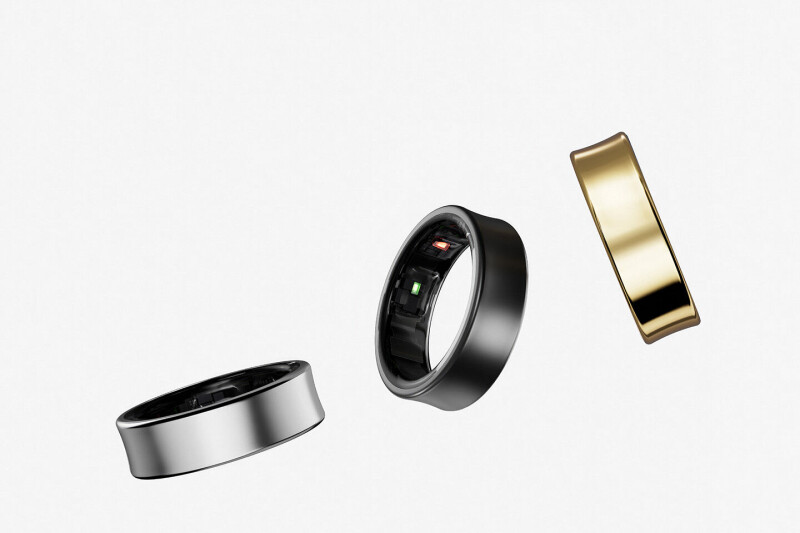
It’s not just phones. Counterpoint also predicts that 80% of wearable devices—think smartwatches and AR glasses—will run AI by 2032. Companies like Apple and Samsung are already testing AI features for their watches, like health alerts that spot irregular heartbeats or fitness plans that adapt as you train. The push into wearables means AI won’t just be in your pocket; it’ll be wrapped around your wrist, on your face, and maybe even woven into your clothes. The question is whether consumers will actually use these features or just ignore them after the novelty wears off.
What happens next? More phones, more AI, more questions
The next wave of phones will likely focus on two things: making AI faster and making it feel necessary. Chipmakers are already talking about next-gen AI chips that can run multiple agents at once, like a personal assistant that books your appointments, orders groceries, and reminds you to call your mom. But with every company slapping an AI sticker on their products, the word itself might lose meaning. Will buyers care about AI, or will they just want a phone that doesn’t slow down when they ask it to do something simple? One thing’s clear: the companies pushing AI the hardest are the ones selling the most expensive devices—and they’re not about to stop.
What You Need to Know
- Source: The Register
- Published: May 14, 2026 at 14:02 UTC
- Category: Technology
- Topics: #theregister · #tech · #enterprise · #mobile · #smartphone · #research
Read the Full Story
This is a curated summary. For the complete article, original data, quotes and full analysis:
All reporting rights belong to the respective author(s) at The Register. GlobalBR News summarizes publicly available content to help readers discover the most relevant global news.
Curated by GlobalBR News · May 14, 2026
Related Articles
- Trump Brand’s First Phone Finally Ships After 9-Month Holdup
- NYT Connections Sports Edition Answers & Hints for May 17, #601
- Tesla quietly shelves Solar Roof, bet big on cheap panels
🇧🇷 Resumo em Português
A inteligência artificial (IA) deve se tornar o grande diferencial dos smartphones premium até 2027, quando mais de 80% desses dispositivos devem incluir recursos avançados de IA, segundo um relatório da Counterpoint Research. A previsão reflete uma corrida tecnológica liderada por gigantes como MediaTek e Qualcomm, que já investem pesado em chips otimizados para processamento de IA local, reduzindo a dependência da nuvem e melhorando a privacidade.
No Brasil, onde o mercado de smartphones de alto padrão cresce mesmo em meio a crises econômicas, a adoção massiva de IA em dispositivos premium pode acelerar a transformação digital em setores como saúde, finanças e segurança. Com a popularização de recursos como assistentes virtuais mais inteligentes, câmeras com reconhecimento avançado e automação residencial integrada, os consumidores brasileiros podem se beneficiar de experiências mais personalizadas e eficientes. Além disso, a tendência pode impulsionar a inovação no ecossistema local, desde fabricantes até desenvolvedores de aplicativos.
Se confirmada, a previsão da Counterpoint Research não só redefinirá o que esperamos de um smartphone, como também abrirá espaço para debates sobre privacidade, acessibilidade e o impacto real da IA no cotidiano.
🇪🇸 Resumen en Español
El auge de la inteligencia artificial está redefiniendo el mercado de los teléfonos inteligentes. Según un informe de Counterpoint Research, para 2027 más del 80% de los dispositivos premium incorporarán funciones avanzadas de IA, impulsadas por gigantes como MediaTek y Qualcomm.
Este cambio responde a la creciente demanda de mayores capacidades de procesamiento local y experiencias personalizadas. Para los usuarios hispanohablantes, esto significa acceder a funciones como traducción en tiempo real, fotografía optimizada con IA o asistentes virtuales más precisos, aunque también podría elevar los precios iniciales. La tecnología, sin embargo, promete mejorar la privacidad al reducir la dependencia de la nube.
The Register
Read full article at The Register →This post is a curated summary. All rights belong to the original author(s) and The Register.
Was this article helpful?



Discussion