Monterrey’s rapid industrial growth is poisoning its air with toxic metals from global factories that mostly export to the US.
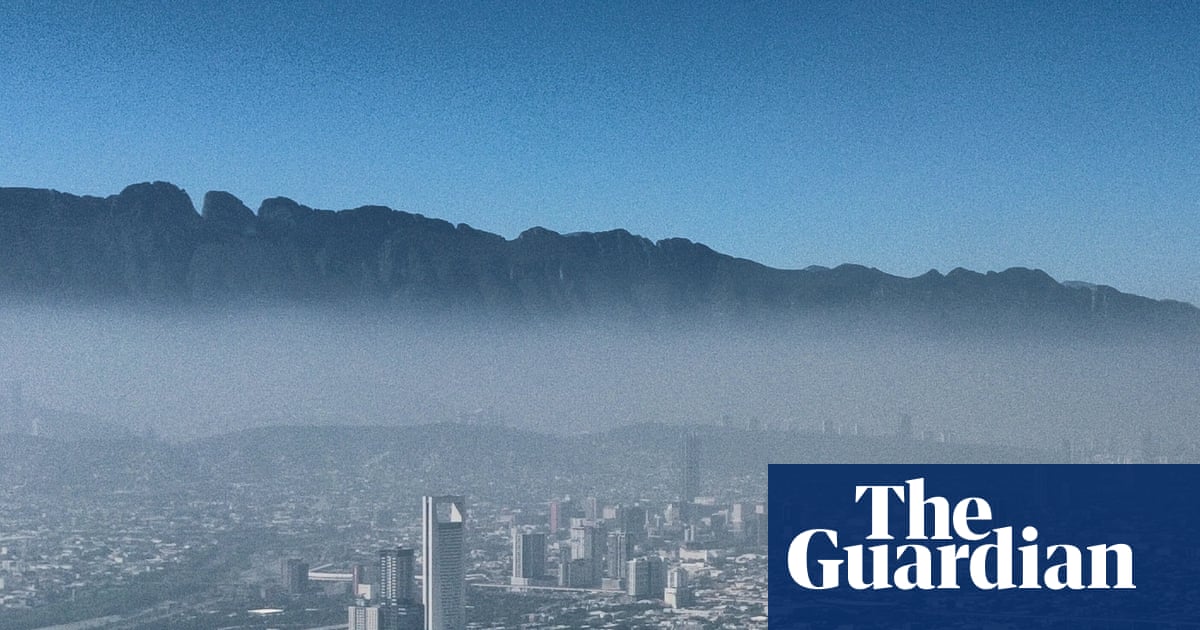
- Mexican boomtown Monterrey chokes on factory toxins from global firms
- Factories export 70% of goods to US but dump pollution locally
- Residents report chronic coughs, rashes, and worry about cancer risks
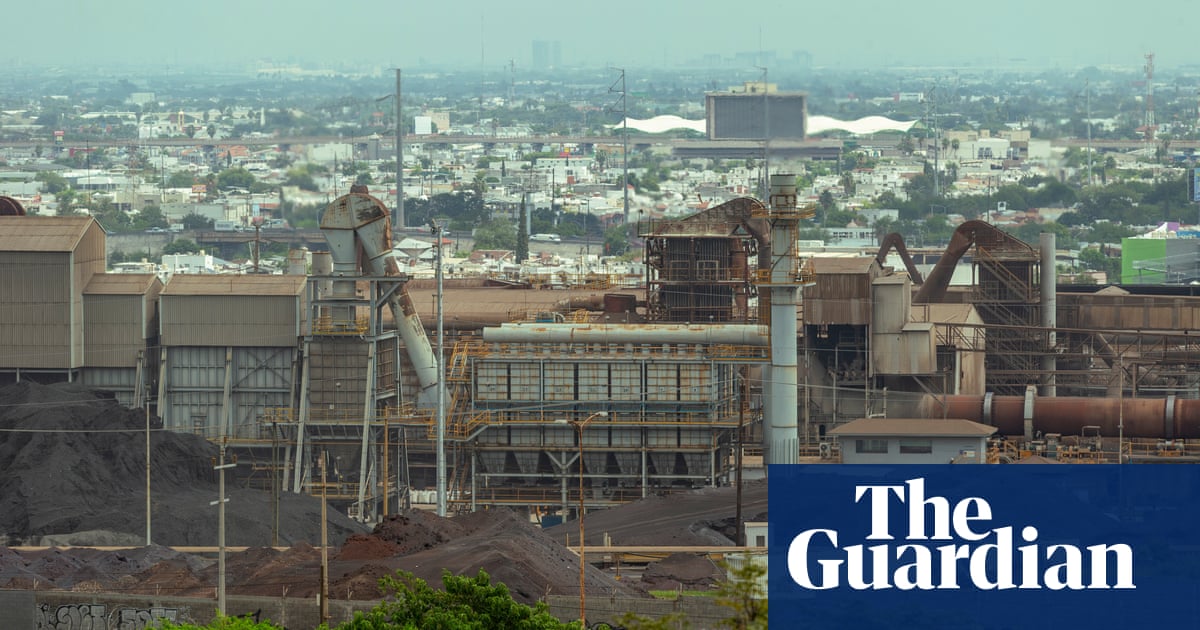
A sprawling industrial zone outside Monterrey, Mexico’s third-largest city, is pumping invisible poisons into the air that residents breathe every day. Factories there—operated by companies from the US, Europe, Asia, and Mexico—produce everything from car parts to electronics, most of it bound for American shelves. But the cost is high. Toxic heavy metals like lead, arsenic, and manganese are drifting through neighborhoods, turning clean air into a health threat for 5 million people. Residents say they’ve had enough. “My kids cough all night. The doctor says it’s the air,” said Maria Lopez, a mother of three who lives two miles from a steel plant in Santa Catarina. “We’re not just breathing dust. We’re breathing poison.”
Industrial boom with a toxic shadow
Monterrey’s economy runs on manufacturing. The city sits at the heart of Mexico’s industrial corridor, where multinational companies set up shop to cut costs while keeping US supply chains humming. Over the past decade, the region’s factories have expanded rapidly, fueled by trade deals and nearshoring trends. But clean air wasn’t part of the deal. A joint investigation by the Guardian and Quinto Elemento Lab found that industrial emissions in Monterrey now include levels of lead 12 times higher than Mexico’s safety limits in some areas. Arsenic levels are six times above what the World Health Organization considers safe. “This isn’t just pollution. It’s a public health emergency,” said Dr. Ana Martinez, an environmental epidemiologist at the Technological Institute of Monterrey. “Children living near these plants have blood lead levels that put them at risk for lifelong cognitive damage.”
The problem isn’t limited to one factory or industry. Steel mills, battery plants, and chemical factories all contribute. Many of these companies operate under permits granted by Mexico’s environmental agency, SEMARNAT, but critics say the rules are weak and enforcement is rare. Last year, SEMARNAT fined just 12% of industrial facilities it inspected for air violations in Nuevo León state, where Monterrey sits. “The fines are pocket change for these companies,” said Javier Rodriguez, a local activist. “They’d rather pay the penalty than install proper filters.”
A city choking on its own growth
Monterrey’s skyline is a mix of modern glass towers and smokestacks. The air often smells like metal and burnt rubber. Hospitals report surging cases of respiratory illnesses, especially among kids. The state’s health department confirmed a 40% jump in asthma cases in children under five since 2018. Doctors say they’re seeing more lung scarring and heart problems linked to long-term exposure. “We’re treating kids who shouldn’t be this sick,” said Dr. Carlos Gomez, a pulmonologist at Hospital San José in Monterrey. “Their parents work in these factories. They can’t afford to move. So they stay and breathe this air.”
Residents describe daily struggles. Maria’s youngest son, Javier, 7, has been hospitalized twice for asthma. Her neighbor, Roberto, a factory worker, developed a chronic cough that turned into pneumonia last winter. “I didn’t think it was the air at first,” Roberto said. “But after a few years, you notice it’s always worse when the wind blows from the industrial zone.” Authorities blame the pollution on a mix of old equipment, weak regulations, and rapid industrial expansion. Mexico’s environment ministry points to a $1.2 billion fund meant to clean up industrial zones, but critics say it’s barely touched the problem.
Global supply chains, local poison
What happens in Monterrey doesn’t stay in Monterrey. The city is a key link in the supply chain for everything from Ford trucks to Apple iPhones. Companies like Ford, 3M, and Samsung operate plants nearby, often through local subsidiaries. While these firms follow US safety standards at home, their Mexican facilities face looser rules. A 2023 report by the Center for International Environmental Law found that US brands often pressure suppliers to cut costs, pushing factories toward cheaper, dirtier operations. “The US demand for cheaper goods is part of this equation,” said Elena Villanueva, a researcher with the report. “Companies know the pollution is happening, but they’re not held accountable because the supply chain is so fragmented.”
The US isn’t ignoring the problem. The Environmental Protection Agency (EPA) has flagged cross-border pollution risks but says it’s limited to sharing data with Mexican authorities. Meanwhile, US consumers continue to buy products made in Monterrey, unaware of the hidden cost. A recent survey by Consumer Reports found that 68% of Americans had no idea their electronics or cars might be linked to toxic air in Mexico. “People think they’re getting a good deal,” said Villanueva. “But the real price is being paid by families in Monterrey who can’t afford to leave.”
What’s next for Monterrey’s air?
The Mexican government has promised action. Last month, SEMARNAT announced stricter new limits on industrial emissions in Monterrey and nearby cities. Factories have 18 months to install better filters or face shutdowns. But activists say the timeline is too slow. “Eighteen months is too late for a child who can’t breathe today,” said Rodriguez. Residents are also pushing for legal action. A local group filed a complaint with the Inter-American Commission on Human Rights last year, arguing that Mexico is violating residents’ right to a healthy environment. The case is still pending.
For now, families like Maria’s are left to cope. She bought air purifiers with her savings and keeps Javier’s inhaler within reach. “I don’t want to leave my home,” she said. “But if nothing changes, I might have no choice.” The factories keep running. The air keeps getting dirtier. And Monterrey’s boom is turning into a slow-motion crisis one breath at a time.
What You Need to Know
- Source: The Guardian
- Published: May 17, 2026 at 16:23 UTC
- Category: Environment
- Topics: #guardian · #climate · #environment · #revealed · #mexico · #polluting
Read the Full Story
This is a curated summary. For the complete article, original data, quotes and full analysis:
All reporting rights belong to the respective author(s) at The Guardian. GlobalBR News summarizes publicly available content to help readers discover the most relevant global news.
Curated by GlobalBR News · May 17, 2026
Related Articles
🇧🇷 Resumo em Português
No coração industrial do México, a cidade de Monterrey respira um ar tóxico enquanto alimenta a economia dos EUA com manufatura barata, revelou uma investigação recente. Moradores relatam tosses persistentes, doenças respiratórias e um gosto metálico na boca, consequências de décadas de poluição por metais pesados lançados por fábricas que abastecem o mercado norte-americano. O cenário expõe a dura realidade por trás dos produtos “fabricados no México” que invadem prateleiras dos EUA, mas deixam um rastro de doenças na população local.
O Brasil, que também integra cadeias globais de produção e enfrenta desafios semelhantes em regiões industriais como o ABC paulista ou a Zona Franca de Manaus, precisa observar de perto os impactos dessa dinâmica. A reportagem sobre Monterrey lança luz sobre os custos humanos da terceirização da poluição para países com legislações ambientais mais frágeis, um modelo que pode se replicar em outras nações em desenvolvimento. Para os leitores brasileiros, o caso serve como alerta: a busca por competitividade econômica não pode se dar à custa da saúde pública e do meio ambiente.
A investigação, que deve gerar pressão por fiscalização mais rigorosa e punições às empresas responsáveis, também abre espaço para discutir alternativas como a adoção de padrões internacionais de sustentabilidade na produção industrial.
The Guardian
Read full article at The Guardian →This post is a curated summary. All rights belong to the original author(s) and The Guardian.
Was this article helpful?

Discussion