Trump administration moves to weaken EPA rules on toxic ethylene oxide, a chemical 60 times more carcinogenic than previously believed.
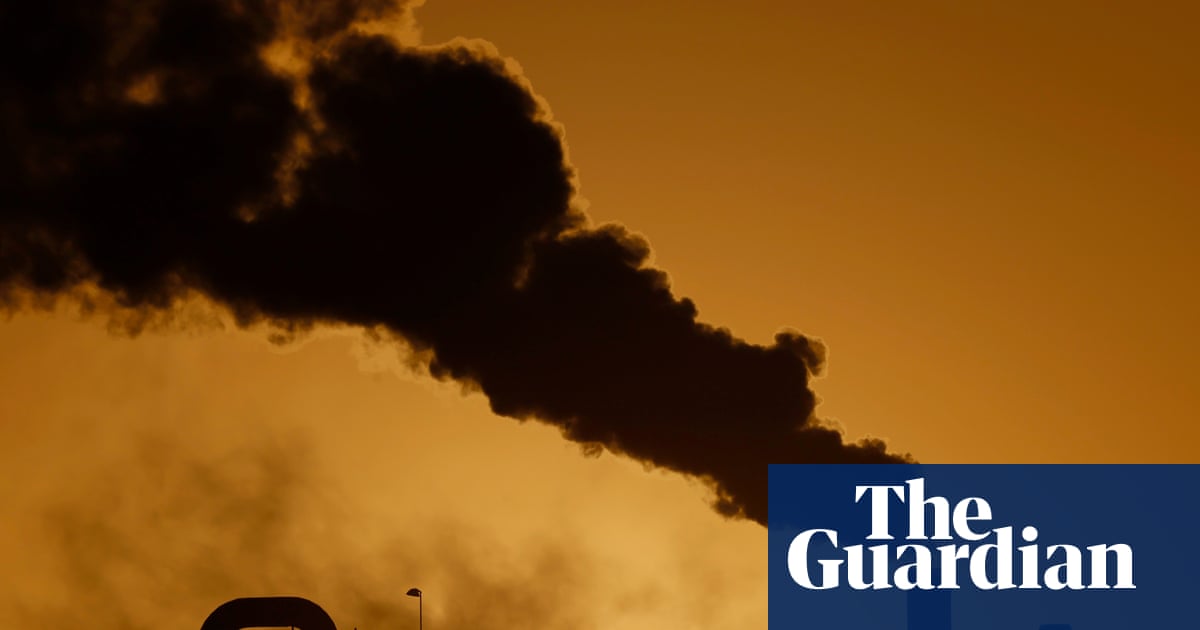
- Trump administration proposes rolling back 2024 EPA ethylene oxide regulations
- Ethylene oxide is 60 times more carcinogenic than believed in 2006
- EPA’s authority to strengthen public health protections would be reduced
WASHINGTON — The Trump administration is moving to rescind 2024 regulations aimed at curbing toxic ethylene oxide (EtO) pollution, a move that would limit the Environmental Protection Agency’s (EPA) [https://en.wikipedia.org/wiki/United_States_Environmental_Protection_Agency] authority to enforce stricter public health protections against hazardous emissions. Recent research found EtO is about 60 times more carcinogenic than previously believed when the last regulations were developed in 2006. The proposed rollback could lead to increased releases of the toxin into the air, according to an analysis by the agency. Scientists now consider EtO far more dangerous than earlier estimates suggested, prompting the Biden administration’s EPA to strengthen regulations last year. The 2024 rule required the nation’s EtO emitters to collectively cut their emissions by about 90%, a significant step in reducing public exposure to the chemical. The Trump administration’s plan to reverse these regulations has raised concerns among public health advocates and environmental groups, who argue the move could endanger communities near industrial facilities. The EPA has not yet released a full explanation for the proposed changes, but the move aligns with broader efforts to reduce regulatory burdens on industry under the current administration. Ethylene oxide is widely used in the production of sterilized medical equipment, antifreeze, and pesticides, but its high toxicity has made it a target for stricter environmental oversight. The chemical is classified as a human carcinogen by the International Agency for Research on Cancer (IARC) [https://en.wikipedia.org/wiki/International_Agency_for_Research_on_Cancer] and has been linked to increased risks of leukemia and other cancers. The EPA’s 2024 rule was based on updated scientific findings that showed EtO’s cancer risk was far greater than previously estimated. The proposed rollback could delay or eliminate these protections, leaving communities vulnerable to higher levels of exposure. Public health experts warn that the move could have serious consequences for workers and residents living near facilities that emit EtO, including hospitals, chemical plants, and sterilization facilities. The Trump administration has not provided a timeline for when the proposed changes will take effect, but the EPA is expected to open a public comment period in the coming weeks. The agency has not responded to requests for further details on how the rollback would be implemented or what alternatives might be considered. Environmental groups have vowed to challenge the decision in court, arguing that the EPA is legally required to protect public health under the Clean Air Act [https://en.wikipedia.org/wiki/Clean_Air_Act_(United_States)]. The move comes amid ongoing debates over the balance between economic growth and environmental regulation, with industry groups generally supportive of the proposed changes. Critics argue that weakening EtO regulations prioritizes corporate interests over public health, particularly for vulnerable populations. The EPA’s authority to set emissions standards for hazardous air pollutants is at the center of the dispute, with the rollback potentially setting a precedent for other regulatory rollbacks in the future. The outcome of this decision could have far-reaching implications for air quality regulations across the country, as well as the EPA’s ability to respond to emerging scientific evidence on toxic chemicals.
What You Need to Know
- Source: The Guardian
- Published: May 13, 2026 at 02:04 UTC
- Category: Environment
- Topics: #guardian · #climate · #environment · #trump · #ethylene · #biden
Read the Full Story
This is a curated summary. For the complete article, original data, quotes and full analysis:
All reporting rights belong to the respective author(s) at The Guardian. GlobalBR News summarizes publicly available content to help readers discover the most relevant global news.
Curated by GlobalBR News · May 13, 2026
🇧🇷 Resumo em Português
O governo Trump deu mais um passo para enfraquecer a proteção ambiental nos Estados Unidos ao revisar normas da Agência de Proteção Ambiental (EPA) sobre o óxido de etileno, um gás tóxico 60 vezes mais cancerígeno do que se acreditava anteriormente. A medida, que limita a autoridade da EPA de regulamentar substâncias perigosas, acende o alerta entre especialistas e comunidades afetadas por esse contaminante.
No Brasil, onde a fiscalização de emissões químicas já enfrenta desafios como falta de recursos e pressão de setores industriais, a decisão americana serve como um sinal de alerta. O óxido de etileno, usado em esterilização de equipamentos médicos e produção de plásticos, é um problema crescente em regiões como São Paulo e Rio de Janeiro, onde indústrias químicas operam sem fiscalização rigorosa. A redução da supervisão da EPA pode inspirar retrocessos semelhantes em outros países, especialmente aqueles com legislações ambientais frágeis.
A sociedade brasileira precisa monitorar de perto essa tendência e cobrar das autoridades nacionais um posicionamento claro, pois a saúde pública não pode ser negociada em nome de interesses econômicos.
The Guardian
Read full article at The Guardian →This post is a curated summary. All rights belong to the original author(s) and The Guardian.
Was this article helpful?



Discussion