Mourinho ends unbeaten season with Benfica but finishes third in Primeira Liga after 20 wins and nine draws.
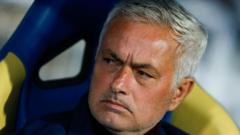
- Mourinho went unbeaten in all 27 Primeira Liga games this season
- Benfica finished third despite 20 wins and nine draws
- Club finished 12 points behind champions and four behind runners-up
Jose Mourinho has just finished his first full season in charge of Benfica without losing a league game, but it still wasn’t enough to land the title. The team ended up third in Portugal’s top flight with 20 wins and nine draws from 27 games. That left them 12 points behind Sporting CP, the champions, and four points behind runners-up FC Porto.
Mourinho took over in October after the club fired previous manager Roger Schmidt following a slow start. The Portuguese giants had gone eight games without a win when Mourinho arrived, but he turned things around quickly. By April, Benfica were top of the table and looked set for the title. Then a late collapse saw them drop crucial points in four of their last five games, including draws against mid-table sides.
Mourinho’s first season in Portugal
Before joining Benfica, Mourinho had managed clubs in England, Italy, Spain, and Italy again, winning league titles in all four countries. But Portugal was new territory for him. His first big test came immediately—Benfica were struggling in seventh place when he took over. Within weeks, he had them climbing the table. By January, they were top. By March, they were 10 points clear at the summit.
The turning point came in late April when Benfica lost 2-1 to Boavista. That loss started a run of just two wins in their last seven games. In the end, they finished with the second-best attack and defense in the league, but inconsistency cost them dearly. Mourinho admitted after the season that fatigue and fixture congestion played a role in the late stumbles.
What happens next for Benfica and Mourinho
Despite finishing third, Benfica still secured a spot in next season’s Europa League. That gives Mourinho more time to build his project at the club. The question now is whether he can tighten things up next year or if the late-season fade shows deeper issues. Benfica’s board has backed him publicly, but pressure will mount if they don’t challenge for the title again.
Mourinho himself has said he’s happy with the team’s progress but knows they need to be more ruthless. “We controlled games but didn’t always finish them,” he told reporters after the final whistle. “That’s something we have to improve.” For now, Benfica’s fans are split—some love the style and points, others want trophies.
The bigger picture is that Mourinho’s unbeaten record masks a season of near misses. Benfica won their last three games, including a 3-0 thrashing of already-relegated Marítimo, but the damage was done weeks earlier. Their attack scored 65 goals, the second-highest total, but defensive lapses in key moments turned potential wins into draws.
While Porto and Sporting celebrate their titles, Mourinho’s Benfica will spend the summer reflecting. The club’s financial clout and recent signings like Ángel Di María (on loan) suggest they can compete. But consistency is the missing piece—and Mourinho knows it.
What You Need to Know
- Source: BBC Sport
- Published: May 16, 2026 at 22:15 UTC
- Category: Sports
- Topics: #bbc · #sports · #football · #mourinho · #benfica-jose-mourinho · #benfica
Read the Full Story
This is a curated summary. For the complete article, original data, quotes and full analysis:
All reporting rights belong to the respective author(s) at BBC Sport. GlobalBR News summarizes publicly available content to help readers discover the most relevant global news.
Curated by GlobalBR News · May 16, 2026
Related Articles
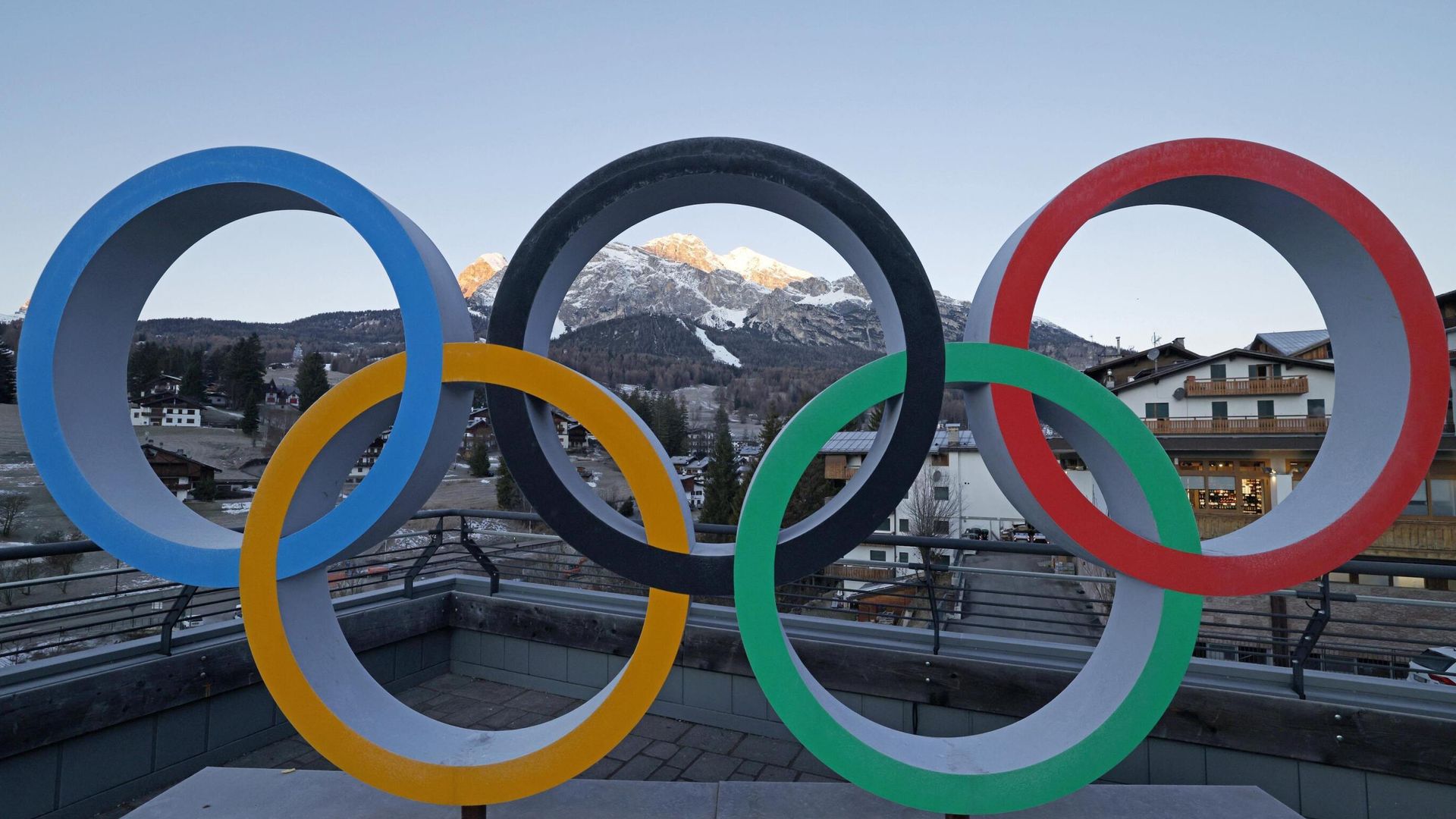
- UK considers North of England Olympics bid for 2040s
- McIlroy, Rahm chasing as Smalley grabs shock lead in bunched major
- FA Cup win could silence Chelsea’s critics after tough season
🇧🇷 Resumo em Português
Com um currículo repleto de feitos espetaculares e polêmicas que sempre alimentam as manchetes, José Mourinho mais uma vez mostrou por que é um dos técnicos mais discutidos do futebol mundial, mesmo sem levantar o caneco: após comandar o Benfica por uma temporada invicta na Primeira Liga, o “Special One” terminou no terceiro lugar da competição, frustrando os sonhos dos torcedores e deixando os rivais de queixo caído. A campanha do técnico português, que assumiu o time em janeiro de 2024, foi marcada por um futebol vistoso e eficiente, com 20 vitórias e quatro empates em 24 jogos, mas a falta de consistência em momentos decisivos selou o destino da equipe na tabela.
O caso de Mourinho no Benfica não é apenas mais uma virada de jogo no futebol europeu, mas sim um reflexo das expectativas cada vez mais altas impostas aos técnicos brasileiros e portugueses no exterior, onde a pressão por resultados imediatos não perdoa nem mesmo os invictos. Para o Brasil, terra que já formou craques e treinadores de renome global, a passagem de Mourinho pelo clube lisboeta serve como um alerta sobre os desafios de se manter competitivo em ligas com orçamentos limitados frente a gigantes como Porto e Sporting, que puderam contar com reforços mais robustos. Além disso, a história reacende o debate sobre o quanto o estilo “mourinhista” — tão criticado por muitos e endeusado por outros — ainda é capaz de entregar títulos em um futebol cada vez mais pragmático.
Agora, a pergunta que não quer calar é: o que o futuro reserva para Mourinho e para o Benfica? Seja rumo a outro desafio ou em busca de uma nova reviravolta no comando técnico, uma coisa é certa: o futebol nunca deixou de ser surpreendente.
BBC Sport
Read full article at BBC Sport →This post is a curated summary. All rights belong to the original author(s) and BBC Sport.
Was this article helpful?
Discussion