Trump administration reclassifies medical cannabis to ease federal restrictions on April 23.
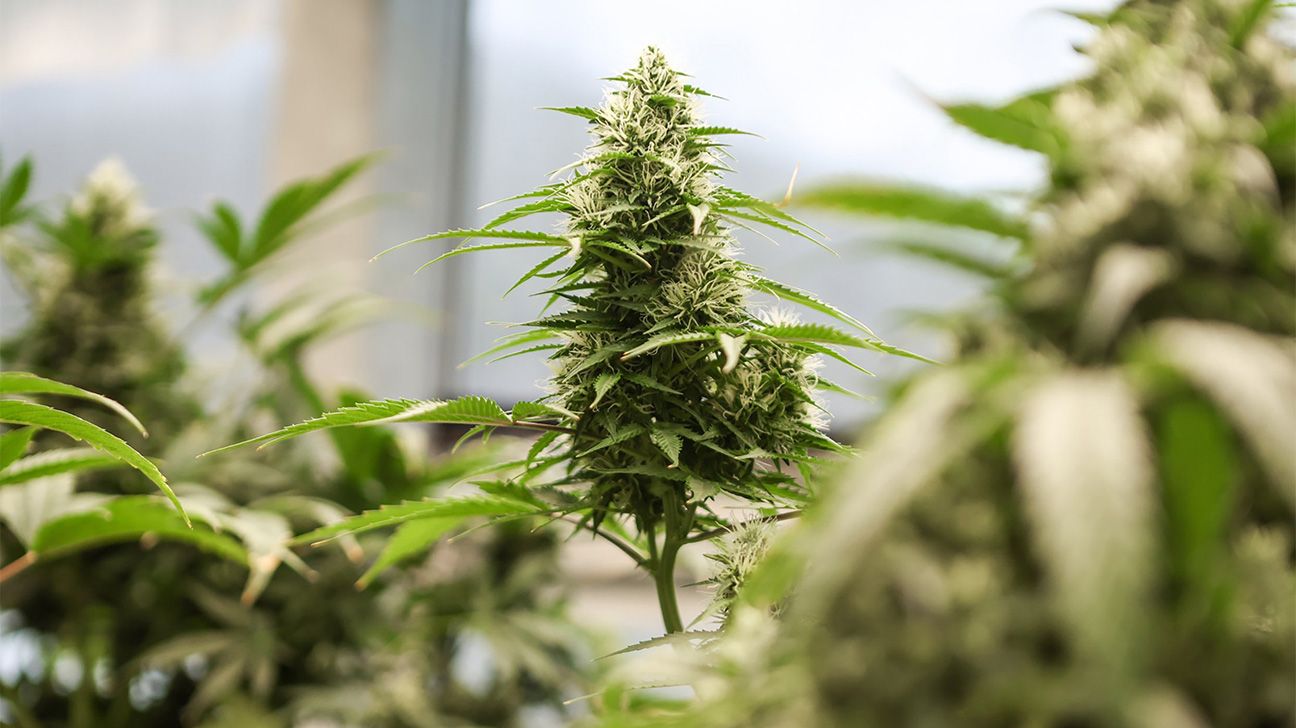
- Acting AG reclassifies state-licensed medical cannabis as less dangerous drug
- Move grants tax breaks to cannabis businesses and eases research barriers
- Policy shift does not legalize medical or recreational cannabis federally
The Trump administration moved Friday to reclassify state-licensed medical marijuana under federal law, easing decades-old restrictions but stopping short of full legalization. Acting Attorney General Todd Blanche signed an executive order April 23 that shifts marijuana from Schedule I to Schedule III of the Controlled Substances Act. Schedule I drugs, like heroin, are defined as having no accepted medical use and high potential for abuse. Schedule III drugs, like ketamine, are considered less dangerous and have recognized medical benefits.
The reclassification marks a major policy shift after decades of federal prohibition. While it does not legalize cannabis for medical or recreational use at the federal level, it removes significant barriers for businesses and researchers. Cannabis companies operating in states with legal medical or recreational programs will now qualify for federal tax deductions that were previously denied under Section 280E of the Internal Revenue Code. This deduction blocks businesses from deducting standard business expenses if they sell Schedule I or II substances.
Researchers studying cannabis will also face fewer hurdles. Currently, scientists must obtain special licenses and navigate complex regulations to study marijuana. The reclassification streamlines this process, allowing broader study of cannabis’s medical potential. The Drug Enforcement Administration is expected to finalize the rule change within months, following a public comment period. The move reflects growing bipartisan support for cannabis reform, though full federal legalization remains uncertain.
How reclassification impacts cannabis businesses
Cannabis companies have long argued that federal prohibition placed them at a competitive disadvantage. Under Section 280E, businesses selling Schedule I substances cannot deduct ordinary business expenses like rent, utilities, or employee salaries. This has forced many operators to pay effective tax rates exceeding 70%. The reclassification to Schedule III removes this penalty, potentially boosting profits and encouraging investment in the industry.
Industry analysts predict the change could inject billions into the cannabis sector. Companies like Green Thumb Industries and Curaleaf, which operate in multiple states, stand to benefit from reduced tax burdens. Smaller operators in states with legal medical programs may also see improved margins. However, the impact will vary by state, as federal tax benefits depend on state-level legalization status.
Research community anticipates easier cannabis studies
Scientists studying cannabis have faced significant obstacles due to its Schedule I status. Researchers at institutions like the University of California, San Diego, and the University of Mississippi—home to the nation’s only legal cannabis farm for research—have struggled with red tape and limited supply. The reclassification to Schedule III should ease these restrictions, allowing more institutions to grow and study cannabis legally.
Dr. Sue Sisley, a leading cannabis researcher and president of the Scottsdale Research Institute, called the move a long-overdue correction. “This will finally allow us to conduct rigorous, unfettered research on cannabis without the stigma and bureaucratic hurdles that have stifled science for decades,” Sisley said. The change could accelerate studies on cannabis’s potential to treat conditions like chronic pain, epilepsy, and PTSD.
Federal legalization still a distant goal
While the reclassification is a step forward, it does not end federal prohibition. Cannabis remains illegal under federal law for recreational use, and banks serving cannabis businesses still operate in legal gray areas. The Secure and Fair Enforcement Regulation (SAFER) Banking Act, which would provide federal banking access to cannabis companies, remains stalled in Congress. Until it passes, many operators will continue to deal primarily in cash, limiting transparency and security.
Political analysts suggest the reclassification reflects shifting public opinion and bipartisan momentum for cannabis reform. A majority of Americans support legalization, and 38 states have legalized medical cannabis. However, full federal legalization faces opposition from conservative lawmakers and agencies like the DEA, which historically resisted rescheduling efforts. The 2024 election could further influence the pace of reform.
The DEA is expected to publish the final rule in the Federal Register within 90 days, followed by a 60-day public comment period. Once implemented, the change will take effect immediately. Until then, the cannabis industry and research community will monitor closely for any last-minute challenges or delays.
What You Need to Know
- Source: Healthline
- Published: May 16, 2026 at 13:56 UTC
- Category: Health
- Topics: #health · #wellness · #medicine · #science · #biology · #genetics
Read the Full Story
This is a curated summary. For the complete article, original data, quotes and full analysis:
All reporting rights belong to the respective author(s) at Healthline. GlobalBR News summarizes publicly available content to help readers discover the most relevant global news.
Curated by GlobalBR News · May 16, 2026
Related Articles
- Midlife fitness boosts lifespan and health by 5+ years study finds
- Why ‘Ballmaxxing’ May Be More Dangerous Than You Think
- Weight Loss Surgeries Decline as GLP-1 Use Skyrockets. Why This Matters
🇧🇷 Resumo em Português
O governo Trump acaba de dar um passo histórico ao reclassificar a maconha medicinal licenciada pelos estados como substância menos perigosa na legislação federal, uma decisão que pode abrir caminho para menos burocracia e mais pesquisas nos EUA — e, quem sabe, influenciar o debate global sobre o tema.
A medida, anunciada pelo procurador-geral interino Todd Blanche, reduz barreiras tributárias e facilita estudos científicos sobre os benefícios terapêuticos da cannabis, até então travados pelo status de substância controlada. No Brasil, onde a discussão sobre o uso medicinal da maconha ganha força — mas segue cercada de estigmas e lentidão regulatória —, a notícia chega como um sopro de alento para pacientes, pesquisadores e defensores da pauta. Embora a decisão americana não torne o uso recreativo legal nem mude as leis brasileiras, ela reforça o argumento de que a cannabis medicinal não é uma “droga pesada”, como ainda muitos acreditam por aqui.
Agora, o foco deve se voltar para como essa reclassificação impactará os investimentos em pesquisas e a pressão por mudanças nas políticas internacionais — inclusive, quem sabe, no Brasil.
🇪🇸 Resumen en Español
El gobierno de Donald Trump ha dado un paso histórico al reclasificar el cannabis médico con licencia estatal como una sustancia de menor riesgo bajo la ley federal, aunque sin legalizarlo por completo. La medida, impulsada por el fiscal general en funciones, Todd Blanche, busca aliviar las barreras fiscales y burocráticas que han limitado la investigación y el acceso a estos tratamientos en Estados Unidos.
Esta decisión marca un cambio significativo en la política federal sobre el cannabis, que durante décadas ha mantenido una clasificación restrictiva. Para los hispanohablantes, especialmente en comunidades donde el cannabis médico tiene uso terapéutico reconocido, esta redefinición podría facilitar el desarrollo de estudios clínicos y reducir costes en tratamientos legales. Sin embargo, la falta de legalización total mantiene en un limbo legal a millones de pacientes que dependen de estas sustancias, dejando sin resolver dilemas como la movilidad interestatal o el acceso en estados donde aún es ilegal.
Healthline
Read full article at Healthline →This post is a curated summary. All rights belong to the original author(s) and Healthline.
Was this article helpful?


Discussion