Rapido raises $240M at $3B valuation by doubling down on bikes and auto-rickshaws over Uber’s car-heavy model.
- Rapido raises $240M in latest funding round led by existing investors
- Company now valued at $3B, making it one of India’s most valuable startups
- Rapido’s focus on bikes and auto-rickshaws helps it outpace Uber in India
Rapido just closed a $240 million funding round, valuing the Bangalore-based Rapido at $3 billion. The round was led by existing investors like WestBridge Capital and Razorpay, with participation from new backers like Sumeru Venture Partners. The fresh cash will help Rapido expand beyond its core ride-hailing business into food delivery and other logistics services, but its biggest strength remains beating Uber at its own game in India’s chaotic cities.
Rapido’s secret weapon: bikes and auto-rickshaws
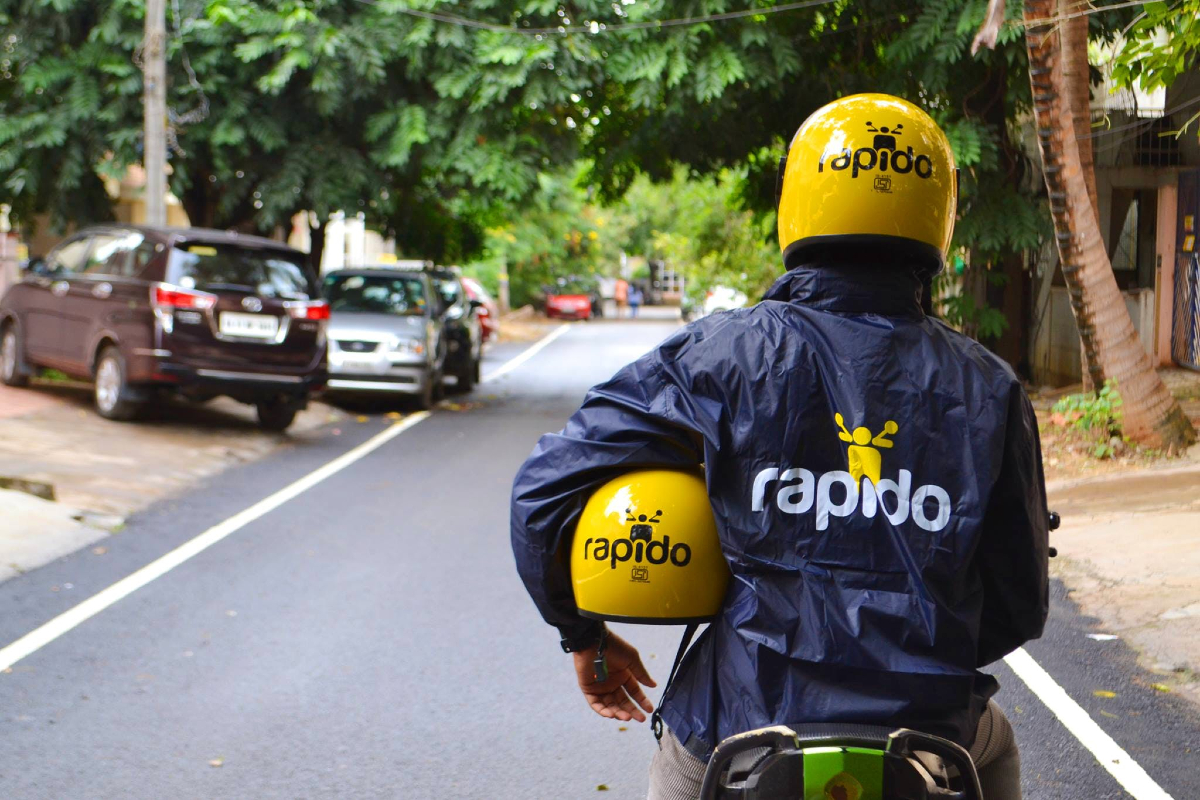
Unlike Uber, which mostly focuses on cars, Rapido built its growth on two-wheelers and auto-rickshaws. These vehicles are cheaper for riders, faster in traffic, and far more efficient for drivers. In Bangalore, where Rapido started in 2015, a bike ride costs about half what an Uber would charge for the same distance. That price gap matters in a country where most people can’t afford car rides every day.
The model works because India’s roads are packed with obstacles—traffic jams, potholes, and sudden detours. A motorcycle can squeeze through gaps a car can’t. Auto-rickshaws, meanwhile, are the go-to for short hops in dense neighborhoods where parking is a nightmare. Rapido’s app lets users choose between the two, and drivers earn more per trip than they would ferrying passengers in a sedan.
Uber vs. Rapido: who’s winning in India?
Uber launched in India in 2013 and quickly became the dominant ride-hailing app. But Rapido’s focus on affordability and flexibility helped it catch up fast. By 2023, Rapido claimed 50% of India’s ride-hailing market share, while Uber’s share dropped to around 40%. The gap isn’t just about price—it’s about reliability. Rapido drivers, called “captains,” often wait less time between rides because bikes and autos are cheaper to operate and easier to park.
Uber still dominates in big cities like Mumbai and Delhi for airport transfers and long-distance trips, where cars are more comfortable. But in daily commutes and short trips, Rapido’s model is hard to beat. The company now operates in over 100 Indian cities, with plans to move into smaller towns where Uber hasn’t invested as heavily.
What’s next for Rapido?
The new funding will help Rapido push into other services beyond rides. The company already runs a food delivery arm, and executives hinted that more logistics plays—like package delivery—are coming. But the biggest challenge won’t be expanding services; it’ll be managing growth without alienating drivers or riders. Rapido’s captains earn decent money, but they’re still gig workers with no formal benefits. Strikes and protests over pay cuts have hit the company before, and keeping drivers happy will be key to staying on top.
India’s ride-hailing market is still growing, but competition is heating up. Other startups like Ola and Pepper are also pushing two-wheeler options, and Uber is trying to copy Rapido’s playbook by adding bikes and autos to its app in some cities. For Rapido, the $240 million war chest buys time—but the real test is whether it can keep its edge as rivals catch up.
What You Need to Know
- Source: TechCrunch
- Published: May 15, 2026 at 11:24 UTC
- Category: Technology
- Topics: #techcrunch · #startups · #tech · #indian-uber · #rapido · #rapido-funding
Read the Full Story
This is a curated summary. For the complete article, original data, quotes and full analysis:
All reporting rights belong to the respective author(s) at TechCrunch. GlobalBR News summarizes publicly available content to help readers discover the most relevant global news.
Curated by GlobalBR News · May 15, 2026
🇧🇷 Resumo em Português
O futuro dos aplicativos de mobilidade no Brasil pode ganhar novos contornos após o sucesso estrondoso da Rapido, startup indiana de transporte por aplicativo que levantou US$ 240 milhões recentemente — uma prova de que as duas rodas estão se tornando a aposta certa para milhões de brasileiros cansados do trânsito e dos preços altos das corridas. Enquanto gigantes como Uber e 99 disputam o mercado de carros, a Rapido, que foca em motos, atingiu uma avaliação de US$ 3 bilhões em poucos anos, mostrando como inovação e praticidade podem redefinir a mobilidade urbana em países com realidade semelhante à do Brasil.
A estratégia da Rapido é simples, mas poderosa: oferecer corridas mais rápidas e baratas do que as de carro, especialmente em cidades superlotadas como Delhi e Mumbai, onde o trânsito consome horas do dia. No Brasil, onde o transporte público é muitas vezes lento e caro, e o Uber já pratica preços elevados em horários de pico, essa abordagem pode ser um divisor de águas. A startup já expandiu seus serviços para mais de 100 cidades indianas e planeja entrar em novos mercados internacionais, o que inclui, possivelmente, o Brasil. Com a crescente demanda por soluções ágeis de mobilidade e a popularização das moto-táxis em capitais como São Paulo e Rio, a Rapido surge como um modelo a ser observado — e quem sabe seguido — pelas empresas locais.
Se a entrada da Rapido no Brasil se concretizar, a competição no setor de mobilidade pode esquentar ainda mais, beneficiando os consumidores com preços mais justos e opções diversificadas.
🇪🇸 Resumen en Español
Rapido, la plataforma india de movilidad que apuesta por las motos como alternativa al transporte tradicional, ha cerrado una ronda de financiación de 240 millones de dólares, elevando su valoración a 3.000 millones. El movimiento llega en un momento en el que el gigante global Uber enfrenta desafíos en el mercado local, donde Rapido ha ganado terreno con su modelo centrado en vehículos de dos ruedas.
La startup, que opera en más de 100 ciudades de India, ha logrado posicionarse como un competidor serio frente a Uber y Ola al ofrecer tarifas más bajas y mayor agilidad en el tráfico caótico del país. Con esta inyección de capital, Rapido planea expandirse a nuevos mercados internacionales y reforzar su tecnología para mejorar la experiencia del usuario. Para los usuarios hispanohablantes, el éxito de Rapido refleja una tendencia global donde las soluciones de movilidad local, adaptadas a las necesidades regionales, pueden superar a los gigantes internacionales.
TechCrunch
Read full article at TechCrunch →This post is a curated summary. All rights belong to the original author(s) and TechCrunch.
Was this article helpful?


Discussion