DOJ accuses Yale of illegally favoring Black and Hispanic students in medical school admissions over whites and Asians.
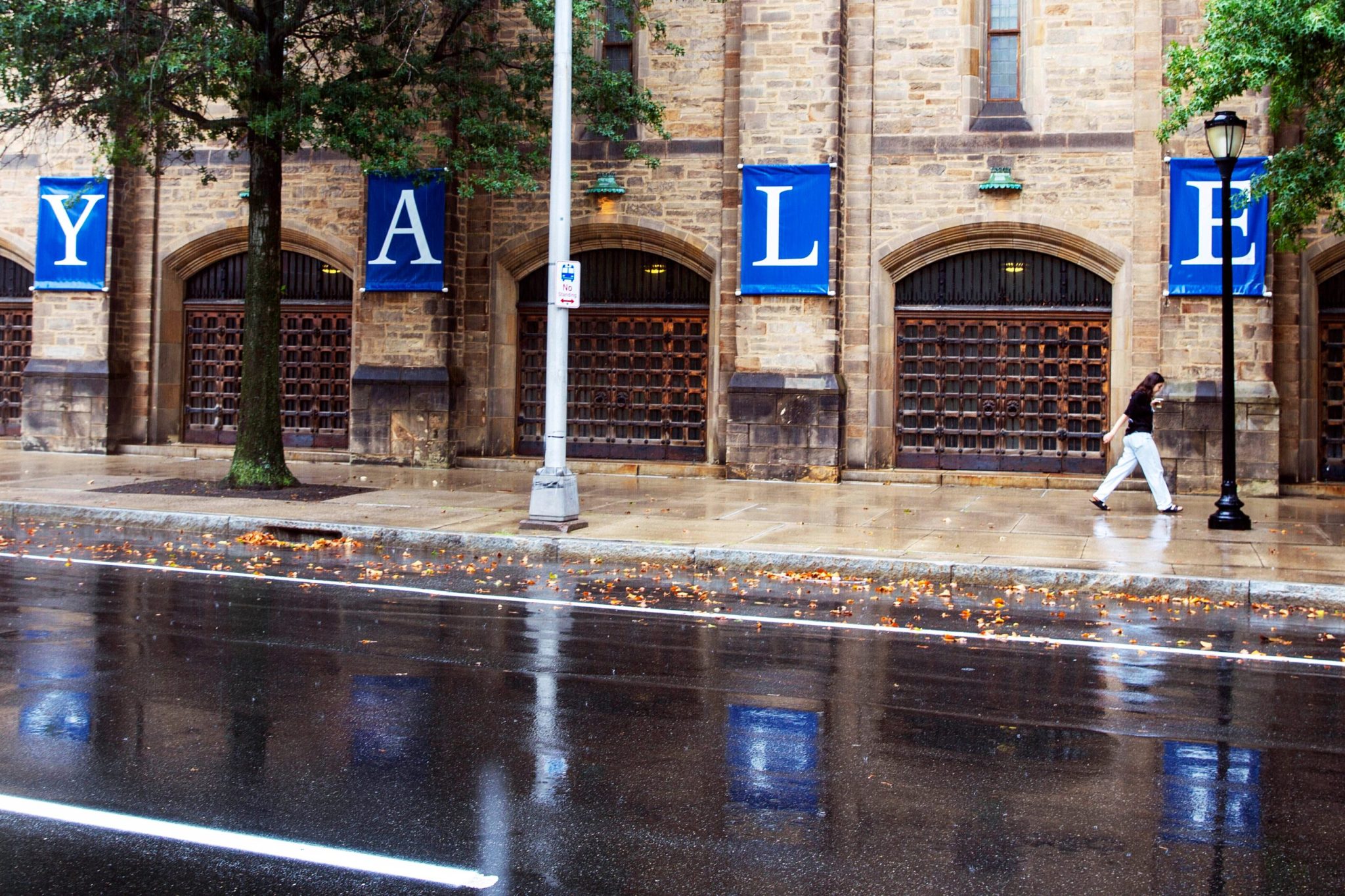
- DOJ says Yale’s medical school admissions illegally favor Black and Hispanic students
- Investigation finds lower test scores but higher admission rates for minority groups
- Justice Department calls Yale’s program a violation of Supreme Court rulings
The Justice Department on Thursday accused Yale University of illegally considering race in admissions to its medical school, marking the second time this month the federal agency has targeted an elite institution over such policies. In a letter to attorney Harmeet Dhillon, the DOJ’s assistant attorney general for civil rights, alleged that Black and Hispanic applicants had a significantly higher chance of admission than white or Asian students, even with lower grade-point averages and test scores.
DOJ cites Supreme Court rulings against race-based admissions
Harmeet Dhillon, the DOJ’s civil rights chief, stated in a letter that Yale’s admissions process violates the Supreme Court’s rulings banning race-based affirmative action in college admissions. The department concluded that Yale’s medical school admissions favored Black and Hispanic students over whites and Asians, despite their academic disadvantages. “Yale has continued its race-based admissions program despite the Supreme Court and the public’s clear mandate for reform,” Dhillon said in a statement. “This Department will continue to shed light on these illegal practices.”
The letter, sent to Dhillon’s private practice, did not specify immediate penalties but demanded Yale reform its admissions policies. The DOJ’s civil rights division has not yet filed a lawsuit against Yale, but the accusation signals escalating federal scrutiny of race-conscious admissions in higher education. Similar allegations were made this month against Brown University and Dartmouth College.
Investigation finds lower test scores but higher admission rates for minorities
A DOJ investigation reviewed Yale’s medical school admissions data from 2000 to 2020, finding that Black applicants were nearly twice as likely to be admitted as whites with similar qualifications, while Hispanic applicants were about 1.5 times more likely. Asian applicants, by contrast, faced admission rates roughly half those of white applicants with comparable academic records. The data showed that Black and Hispanic applicants were admitted at rates of 13% and 18%, respectively, compared to 7% for whites and 4% for Asians.
Yale officials have not publicly responded to the allegations but previously defended their admissions process as compliant with the law. In a 2020 statement, the university said it considered a broad range of factors beyond grades and test scores, including extracurricular activities and personal background. However, the DOJ argues that Yale’s reliance on race in admissions is unlawful under Grutter v. Bollinger, the 2003 Supreme Court decision that narrowly permitted race as a factor in admissions.
Federal crackdown targets race-based admissions in higher education
The DOJ’s accusations against Yale follow a broader federal push to dismantle race-conscious admissions policies. In August 2023, the department filed a lawsuit against Harvard University, alleging its admissions process discriminated against Asian American applicants. The lawsuit mirrored a 2018 case brought by Students for Fair Admissions against Harvard, which the Supreme Court ruled in favor of in June 2023, effectively ending race-based affirmative action in college admissions.
Legal experts say the federal government’s renewed focus on admissions policies could lead to more lawsuits against universities still using race as a factor. “The DOJ is signaling that it will aggressively pursue cases where race is a determinative factor in admissions,” said Richard Sander, a law professor at the University of California, Los Angeles. “This could force universities to overhaul their admissions processes entirely.”
What happens next for Yale and other universities
Yale has 30 days to respond to the DOJ’s allegations before the agency decides whether to take legal action. The university could face a lawsuit seeking injunctive relief or financial penalties, though such cases often take years to resolve. Other universities, including Columbia University and Cornell University, have already begun reviewing their admissions policies to avoid similar scrutiny.
The broader implications could reshape how elite institutions select students, potentially shifting focus to socioeconomic status or other non-racial factors. Advocacy groups like the American Civil Liberties Union argue that abandoning race-conscious admissions would further disadvantage underrepresented minorities. Critics, however, contend that the current system unfairly penalizes high-achieving Asian and white applicants.
The DOJ’s actions reflect a broader trend of conservative legal challenges to affirmative action policies following the Supreme Court’s 2023 ruling. Universities nationwide are now reassessing how they balance diversity goals with legal compliance, setting up potential clashes between federal authorities and higher education institutions.
What You Need to Know
- Source: Fortune
- Published: May 16, 2026 at 14:37 UTC
- Category: Business
- Topics: #fortune · #business · #economy · #science · #biology · #genetics
Read the Full Story
This is a curated summary. For the complete article, original data, quotes and full analysis:
All reporting rights belong to the respective author(s) at Fortune. GlobalBR News summarizes publicly available content to help readers discover the most relevant global news.
Curated by GlobalBR News · May 16, 2026
Related Articles
- Kevin O’Leary: Gen Z founders working 18-hour days make ‘no sense’
- Lawyers sanctioned $110K for fake AI citations in landmark Oregon case
- Taiwan arms sales top Trump-Xi talks agenda as Xi meet ends
🇧🇷 Resumo em Português
O Departamento de Justiça dos EUA (DOJ) jogou um balde de água fria sobre a política de cotas e ações afirmativas ao acusar a Universidade Yale de praticar admissões ilegais na faculdade de medicina, favorecendo candidatos negros e hispânicos em detrimento de brancos e asiáticos. A denúncia, baseada em uma investigação de dois anos, expõe um debate global sobre equidade e meritocracia no ensino superior, reacendendo tensões que já dividem opiniões até mesmo entre acadêmicos brasileiros, onde políticas similares, como as cotas raciais, ainda geram polêmica.
A acusação contra Yale não afeta diretamente o Brasil, mas serve como um espelho para refletirmos sobre os limites legais e éticos das ações afirmativas em nosso próprio sistema educacional. Por aqui, as cotas raciais e sociais nas universidades públicas, implementadas há quase duas décadas, seguem sendo contestadas judicialmente e criticadas por setores que defendem um vestibular “cego” às origens dos candidatos. O caso americano pode reforçar argumentos de quem já pede revisão dessas políticas ou, por outro lado, ser usado como exemplo de como a discriminação reversa pode sair do controle quando mal regulamentada.
Enquanto a Justiça norte-americana avança para barrar práticas consideradas ilegais em Yale, no Brasil o Supremo Tribunal Federal (STF) já declarou constitucional as cotas raciais, mas o tema segue em discussão no Congresso, com projetos que tentam expandir ou restringir sua aplicação. A decisão final sobre o caso de Yale poderá influenciar futuras batalhas jurídicas por aqui, especialmente se o argumento de “discriminação” ganhar mais força entre os críticos.
🇪🇸 Resumen en Español
El Departamento de Justicia de Estados Unidos ha acusado a la Universidad de Yale de prácticas discriminatorias en los procesos de admisión de su facultad de Medicina, donde, según la investigación, se favorece ilegalmente a candidatos negros e hispanos en detrimento de blancos y asiáticos. El informe, basado en un análisis de más de una década, revela un sistema que prioriza el origen étnico sobre el mérito académico, un hallazgo que reabre el debate sobre la equidad en la educación superior estadounidense.
La acusación subraya una contradicción en un país que, pese a su discurso oficial sobre la meritocracia, mantiene políticas de discriminación positiva que generan controversia. Para los hispanohablantes, tanto en EE.UU. como en España, el caso plantea preguntas incómodas: ¿hasta qué punto deben compensarse las desigualdades históricas y quién define los límites de esa compensación? Más allá del ámbito universitario, la polémica refleja tensiones sociales más amplias sobre identidad, igualdad de oportunidades y el papel del Estado en la redistribución de privilegios, un debate que trasciende fronteras y que afecta directamente a comunidades con raíces migratorias en ambos lados del Atlántico.
Fortune
Read full article at Fortune →This post is a curated summary. All rights belong to the original author(s) and Fortune.
Was this article helpful?


Discussion