Andean highlanders evolved superior starch digestion through genetic mutations linked to high-altitude adaptation.
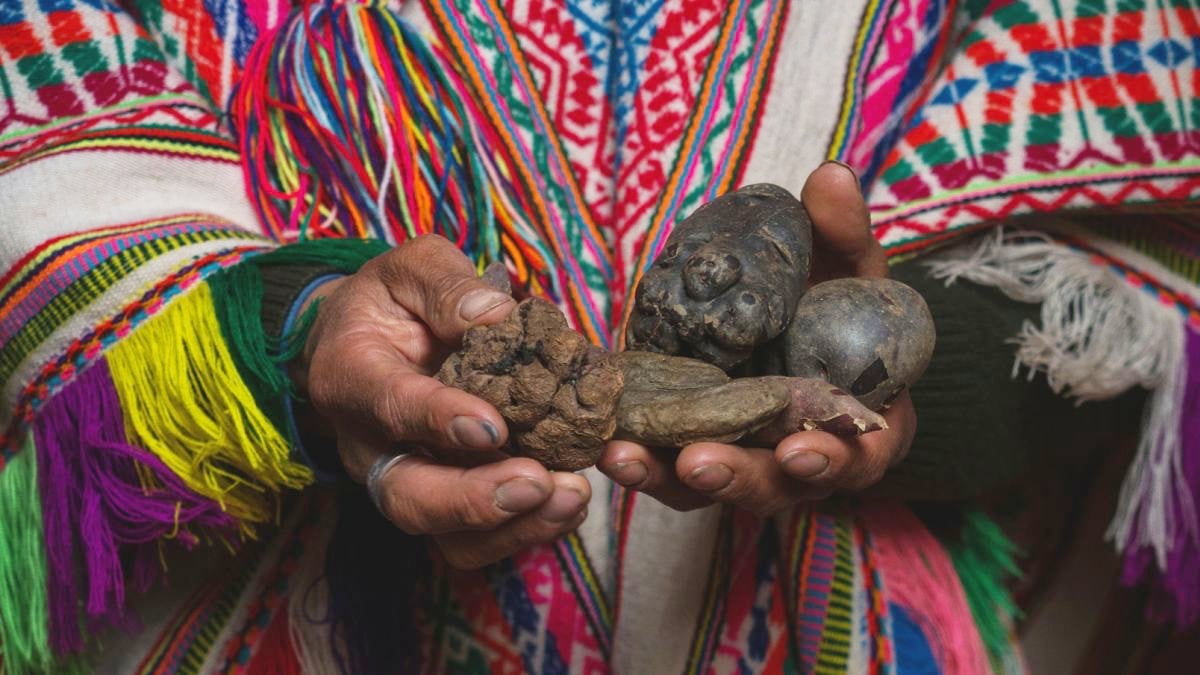
- Study finds Andean populations digest starch 30% more efficiently than lowland groups
- Genetic mutations tied to high-altitude adaptation improve starch breakdown
- Researchers analyzed DNA from 900+ Andean and lowland individuals
Indigenous Andean populations have developed a rare digestive adaptation that allows their bodies to process starchy foods more efficiently than people living at lower altitudes. Published in the journal Proceedings of the Royal Society B, a new genetic study reveals how high-altitude living has shaped human evolution in unexpected ways. Researchers analyzed DNA from over 900 individuals, comparing genetic variations between Andean highlanders and lowland populations from Peru, Bolivia, and Argentina.
Genetic Mutations Boost Starch Digestion
The study identified specific genetic mutations in Andean populations that enhance the production of amylase, an enzyme critical for breaking down starch. These mutations are linked to the AMY1 gene, which has been shown to vary in copy number across different populations. Highlanders possess more copies of this gene, resulting in higher amylase levels and more efficient starch digestion. The adaptation appears to have emerged within the last 10,000 years, coinciding with the domestication of potatoes and other starchy crops in the region.
The research team, led by Dr. Nathaniel Dominy of Dartmouth College, suggests that this evolutionary advantage may have provided a survival benefit in the harsh Andean environment. High-altitude living requires more energy, and starchy foods like potatoes, quinoa, and maize are dietary staples. The ability to extract more calories from these foods could have been crucial for survival in oxygen-depleted conditions.
Comparative Analysis with Global Populations
The study is the first to directly compare starch digestion efficiency between highland and lowland groups. Previous research had hinted at digestive differences but did not pinpoint the genetic basis. By testing saliva samples from participants, the researchers measured amylase activity and correlated it with genetic data. Highlanders consistently showed higher amylase levels and faster starch breakdown compared to their lowland counterparts.
This adaptation is not the first genetic change documented in Andean populations. Previous studies have highlighted mutations related to hemoglobin production, which helps combat altitude-induced hypoxia. The new findings add to a growing body of evidence that the Andes have been a hotspot for human evolutionary innovation. Other high-altitude populations, such as those in the Tibetan Plateau and Ethiopian highlands, have also developed unique genetic adaptations, though their mechanisms differ from those in the Andes.
Broader Implications for Human Evolution
The discovery challenges the assumption that human digestive adaptations are primarily driven by diet alone. While dietary staples like corn and potatoes played a role, the study suggests that environmental factors such as altitude also shape digestive evolution. This research could inform broader discussions about how human populations adapt to extreme environments, from Arctic conditions to desert climates.
Future studies may explore whether other high-altitude groups share similar adaptations or if the Andean example is unique. The findings also raise questions about how these genetic traits might influence modern dietary health, particularly as global populations face increasing rates of obesity and metabolic disorders linked to starch consumption. The study underscores the importance of understanding human genetic diversity in addressing health challenges worldwide.
Researchers plan to expand their work by studying additional Andean communities and comparing their genetic adaptations to those of other high-altitude groups. The goal is to build a more comprehensive picture of how humans have evolved to thrive in extreme environments.
What You Need to Know
- Source: ScienceAlert
- Published: May 16, 2026 at 12:00 UTC
- Category: Science
- Topics: #science · #biology · #chemistry · #genetics · #humans · #evolved
Read the Full Story
This is a curated summary. For the complete article, original data, quotes and full analysis:
All reporting rights belong to the respective author(s) at ScienceAlert. GlobalBR News summarizes publicly available content to help readers discover the most relevant global news.
Curated by GlobalBR News · May 16, 2026
Related Articles
- 5 Ways to Vet Social Media Health Advice Before Trying It
- PCOS renamed to PMOS after decades of misdiagnosis confusion
🇧🇷 Resumo em Português
Pesquisadores descobriram que populações que vivem há milênios nos Andes desenvolveram uma incrível adaptação genética: uma supercapacidade digestiva para processar amidos de forma mais eficiente do que pessoas em altitudes mais baixas. O estudo, publicado recentemente na revista Nature, revela que essa mutação não só facilitou a sobrevivência em ambientes hostis, mas também pode oferecer pistas valiosas para a medicina moderna, especialmente em casos de resistência à insulina.
A pesquisa analisou o DNA de habitantes da região andina, comparando-os com grupos de terras baixas, e identificou alterações significativas no gene AMY1, responsável pela produção da enzima amilase, que quebra carboidratos. Para o Brasil, país com grande diversidade étnica e regiões de grande altitude, como os planaltos do Sul, esse achado reforça a importância de estudos sobre adaptações genéticas locais. Além disso, pode inspirar novas abordagens no tratamento de doenças metabólicas, como diabetes, que afetam milhões de brasileiros.
Agora, os cientistas buscam entender se outras populações ao redor do mundo desenvolveram adaptações semelhantes e como isso poderia ser aplicado em dietas personalizadas ou terapias genéticas.
🇪🇸 Resumen en Español
Un grupo de científicos ha descubierto que los habitantes de los Andes han desarrollado, a lo largo de generaciones, una capacidad digestiva única que les permite procesar con mayor eficiencia los alimentos ricos en almidón, un hallazgo que arroja luz sobre cómo la evolución moldea al ser humano.
La investigación, publicada en la revista PNAS, analizó el genoma de poblaciones andinas y comparó su ADN con el de habitantes de regiones bajas, revelando mutaciones específicas en genes relacionados con la digestión, como el AMY1, que codifica la enzima amilasa. Esta adaptación no solo responde a la dieta tradicional de estos pueblos —basada en tubérculos como la papa— sino también a las duras condiciones de vida en la altura, donde la escasez de oxígeno y la actividad física intensa exigen un mayor aprovechamiento energético. Para los hispanohablantes, este estudio subraya cómo la genética y el entorno pueden forjar diferencias biológicas incluso dentro de una misma especie, además de recordar la riqueza cultural y biológica de las comunidades indígenas latinoamericanas, cuyos conocimientos ancestrales siguen aportando claves para la ciencia moderna.
ScienceAlert
Read full article at ScienceAlert →This post is a curated summary. All rights belong to the original author(s) and ScienceAlert.
Was this article helpful?


Discussion