Conservation efforts since 2013 helped the Kentish milkwort rebound seven-fold from near extinction.
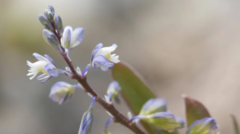
- Conservation efforts since 2013 increased Kentish milkwort population seven-fold
- The plant was nearly extinct before targeted habitat protection
- Kentish milkwort now thrives in southern England’s protected wildflower sites
The Kentish milkwort Pentaglottis sempervirens, a delicate blue wildflower native to southern England, has made a dramatic recovery after nearly disappearing from the wild. Conservationists report a seven-fold increase in its population since 2013, when targeted protection efforts began. Once found in just a handful of locations, the plant now grows in dozens of protected sites across Kent and Sussex.
The rebound follows a decade of coordinated action by botanists, landowners and government agencies. Key steps included seed banking, habitat restoration and controlled grazing to prevent overgrowth. Experts credit the success to partnerships between groups like Plantlife and Natural England, which identified critical threats such as invasive plants and agricultural intensification.
Why the Kentish milkwort nearly vanished
The Kentish milkwort’s decline mirrored broader trends in Britain’s wildflower populations, which have shrunk by over 90% since the 1930s. Habitat loss, urban sprawl and nitrogen pollution from farming reduced its range to a few isolated patches by the early 2000s. Botanists warned that without intervention, the species could vanish within decades.
Surveys in 2012 confirmed fewer than 500 plants remained in the wild. Conservationists launched an emergency recovery plan the following year, focusing on seed collection, soil restoration and legal protections for known sites. The effort expanded in 2015 when the plant was added to England’s Priority Species list, granting it legal safeguards against development and land-use changes.
How conservationists turned the tide
The most critical breakthrough came from seed banking, where scientists collected and stored genetic material from surviving plants. This allowed them to reintroduce the species to weakened habitats and boost genetic diversity. In one project, seeds from just 12 plants were used to restore populations across five new sites.
Landowners played a key role by altering farming practices. Many switched from intensive grazing to managed cattle rotations, which allowed the milkwort to compete with grasses. Others removed invasive species like bracken, which had crowded out native wildflowers. Public awareness campaigns also helped, with ramblers and gardeners reporting new sightings to conservation groups.
What’s next for the Kentish milkwort?
While the rebound is encouraging, scientists caution that the species remains vulnerable. Climate change threatens its delicate growing conditions, and experts are exploring assisted migration to cooler habitats. The next phase of work includes genetic studies to track the health of restored populations and expanding monitoring to new regions.
For now, conservationists are celebrating the milkwort’s recovery as proof that targeted efforts can save even the rarest species. They hope the model will inspire similar projects for Britain’s other endangered wildflowers, including the early spider orchid and the fen orchid.
The success also highlights the role of public participation. Volunteers contribute thousands of hours each year, from seed collecting to habitat surveys. Without their work, many wildflowers would have disappeared before scientists even noticed their decline.
What You Need to Know
- Source: BBC News
- Published: May 16, 2026 at 06:18 UTC
- Category: Environment
- Topics: #bbc · #environment · #climate · #rare · #kentish-milkwort · #conservation-efforts-2013
Read the Full Story
This is a curated summary. For the complete article, original data, quotes and full analysis:
All reporting rights belong to the respective author(s) at BBC News. GlobalBR News summarizes publicly available content to help readers discover the most relevant global news.
Curated by GlobalBR News · May 16, 2026
🇧🇷 Resumo em Português
O florescer inesperado de uma pequena planta no sul da Inglaterra está dando um sopro de esperança para a conservação da biodiversidade não apenas no Reino Unido, mas também no Brasil, onde a perda de espécies nativas se agrava ano após ano. A Kentish milkwort (Polygala amara), uma espécie rara de flor silvestre, registrou um incrível crescimento de 700% desde que projetos de proteção começaram em 2013, provando que ações direcionadas podem reverter o declínio de espécies à beira da extinção.
No Brasil, onde o desmatamento e as mudanças climáticas ameaçam centenas de espécies — como a sempre-viva do cerrado ou o mico-leão-dourado da Mata Atlântica —, o sucesso britânico serve como alerta e inspiração. A recuperação da Kentish milkwort foi possível graças a uma combinação de restauração de habitats, controle de espécies invasoras e engajamento comunitário, métodos que poderiam ser adaptados para ecossistemas tropicais. Especialistas brasileiros já discutem a aplicação dessas estratégias em áreas críticas, como a Amazônia e o Pantanal, onde a pressão sobre a fauna e flora é cada vez maior.
A lição é clara: investir em conservação não é um gasto, mas um legado, e o Brasil, detentor da maior biodiversidade do planeta, tem tudo a ganhar ao seguir esse exemplo.
BBC News
Read full article at BBC News →This post is a curated summary. All rights belong to the original author(s) and BBC News.
Was this article helpful?



Discussion