Zinc Nacional will move its dirtiest recycling work after US waste was found poisoning Mexican neighborhoods.
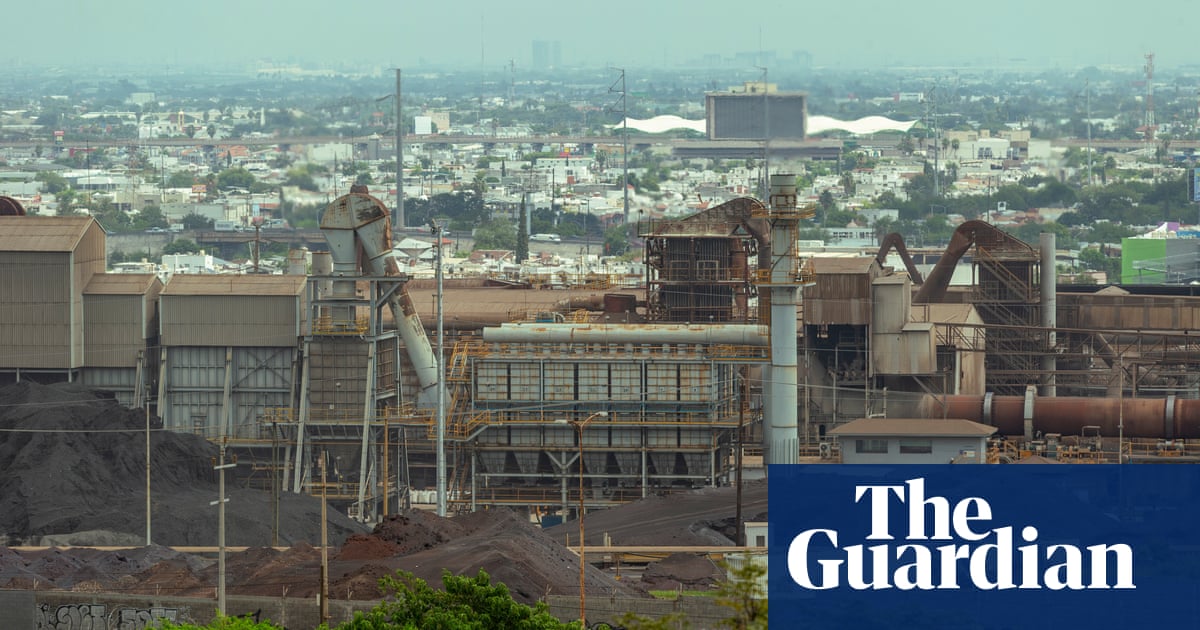
- Zinc Nacional admits its Monterrey plant’s toxic recycling harms locals
- Investigation found heavy metals like lead and zinc in surrounding areas
- The plant recycles toxic steel dust sent from US steelmakers
📰 Continuing coverage: Mexico slaps $4.8m fine on toxic waste plant after Guardian probe
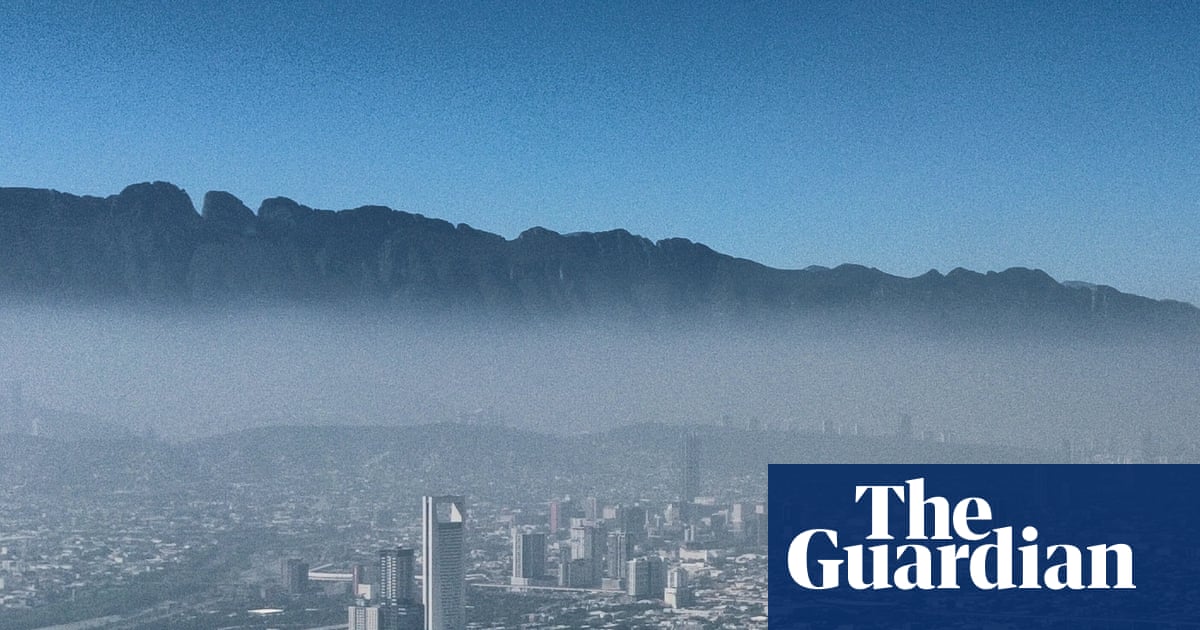
A major Mexican manufacturer agreed to relocate what authorities called its most polluting operations after an investigation exposed heavy-metals pollution in neighborhoods near its plant in Monterrey. Zinc Nacional, a company that recovers zinc from recycled steel dust, confirmed it will move the most hazardous parts of its recycling process after reporting by The Guardian and Mexico’s Quinto Elemento Lab revealed pollution in surrounding communities. The factory processes toxic steel dust sent from US steel plants, turning it into reusable zinc while leaving behind hazardous byproducts that local residents say have poisoned their air and water for years. Mexican environmental regulators had previously flagged the plant for violations, but the investigation linked specific pollution spikes to Zinc Nacional’s operations, including elevated levels of lead, arsenic, and zinc in soil and water samples taken near homes and schools just a few hundred yards from the factory gates. Residents told reporters they’d long suffered from rashes, respiratory problems, and miscarriages they attribute to the plant’s emissions, which often turned the sky a sickly orange at dusk when winds blew toward nearby neighborhoods. The company issued a statement calling the relocation a ‘responsible step’ and promised to clean up contamination at the current site, but didn’t set a firm deadline for the move. Environmental groups criticized the delay, noting that similar promises have been made—and broken—before in Mexico’s poorly enforced industrial sector. They’re pushing for the plant to shut down entirely until safer alternatives are in place. The investigation also exposed how easy it is for US companies to export hazardous waste to Mexico, where environmental oversight is often weaker and penalties for violations rarely stick. Records showed that in 2022 alone, US steelmakers sent over 100,000 tons of toxic steel dust to Mexican recyclers like Zinc Nacional, a practice critics say exploits loopholes in both countries’ waste laws. The US Environmental Protection Agency allows steel dust containing heavy metals to be classified as non-hazardous if it meets certain recycling thresholds, even though the dust can still release toxins when processed. Mexico’s government has pledged to tighten rules on hazardous waste imports, but activists say enforcement remains inconsistent. For now, the Monterrey plant’s neighbors are organizing to demand compensation and a full environmental audit before any new operations start up. They want guarantees that the ‘relocation’ won’t just mean moving the pollution elsewhere in the city.
What You Need to Know
- Source: The Guardian
- Published: May 17, 2026 at 16:21 UTC
- Category: Environment
- Topics: #guardian · #climate · #environment · #mexico · #zinc-nacional · #revealed
Read the Full Story
This is a curated summary. For the complete article, original data, quotes and full analysis:
All reporting rights belong to the respective author(s) at The Guardian. GlobalBR News summarizes publicly available content to help readers discover the most relevant global news.
Curated by GlobalBR News · May 17, 2026
Related Articles
🇧🇷 Resumo em Português
O México anuncia a transferência de uma fábrica de zinco que importava resíduos tóxicos dos Estados Unidos após denúncias de contaminação por metais pesados, reveladas em uma investigação do The Guardian. O caso expôs como empresas buscam países com regulações ambientais mais frágeis para descartar lixo industrial perigoso, colocando em risco comunidades locais e ecossistemas.
A decisão da Zinc Nacional, que opera no estado de Nuevo León, reflete um problema global crescente: a exportação de resíduos perigosos de nações desenvolvidas para nações com menos fiscalização. No Brasil, onde a importação de lixo estrangeiro também é alvo de polêmicas — como no caso de resíduos plásticos recentemente barrados — o episódio serve de alerta. Especialistas destacam a necessidade de fortalecer acordos internacionais, como a Convenção de Basileia, e de pressionar por políticas mais rígidas no país, evitando que o Brasil se torne um destino para a sujeira de outros.
Enquanto a Zinc Nacional promete realocar suas operações, a sociedade civil deve cobrar transparência nos novos locais de instalação e exigir que o México — e outros países — adotem medidas eficazes para coibir a transferência irresponsável de poluição.
The Guardian
Read full article at The Guardian →This post is a curated summary. All rights belong to the original author(s) and The Guardian.
Was this article helpful?

Discussion