US weighs indicting Raúl Castro to pressure Cuba amid fuel shortages matching 2020 Maduro arrest.
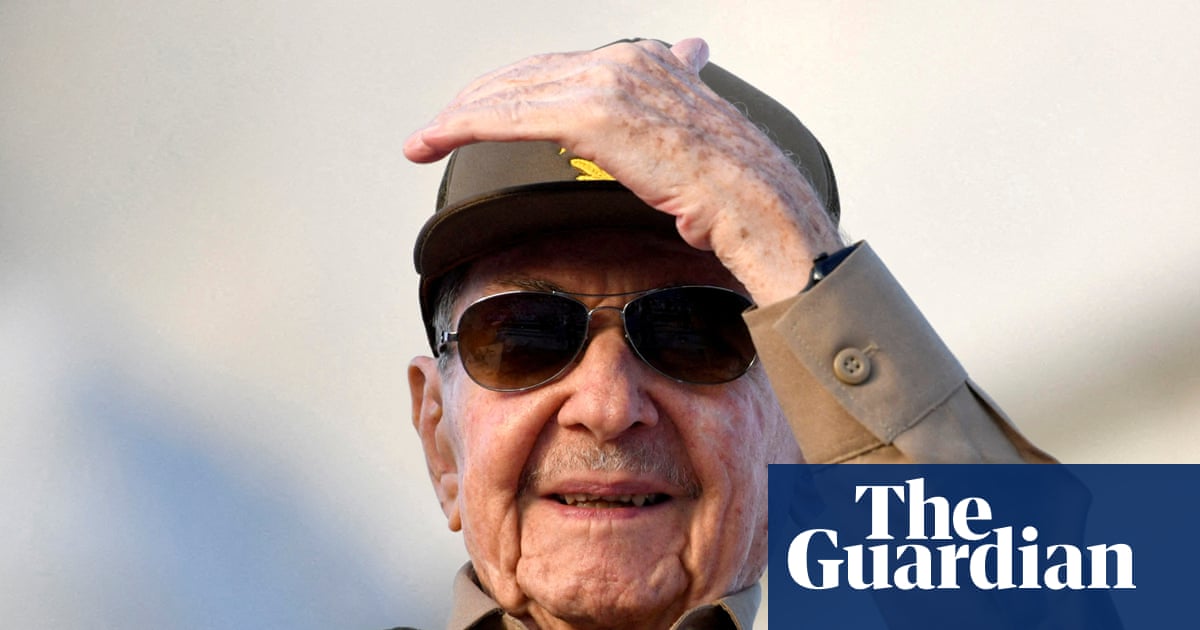
- US considers indicting Cuba’s Raúl Castro, 94, amid fuel shortages
- Move mirrors 2020 arrest of Venezuela’s Maduro by US agents
- Castro remains powerful figure despite stepping down in 2018
📰 Continuing coverage: US Justice Department preparing indictment against Raúl Castro
The Trump administration is considering indicting former Cuban President Raúl Castro, the brother of late leader Fidel Castro, as fuel shortages deepen Cuba’s economic crisis. Reports indicate Washington may pursue charges similar to those that led to the 2020 abduction of Venezuela’s Nicolás Maduro in a surprise Caracas operation.
Cuba’s leadership under pressure
Raúl Castro, now 94, remains a powerful figure in Cuban politics despite officially retiring in 2018. His leadership during his brother Fidel’s 2016 death solidified his influence, though his current role is largely ceremonial. The potential indictment signals a new phase of US pressure on Havana’s communist government, which has struggled with fuel imports and economic instability.
Cuba has faced severe fuel shortages in recent months, exacerbating blackouts and transportation disruptions. The crisis stems from declining oil shipments from ally Venezuela and US sanctions tightening under the Trump administration. Analysts warn the shortages could trigger further unrest in a nation already grappling with food and medicine deficits.
US strategy echoes 2020 Maduro arrest
The reported move against Castro mirrors the 2020 US operation in Venezuela, where agents abducted Maduro from a Caracas restaurant. That arrest was part of a broader campaign targeting Latin American leaders accused of drug trafficking and corruption. The Trump administration has repeatedly accused Cuba of supporting Maduro’s regime and harboring fugitives.
Washington’s potential indictment of Castro could escalate tensions to levels not seen since the Cold War. Cuba has long denied US allegations of harboring fugitives or aiding Maduro’s government, calling such claims political maneuvering. The island nation’s foreign ministry did not immediately respond to requests for comment.
Impact on US-Cuba relations
Bilateral relations have deteriorated under Trump, reversing Obama-era thawing efforts. The administration has rolled back diplomatic ties, tightened travel restrictions, and increased sanctions. The potential indictment of Castro, even if symbolic, could further strain already fragile communications between the two nations.
Analysts suggest the move may aim to destabilize Cuba’s leadership ahead of November’s US election. The administration has framed its Cuba policy as countering communist influence in the hemisphere, though critics argue the strategy risks worsening humanitarian conditions on the island. The fuel crisis has already triggered protests in Cuba, with residents demanding government action.
Experts warn the indictment could trigger retaliatory measures from Havana, including expulsions of US diplomats or increased restrictions on American businesses. The situation remains fluid as Washington weighs its next steps amid a rapidly evolving regional landscape.
What You Need to Know
- Source: The Guardian
- Published: May 15, 2026 at 17:31 UTC
- Category: World
- Topics: #guardian · #world-news · #international · #politics · #government · #threatened
Read the Full Story
This is a curated summary. For the complete article, original data, quotes and full analysis:
All reporting rights belong to the respective author(s) at The Guardian. GlobalBR News summarizes publicly available content to help readers discover the most relevant global news.
Curated by GlobalBR News · May 15, 2026
Related Articles
- Zimbabwe’s diaspora reshapes real estate and farming investment trends
- 🎉 250 Articles in World!
- Eurovision 2024 faces scrutiny over Israel’s participation amid war
🇧🇷 Resumo em Português
O governo dos Estados Unidos estuda apresentar uma acusação formal contra o ex-presidente cubano Raúl Castro, em meio à pior crise de combustível na ilha em décadas, agravada após a prisão do venezuelano Nicolás Maduro em 2020 por suposto envolvimento no tráfico de drogas. A motivação da medida seria o suposto papel de Castro no fornecimento de abrigo a Maduro e em supostas transações ilícitas que teriam prejudicado a estabilidade regional, segundo fontes próximas ao Departamento de Justiça americano.
Para o Brasil e os países de língua portuguesa, a notícia reforça a escalada de tensões no hemisfério ocidental, especialmente em um momento em que a América Latina enfrenta pressões geopolíticas crescentes. A possível acusação contra um ex-chefe de Estado de Cuba — aliado histórico do regime venezuelano — sinaliza uma estratégia mais agressiva dos EUA contra governos alinhados a regimes considerados adversários, o que pode ter reflexos diretos na política externa brasileira, tradicionalmente cautelosa em relação a intervenções externas em Cuba ou Venezuela. Além disso, a crise de combustível em Cuba já afeta a relação comercial com o Brasil, que é um dos principais fornecedores de alimentos e medicamentos à ilha.
A decisão final sobre a acusação deve ser anunciada em breve, o que pode redefinir as relações entre Washington, Havana e Caracas e influenciar ainda mais os equilíbrios políticos na região.
🇪🇸 Resumen en Español
El gobierno de Estados Unidos estudia presentar cargos contra el exmandatario cubano Raúl Castro por su presunta implicación en la grave crisis de combustible que asola la isla, agravada tras la caída en desgracia de Nicolás Maduro en 2020. La medida refleja el endurecimiento de la política de Washington hacia La Habana, con la Administración Trump al frente, que intensifica su presión sobre el régimen castrista en un contexto de colapso económico y protestas sociales sin precedentes.
La posible imputación no solo busca debilitar aún más a la familia Castro, sino que también envía un mensaje claro sobre la tolerancia cero de EE.UU. hacia los vínculos energéticos entre Cuba y Venezuela, clave para sostener al gobierno de Díaz-Canel. Para los hispanohablantes, especialmente en un contexto de creciente migración cubana hacia España y otros países, este episodio subraya la fragilidad de un sistema que, tras décadas de subsidios venezolanos, se desmorona sin un horizonte claro de solución, dejando a la población al borde del colapso social.
The Guardian
Read full article at The Guardian →This post is a curated summary. All rights belong to the original author(s) and The Guardian.
Was this article helpful?


Discussion