UK Reformer Pilates studios increased by 900% in a year, prompting health experts to push for regulation.
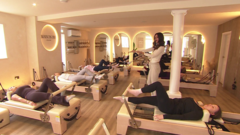
- Reformer Pilates studios in the UK rose 900% from 2024 to 2025
- Health professionals urge formal regulation for safety and standards
- Untrained instructors and inconsistent quality raise concerns
Reformer Pilates studios in the UK surged 900% in a year, jumping from fewer than 100 to nearly 900 locations between 2024 and 2025, according to industry data. The explosion in growth reflects surging demand for the low-impact, high-intensity workout, which combines strength training with controlled movement. However, the rapid expansion has outpaced oversight, with no formal regulations governing instructor qualifications or studio safety standards in place across the UK.
Safety concerns drive demand for regulation
Health professionals and fitness experts now warn that the lack of regulation poses risks to participants. A survey by the Chartered Institute for the Management of Sport and Physical Activity found that nearly 40% of Reformer Pilates instructors had no accredited certification. Reports of injuries, including muscle strains and joint stress, have prompted calls for mandatory training standards and facility inspections.
Reformer Pilates differs from traditional mat-based Pilates by using a spring-resistant reformer machine. The equipment intensifies workouts but requires proper technique to avoid injury. Critics argue that untrained instructors may overlook biomechanical risks, particularly for beginners or those with pre-existing conditions. The Pilates Foundation has stressed the importance of proper form, noting that poor instruction can lead to long-term harm.
Industry split over proposed changes
The Register of Exercise Professionals has proposed a voluntary certification scheme for Reformer Pilates instructors, but uptake remains low among studios. Some industry leaders resist regulation, arguing it could stifle growth and increase costs for small businesses. Others, including major studio chains, support mandatory standards to protect consumers and maintain credibility.
The government has not yet indicated plans to introduce formal legislation, but the Department for Health and Social Care confirmed it is reviewing fitness industry oversight. A spokesperson said safety remained a priority but did not commit to specific action. Meanwhile, consumer watchdogs have logged complaints about misleading marketing and hidden fees at some studios.
Who benefits from the boom?
The financial gains from the Reformer Pilates surge have been uneven. Large chains with multiple locations have dominated the market, securing funding from investors eager to capitalize on the trend. Smaller studios, often run by independent instructors, struggle to compete with lower prices and aggressive marketing from corporate-backed rivals. Some franchise operators have expanded aggressively, opening dozens of locations in major cities like London and Manchester.
Reformer Pilates classes typically cost between £20 and £35 per session in the UK, with membership packages offering discounts for bulk bookings. The high price point has drawn criticism from fitness analysts who question whether the premium reflects actual value or inflated demand. Critics also note that many studios operate in shared spaces, raising concerns about noise levels and equipment maintenance.
What happens next?
The debate over regulation is likely to intensify as the industry grows. The British Pilates Association has called for a unified approach, urging studios to adopt minimum standards voluntarily. Legal experts suggest that without government intervention, liability risks for injuries could increase, potentially leading to lawsuits against unqualified instructors.
For consumers, the lack of oversight means extra caution is advised. Experts recommend checking instructor credentials, reviewing studio reviews, and consulting a healthcare provider before starting Reformer Pilates, especially for those with injuries or chronic conditions. The surge in popularity shows no signs of slowing, making clarity on safety and quality a growing priority for the industry.
What You Need to Know
- Source: BBC News
- Published: May 04, 2026 at 06:15 UTC
- Category: Health
- Topics: #bbc · #health · #medicine · #calls · #reformer-pilates · #reformer-pilates-regulation-uk
Read the Full Story
This is a curated summary. For the complete article, original data, quotes and full analysis:
All reporting rights belong to the respective author(s) at BBC News. GlobalBR News summarizes publicly available content to help readers discover the most relevant global news.
Curated by GlobalBR News · May 04, 2026
Related Articles
- Midlife fitness boosts lifespan and health by 5+ years study finds
- Why ‘Ballmaxxing’ May Be More Dangerous Than You Think
- Weight Loss Surgeries Decline as GLP-1 Use Skyrockets. Why This Matters
🇧🇷 Resumo em Português
Pilates com equipamentos em alta no Reino Unido levanta alerta: falta de regulação preocupa profissionais da saúde
O boom dos estúdios de Reformer Pilates no Reino Unido, com crescimento de 900% em apenas um ano, acendeu um sinal vermelho entre especialistas da área da saúde. A explosão na procura por aulas que usam equipamentos como o reformer — uma estrutura com molas e polias — trouxe à tona a ausência de regulamentação rigorosa no setor, colocando em risco não só a qualidade dos serviços, mas também a segurança dos praticantes.
No Brasil, onde a prática já faz sucesso entre celebridades e entusiastas do bem-estar, a discussão ganha relevância diante do crescente número de academias e estúdios que oferecem o método sem a devida fiscalização profissional. Enquanto fisioterapeutas e educadores físicos defendem a necessidade de padronização — incluindo a formação obrigatória de instrutores e a certificação de equipamentos —, o país ainda carece de leis específicas que garantam a eficácia e a segurança dessas atividades. A falta de regulamentação pode expor praticantes a lesões ou resultados abaixo do esperado, especialmente entre aqueles que buscam o método para reabilitação ou tratamento de dores crônicas.
Agora, a expectativa é que órgãos como o Conselho Federal de Fisioterapia (COFFITO) e entidades de educação física avaliem a adoção de normas semelhantes às de países como Austrália e Canadá, onde o Reformer Pilates é reconhecido como um método terapêutico e desportivo com controle rigoroso.
🇪🇸 Resumen en Español
El auge de los estudios de Reformer Pilates en el Reino Unido, con un crecimiento del 900% en solo un año, ha disparado las alarmas entre los expertos, que exigen regulaciones más estrictas para garantizar la seguridad y calidad del servicio. La popularidad de esta disciplina, impulsada por las redes sociales y la búsqueda de bienestar físico, ha multiplicado los centros sin un control que certifique la formación de los instructores ni los protocolos sanitarios.
La falta de regulación en esta industria, que en España también ha experimentado un notable aumento de seguidores, plantea riesgos para los usuarios: desde lesiones por una técnica inadecuada hasta problemas derivados de instalaciones no adaptadas. Ante este escenario, los profesionales del sector reclaman estándares comunes que protejan a los practicantes, especialmente en un mercado donde la oferta crece sin un marco legal que respalde su profesionalidad.
BBC News
Read full article at BBC News →This post is a curated summary. All rights belong to the original author(s) and BBC News.
Was this article helpful?



Discussion