German Chancellor Friedrich Merz says he would not advise his children to study or work in the US because of its polarizing society.
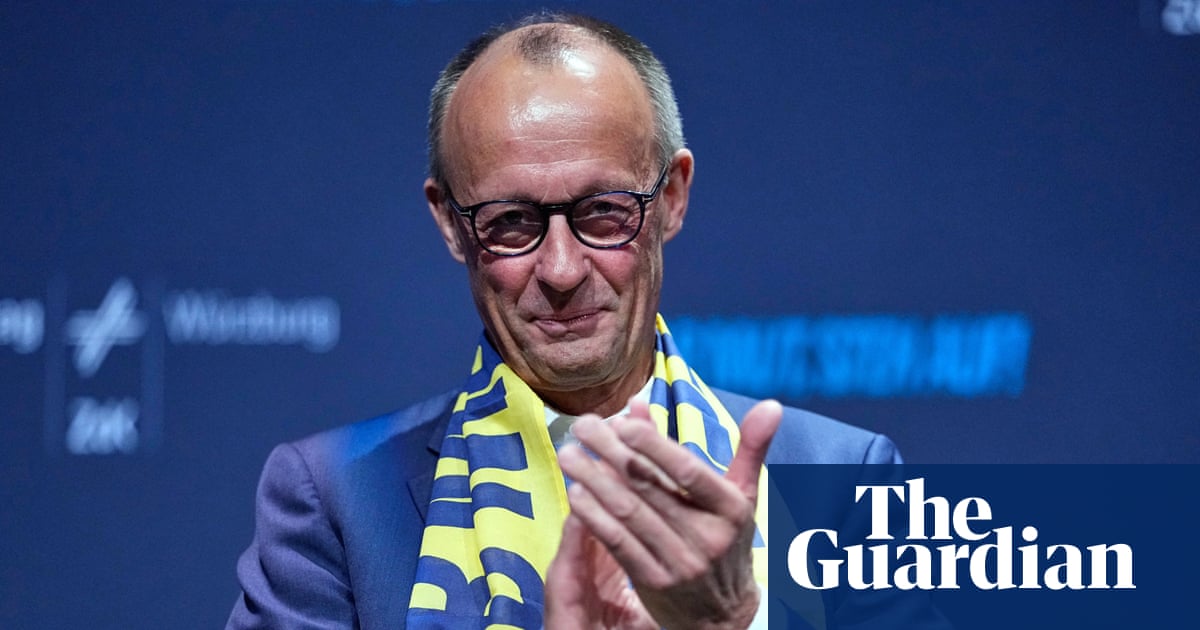
- Merz says US social climate is deeply polarizing
- Chancellor states he would not advise his children to study or work in the US
- Remarks made during speech to young Catholics in Würzburg
German Chancellor Friedrich Merz has broken from his traditionally pro-American stance, stating he would not recommend his children pursue education or careers in the United States. Speaking to young Catholics in Würzburg on Wednesday, Merz described the US social climate as “deeply polarizing,” signaling a significant shift in how Germany views its transatlantic partner.
The remarks come amid escalating tensions between Germany and the US, particularly over foreign policy. Merz, a conservative leader often seen as a transatlanticist, has been at odds with former US President Donald Trump over issues such as the Iran conflict. His comments suggest growing skepticism about the US as a destination for opportunity, even among its traditional allies.
Merz’s shift in stance on the US
Merz, who has long been a vocal advocate for strong US-German relations, has now publicly questioned whether the US remains a viable place for young Germans to build their futures. At the Catholic conference, he emphasized the challenges posed by the country’s social divisions, which he argued are deterring stability and opportunity. His remarks reflect broader concerns in Europe about the direction of US politics and society.
The US has long been a top destination for European students and professionals seeking education, careers, and cultural exchange. However, recent years have seen a decline in its appeal due to political instability, gun violence, and social unrest. Merz’s comments amplify these concerns, suggesting that even staunch allies are reconsidering the US as a land of opportunity.
Reactions and implications
Merz’s statements have drawn attention from analysts and policymakers, who see them as a sign of eroding confidence in the US among its allies. While the US remains a key partner for Germany on security and economic issues, Merz’s remarks highlight growing unease over its domestic divisions. Some critics argue that his comments may reflect broader frustration with US leadership under Trump and the political fallout from recent elections.
The German chancellor’s stance also raises questions about the future of transatlantic relations. If other European leaders adopt a similar view, it could weaken cultural and educational ties between the US and Europe. Universities and businesses in the US may also face challenges in attracting international talent if perceptions of instability persist.
The US Embassy in Berlin has not yet responded to Merz’s comments. However, the remarks are likely to fuel discussions about the state of democracy and social cohesion in the United States, both domestically and abroad. Merz’s shift in tone suggests that even long-standing alliances are being tested by the realities of modern American society.
What You Need to Know
- Source: The Guardian
- Published: May 15, 2026 at 16:38 UTC
- Category: World
- Topics: #guardian · #world-news · #international · #war · #conflict · #german
Read the Full Story
This is a curated summary. For the complete article, original data, quotes and full analysis:
All reporting rights belong to the respective author(s) at The Guardian. GlobalBR News summarizes publicly available content to help readers discover the most relevant global news.
Curated by GlobalBR News · May 15, 2026
Related Articles
- US proposes 40% cut in Colorado River water for 3 states amid drought
- Trump urges Taiwan to avoid independence amid rising China tensions
- Xi gives Trump private tour of secret garden in Beijing
🇧🇷 Resumo em Português
O chanceler alemão, Friedrich Merz, chocou o mundo ao declarar que não recomendaria aos filhos estudar ou trabalhar nos Estados Unidos, citando o clima social cada vez mais polarizado do país como motivo. Em uma entrevista recente, Merz, um dos líderes europeus mais influentes, não poupou críticas ao ambiente tóxico que, segundo ele, afeta até mesmo a segurança pessoal, levantando questionamentos sobre o futuro da nação norte-americana como potência global estável.
A fala de Merz reflete não apenas uma preocupação pessoal, mas uma tendência crescente entre líderes europeus que avaliam os riscos de enviar jovens para um país onde debates políticos violentos, leis restritivas e divisões sociais profundas se tornaram rotina. Para o Brasil, que mantém laços estratégicos com os EUA — seja no comércio, tecnologia ou segurança —, a declaração serve como um alerta sobre os riscos de depender demais de um parceiro cujas instituições parecem cada vez mais frágeis. Além disso, o discurso reforça a discussão sobre a necessidade de diversificar alianças, especialmente em um cenário onde a América Latina busca maior autonomia frente à polarização global.
Se as palavras de Merz se concretizarem em ações — como mudanças nas políticas de vistos ou bolsas de estudo —, o impacto pode atingir desde estudantes brasileiros até empresas que dependem do intercâmbio com os EUA, acelerando uma possível reconfiguração das relações internacionais nos próximos anos.
🇪🇸 Resumen en Español
El canciller alemán, Friedrich Merz, ha sorprendido al mundo al desaconsejar a sus hijos estudiar o trabajar en Estados Unidos, alertando sobre el clima social polarizado del país.
En un momento de tensiones geopolíticas y divisiones internas en EE.UU., las declaraciones de Merz reflejan la creciente preocupación en Europa por la inestabilidad social estadounidense, especialmente en un contexto de auge del extremismo y polarización política. Para los hispanohablantes, este mensaje subraya los riesgos de un modelo de convivencia que, aunque atractivo en lo económico, parece cada vez más frágil en lo social, invitando a reflexionar sobre el futuro de la democracia liberal y la atracción de talento hacia potencias en declive relativo.
The Guardian
Read full article at The Guardian →This post is a curated summary. All rights belong to the original author(s) and The Guardian.
Was this article helpful?


Discussion